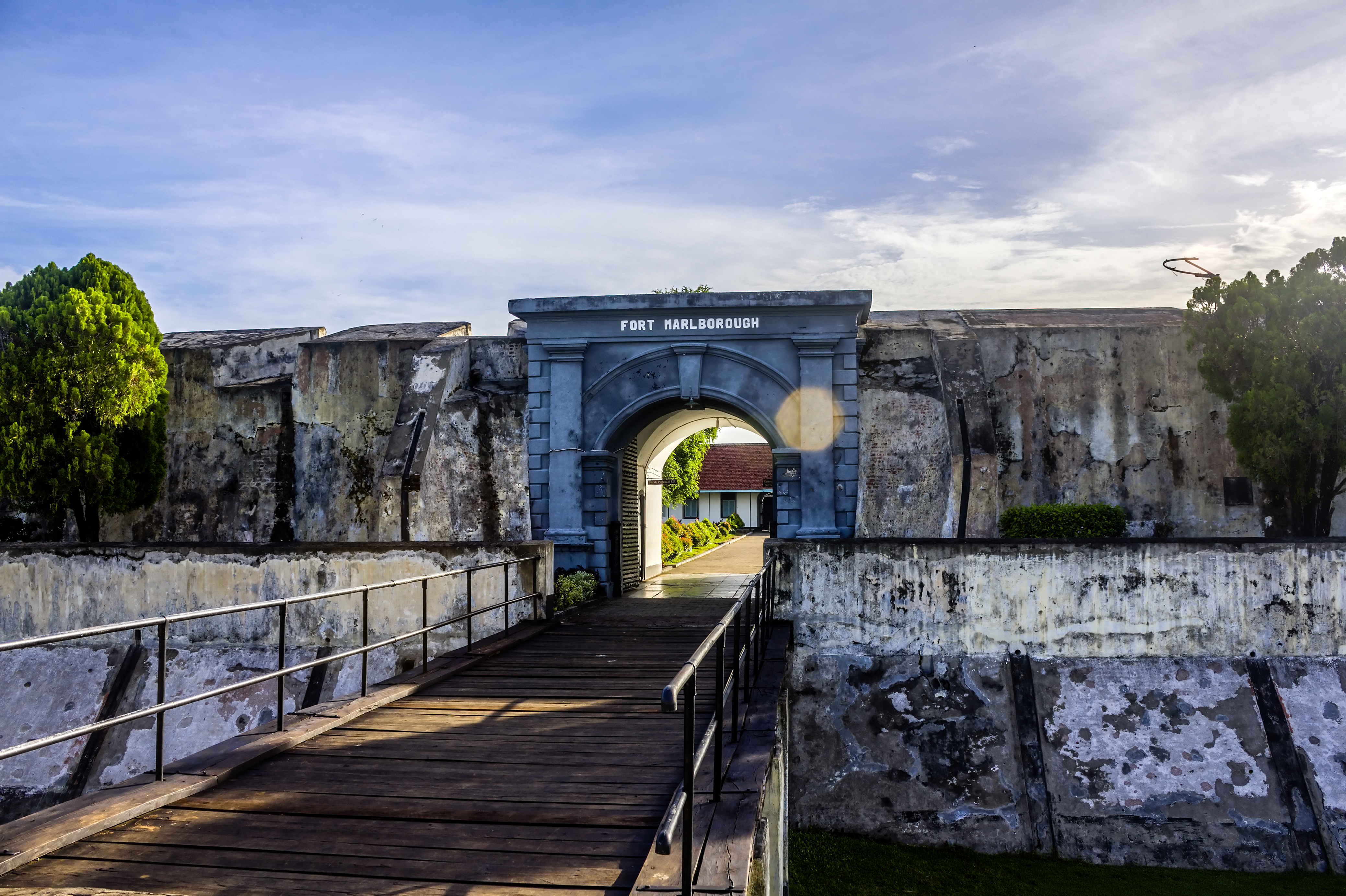
Bengkulu, Indonesia
Data updated Sep 29, 2026
📊 Scores
Best fit: FIRE / Geoarbitrage (score: 77)
Coal and gold extraction dominate Bengkulu's economy, with geothermal energy development slowly adding another layer to what remains a resource-dependent provincial economy. Fishing along the 525-kilometer Indian Ocean coastline employs a significant chunk of the local population, and government jobs — teaching, civil administration, healthcare — are the other reliable income source. There's essentially no expat job market here. Remote workers are the only foreigners who can realistically earn a living, and even they'll find infrastructure patchy enough to test patience.
A one-bedroom in the city center runs around $200/month, which is genuinely cheap even by Indonesian standards. Transport is motorbike-or-nothing territory — no ride-hail density like Bali or Jakarta, and public transit is minimal. Healthcare is the real concern: Bengkulu city has public hospitals, but anything serious means a flight to Palembang or Medan. Bahasa Indonesia is non-negotiable; English is rarely spoken outside university circles. Bureaucracy for residency follows standard Indonesian KITAS rules, but local officials have limited experience processing foreign residents.
Expect rain — a lot of it. The tropical maritime climate means heavy, unpredictable downpours year-round, with monsoon season intensifying coastal weather. The upside is uncrowded Indian Ocean beaches that would be Instagram-famous if they were in Bali. Local food is Minang-influenced, heavy on fish and chili, and genuinely good. The expat community is tiny — think single digits, not hundreds — so social life means integrating with locals or accepting isolation. This city suits location-independent introverts who want low costs, raw coastline, and zero tourist infrastructure.
🏚️ Cost of Living
💰 Budgets and Costs
Grocery Basket
Eating Out
Utilities & Lifestyle
Housing
A 1BR in the center runs about $200/mo. If your income is in another currency, bank FX fees add up. A multi-currency account can cut that cost.
See low-fee transfersWe may earn a commission at no cost to you.
💰 Real Spend Reports
🛡️ Safety & Crime
(Higher is safer)
(Lower is safer)
Bengkulu presents moderate safety challenges typical of mid-sized Indonesian cities. Petty theft, pickpocketing, and motorcycle robbery occur regularly, particularly in crowded markets and at night. Violent crime against foreigners is uncommon but property crime is persistent. Avoid displaying valuables, traveling alone after dark, and the port area. Traffic accidents pose a significant risk due to chaotic driving patterns. The city lacks the tourist infrastructure and police presence of larger Indonesian destinations, meaning fewer resources for expat issues. Overall, it's manageable for cautious residents but requires consistent vigilance and isn't ideal for those seeking a relaxed, low-stress environment.
Bengkulu has a safety index of 50/100. Petty theft and lost belongings are the most common problems for newcomers. Compare travel insurance before you go.
Compare travel insuranceWe may earn a commission at no cost to you.
🏥 Healthcare
🌤️ Climate
Best Months
Climate Notes
Tropical rainforest climate, consistently hot, humid, and rainy year-round.
💻 Digital Nomad
Community Notes
| Name | Price/mo | Notes |
|---|---|---|
| Ruang Kerja Bengkulu | $60 | A popular coworking space in Indonesia with a location in Bengkulu. Offers a professional environment with good internet, meeting rooms, and a community vibe, suitable for digital nomads looking for a productive workspace. |
| Kedai Kopi Digital | $45 | More of a cafe than a dedicated coworking space, but it's known as a digital nomad-friendly spot in Bengkulu. Offers reliable Wi-Fi, power outlets, and a relaxed atmosphere, perfect for those who prefer a casual work environment. |
Planning to live in Bengkulu long-term? Indonesia Remote Worker Visa (E33G) lets remote workers live legally with a minimum income of $2,000/month.
View full requirements →Working remotely from Bengkulu? Nomad health insurance covers you across borders, month to month.
See nomad insuranceWe may earn a commission at no cost to you.
🧳 Expat Life
Expat Life Notes
A quiet coastal city in Sumatra. Foreign presence is minimal, usually tied to university exchange or agriculture.
Pros
- ✓ Pristine nature nearby
- ✓ Low cost of living
- ✓ Authentic local culture
Cons
- ✗ Limited infrastructure
- ✗ Isolation
- ✗ Significant language barrier
🛂 Visa Options for Indonesia
Many long-stay visas require proof of health insurance. Compare international health plans before you apply.
Compare health insuranceWe may earn a commission at no cost to you.
Living on investment or passive income? Indonesia Retirement Visa (KITAS) may be the right fit — minimum $2,000/month required.
View full requirements →Earning over $2,000/mo? You may qualify for a Indonesia visa.
Answer 10 questions and get a personalized match in under 2 minutes.
Could living/working in Bengkulu cut years off your work life?
With a 1-bedroom in the center at $200/mo, your FIRE number here might be much lower than you think.
Estimate the cost of moving to Bengkulu, Indonesia
Get a free moving cost estimate for moving to Bengkulu, Indonesia. Takes 10 seconds.
How much are you shipping?
When are you moving?
Powered by Sirelo. Free quotes from verified international movers.
Share This Guide
Bengkulu won't stay this cheap forever.
Cost-of-living and visa updates for Bengkulu and the rest of Indonesia. Free with RA Postcards.
By submitting your email address, you will receive a free subscription to RA Postcards and special offers from Rewire Abroad and our affiliates. You can unsubscribe at any time, and we encourage you to read more about our Privacy Policy.