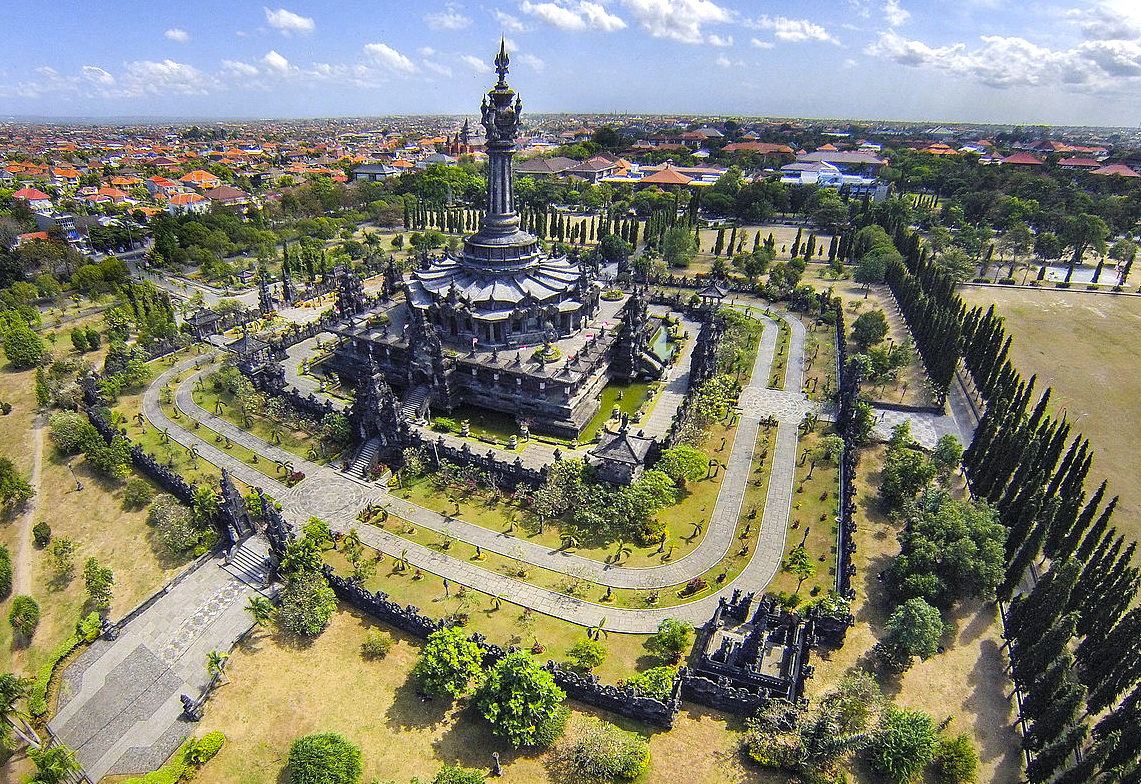
Bali, Indonesia
Data updated Sep 29, 2026
📊 Scores
Best fit: FIRE / Geoarbitrage (score: 73)
Tourism runs roughly 80% of Bali's economy, which tells you almost everything about who earns money here and how. Hotels, restaurants, surf schools, yoga studios, and Airbnb arbitrage are the dominant income sources. For locals, wages in hospitality are low — often under $300/month. For foreigners, the realistic paths are remote work brought from home, running a tourism-adjacent business (legally complicated under Indonesian law), or content creation. There are no significant tech campuses or multinational office hubs. If you need a local employer, your options are thin.
A one-bedroom in central Seminyak or Canggu runs around $550/month, but you can drop to $300–400 in Ubud or outer neighborhoods. Scooter rental is $60–80/month; owning a car is expensive and traffic in south Bali is genuinely bad. Healthcare is the real friction point — public hospitals are limited, and most expats use private clinics like BIMC or Siloam, which require international insurance. Bureaucracy is a serious issue: the tourist visa allows 60 days, and working legally requires a KITAS, which is slow, expensive, and sponsor-dependent. Bahasa Indonesia helps but isn't strictly required in tourist zones.
The dry season (April–October) is excellent — low humidity, consistent sun, manageable heat around 28°C. The wet season brings daily downpours and humidity that makes everything feel damp. Food is a genuine strength: $2 warungs sit next to $20 brunch spots, and both can be good. The expat community in Canggu is enormous — some would say oversaturated — with digital nomad cafés, coworking spaces, and a social scene that can feel like a permanent gap year. Weekends mean beaches, rice terraces, temple ceremonies, or day trips to Nusa Penida. This city suits remote workers or early retirees who want low costs, warm weather, and don't mind trading urban infrastructure for lifestyle.
🏚️ Cost of Living
💰 Budgets and Costs
Grocery Basket
Eating Out
Utilities & Lifestyle
Housing
A 1BR in the center runs about $198.04/mo. If your income is in another currency, bank FX fees add up. A multi-currency account can cut that cost.
See low-fee transfersWe may earn a commission at no cost to you.
💰 Real Spend Reports
🛡️ Safety & Crime
(Higher is safer)
(Lower is safer)
Bali is relatively safe for expats compared to many global destinations, with petty theft and scams being primary concerns rather than violent crime. Watch for bag snatching in crowded areas, ATM skimming, and tourist-targeted scams (fake taxis, inflated bills). Avoid displaying expensive jewelry or electronics. South Kuta and central tourist zones see more incidents; quieter areas like Ubud and Sanur are generally safer. Serious violent crime against expats is uncommon. The main risks are opportunistic theft and financial scams—manageable with standard precautions. A reasonable choice for remote workers and retirees seeking affordable, established expat communities.
🏥 Healthcare
🌤️ Climate
Best Months
Climate Notes
Tropical monsoon climate; warm and humid with a wet season from October to April.
💻 Digital Nomad
Community Notes
| Name | Price/mo | Notes |
|---|---|---|
| Dojo Bali Coworking | $170 | Located in Canggu, Dojo Bali offers a vibrant community, fast internet, a pool, and regular events, making it a popular choice for digital nomads looking to connect and collaborate. |
| Outpost Canggu | $220 | Outpost Canggu provides a productive workspace with comfortable seating, private meeting rooms, and a cafe, situated in a convenient location with easy access to beaches and restaurants. |
| Biliq Bali Seminyak | $150 | Located in Seminyak, Biliq Bali offers a stylish and modern workspace with ergonomic chairs, high-speed internet, and a relaxed atmosphere, ideal for focused work and networking. |
| Hub Bali Legian | $120 | Hub Bali in Legian provides a budget-friendly coworking option with essential amenities, a friendly community, and a central location close to shops, restaurants, and the beach. |
Planning to live in Bali long-term? Indonesia Remote Worker Visa (E33G) lets remote workers live legally with a minimum income of $2,000/month.
View full requirements →Working remotely from Bali? Nomad health insurance covers you across borders, month to month.
See nomad insuranceWe may earn a commission at no cost to you.
🧳 Expat Life
Expat Life Notes
One of the world top destinations for digital nomads and lifestyle expats. Infrastructure varies from rustic to ultra-luxury.
Pros
- ✓ World-class social scene
- ✓ Incredible nature
- ✓ Very affordable luxury
Cons
- ✗ Extreme traffic congestion
- ✗ Digital nomad tax uncertainty
- ✗ Overtourism in hotspots
🛂 Visa Options for Indonesia
Many long-stay visas require proof of health insurance. Compare international health plans before you apply.
Compare health insuranceWe may earn a commission at no cost to you.
Living on investment or passive income? Indonesia Retirement Visa (KITAS) may be the right fit — minimum $2,000/month required.
View full requirements →Earning over $2,000/mo? You may qualify for a Indonesia visa.
Answer 10 questions and get a personalized match in under 2 minutes.
Could living/working in Bali cut years off your work life?
With a 1-bedroom in the center at $198/mo, your FIRE number here might be much lower than you think.
Moving to Bali? Estimate what an international move would cost and compare mover quotes.
Estimate my move costShare This Guide
Bali won't stay this cheap forever.
Cost-of-living and visa updates for Bali and the rest of Indonesia. Free with RA Postcards.
By submitting your email address, you will receive a free subscription to RA Postcards and special offers from Rewire Abroad and our affiliates. You can unsubscribe at any time, and we encourage you to read more about our Privacy Policy.