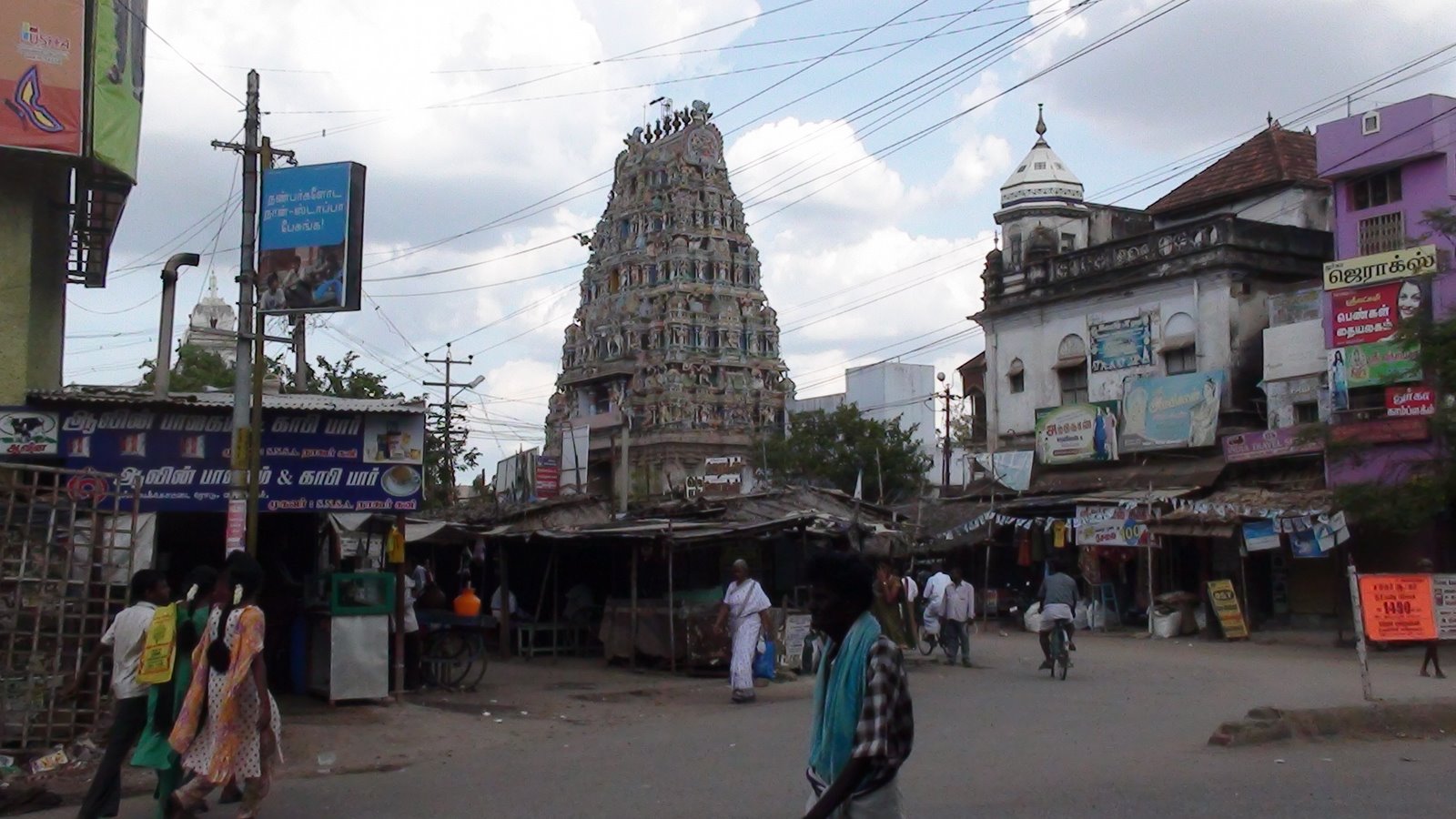
Virudhunagar sits in the southern Indian state of Tamil Nadu at 102 m above sea level, keeping time on Asia/Kolkata. The climate is hot semi-arid: scorching summers from March through May, mild winters from December through February, and a monsoon season in October and November that brings moderate relief. About 72 thousand people live here, and the city has not developed the kind of expat enclaves found in larger Indian metros, so newcomers settle wherever daily needs and budget point them rather than into established foreigner neighborhoods.
Living costs are low enough to stretch a modest income. A one-bedroom apartment in the city center rents for $62/mo, utilities run $29/mo, internet costs $6/mo, and a mobile phone plan is $3/mo. A gym membership comes to $5/mo. Eating out is cheap: an inexpensive restaurant meal is $1 per person, a mid-range three-course meal for two is $8, and a cappuccino is $1. Against those numbers, the average monthly net salary locally is $298/mo, so a local wage covers rent and essentials but leaves little room for imported goods or frequent travel.
Safety is middling. The safety index is 50/100 and the crime index is 50/100, meaning the city is neither notably dangerous nor notably secure by the measure applied here. Air quality is a concern, with an air quality index of 72. Healthcare quality is rated poor, so residents with ongoing medical needs should plan to travel for serious care rather than rely on what is available in town.
Visas follow the usual Indian immigration channels, and there is no shortcut around them. The nearest airport is Madurai Airport (IXM), 33 km away, which handles the final leg of the journey. Internet averages 20 Mbps, workable for routine tasks but not heavy data work. English proficiency is limited, so learning some Tamil helps daily life considerably. The city scores 43/100 overall for expats, 42/100 for retirees, and 45/100 for digital nomads, which points to a place best suited to budget-conscious long-stayers, slow travelers, and people with a local connection or remote income who want very low costs and are willing to accept limited healthcare, limited English, and a quieter social scene.