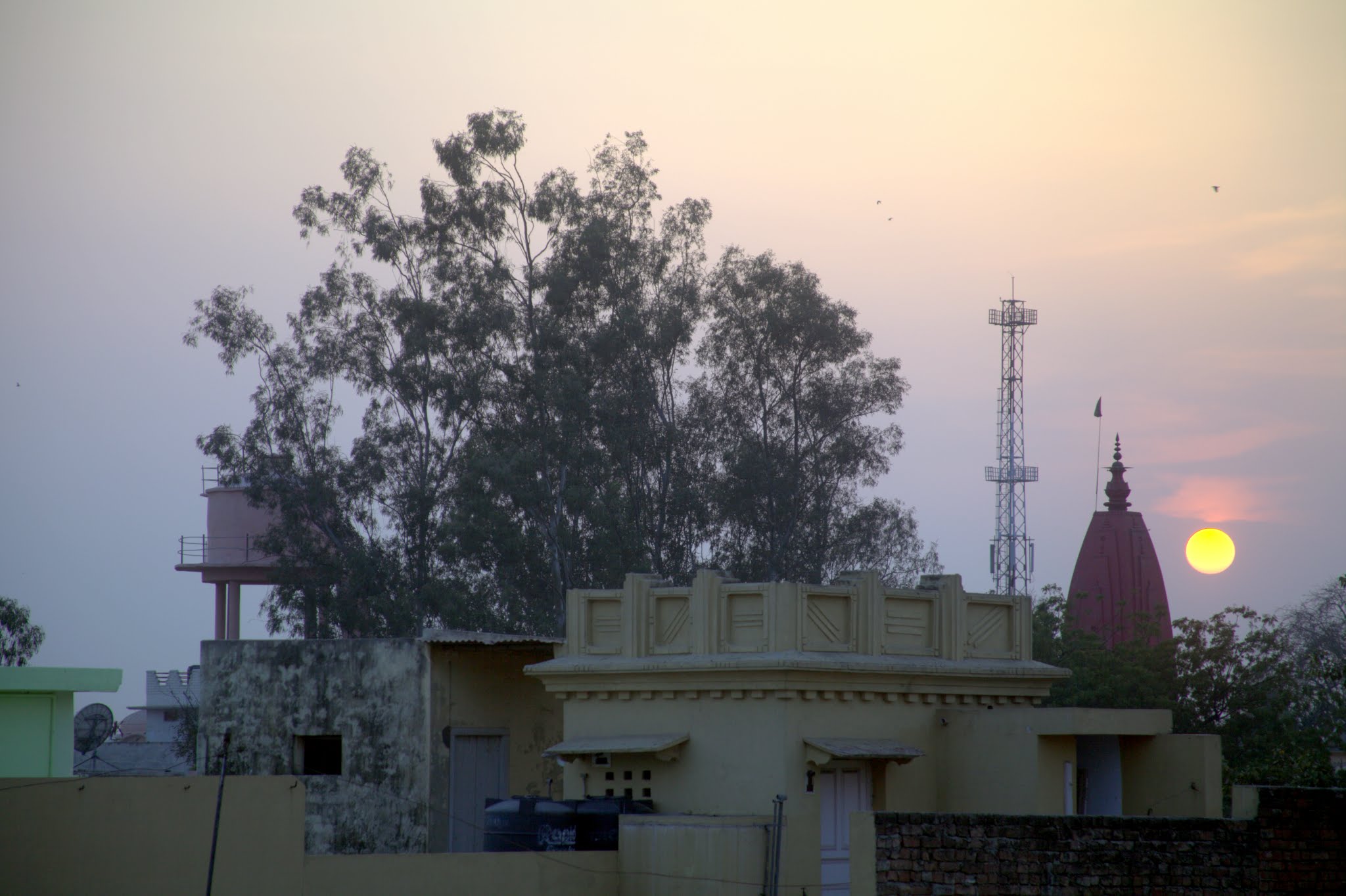
Shamli sits in the humid subtropical belt of western Uttar Pradesh, about 40 kilometers from Delhi's Indira Gandhi International Airport, at an elevation of 240 meters above sea level. The climate is defined by extremes: scorching summers that test even the most heat-hardened traveler, followed by cool, dry winters that offer a welcome reprieve. With a population of 107,000, the city feels compact and walkable, though expats rarely cluster in any single named neighborhood; instead, they tend to rent near the central market or along the main arterial roads where daily errands are easiest. The timezone is Asia/Kolkata, so plan your calls accordingly, and be prepared for limited English proficiency in daily interactions, which makes learning a few Hindi phrases essential for getting by.
Living here is remarkably inexpensive, but the numbers tell a nuanced story. A one-bedroom apartment in the city center rents for $52/mo, dropping to $31/mo outside the center, while a three-bedroom in the center costs $207/mo and $156/mo outside. Monthly utilities run $63/mo, internet is just $2/mo, and a mobile plan adds $4/mo, bringing fixed costs to a modest baseline. A public transport pass costs $3/mo, a gym membership $12/mo, and a cappuccino at a restaurant runs $2. Meals are almost absurdly cheap: an inexpensive restaurant meal costs $1 per person, while a three-course meal for two at a mid-range spot is $10. The average monthly net salary is $310/mo, which means a single adult can live on a budget tier of $149/mo, a mid-range tier of $187/mo, or a comfortable tier of $225/mo, all including rent. The gap between local wages and living costs is narrow, so expats earning remotely or with outside income will find their money stretches far, but locals feel the pinch.
Safety is a mixed bag. The safety index sits at 60/100, which is moderate, while the crime index is 40/100, lower being safer, suggesting petty theft and occasional incidents rather than widespread violent crime. Healthcare quality is rated as fair, so for serious medical needs, most expats plan to travel to Delhi, which is only 40 kilometers away. The air quality index is 160, which is unhealthy for sensitive groups, and during the dry winter months, smog can linger, so an air purifier is a practical investment. The overall expat score is 46/100, with a retiree score of 48/100 and a digital nomad score of 44/100, reflecting that Shamli is not a top-tier destination for either group, but it is livable for those who prioritize low costs over amenities.
Getting to Shamli is straightforward: fly into Delhi's airport, then take a taxi or bus for the 40-kilometer journey. Visas for India require a standard application process, with no specific program named here, so expect paperwork and patience. This city suits budget-conscious travelers, retirees on fixed incomes, or remote workers who can tolerate slow internet (average speed is 15 Mbps) and limited English. It is not a place for those seeking nightlife, international cuisine, or luxury healthcare. Instead, Shamli offers a raw, unfiltered look at everyday Indian life, where a dollar buys a full meal, a monthly transit pass costs less than a coffee, and the heat is as honest as the prices.