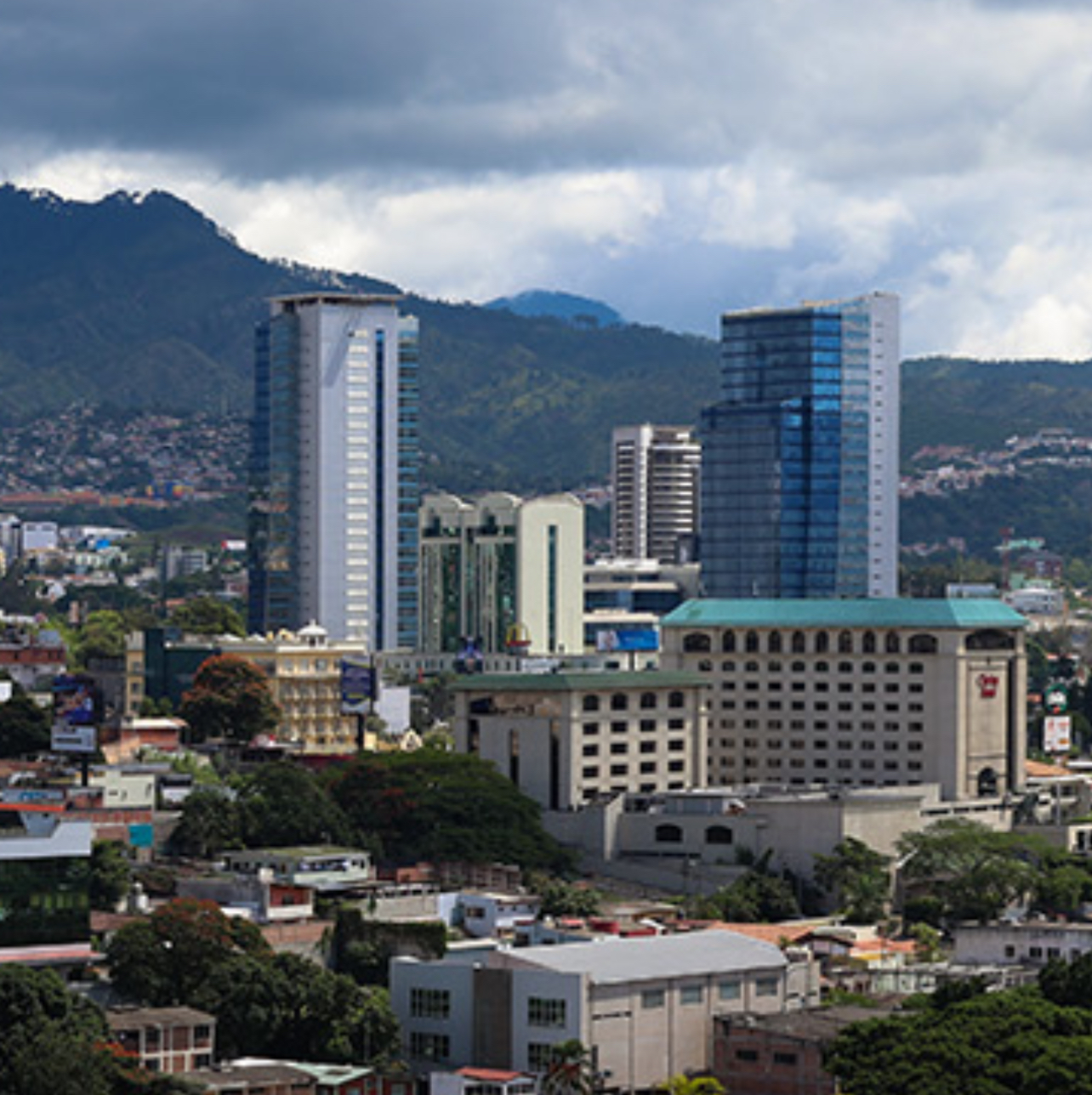
Tegucigalpa, Honduras
Data updated Sep 3, 2026
📊 Scores
Best fit: FIRE / Geoarbitrage (score: 62)
Government is the engine here — ministries, state-owned telecoms (Hondutel), and the national energy utility (ENEE) dominate formal employment, alongside the diplomatic sector supported by 25 embassies and 16 consulates. Remote workers and digital nomads do exist, but the infrastructure to support them is inconsistent. The National Autonomous University of Honduras anchors an education sector, and NGOs working on development issues maintain a quiet but steady presence. Private-sector opportunities are limited outside of finance and trade, and the informal economy absorbs a large share of the workforce.
A one-bedroom in the city center runs around $500/month, which sounds reasonable until you factor in the real costs: private security, a car (public transit is chaotic and unreliable with 400,000+ vehicles choking roads built for far fewer), and private healthcare, since public hospitals are underfunded. Spanish fluency is non-negotiable — English gets you almost nowhere outside embassy circles. Bureaucracy is genuinely painful; expect slow processes, unclear requirements, and frequent in-person visits for residency paperwork. Power and water outages happen. Budget accordingly.
The highland elevation keeps temperatures in the 60s–70s°F year-round, which is legitimately pleasant — no brutal coastal humidity. Food is cheap and filling: baleadas, carne asada, and fresh fruit markets are everywhere. The expat community is small and skews toward embassy staff, missionaries, and development workers rather than lifestyle nomads. Weekends mean hiking nearby mountains, watching Liga Nacional football, or driving to Valle de Ángeles for crafts and cooler air. The safety index of 40 reflects real risk that shapes daily decisions. This city suits people here for a specific professional or humanitarian purpose, not those chasing a laid-back expat lifestyle.
🏚️ Cost of Living
💰 Budgets and Costs
Grocery Basket
Eating Out
Utilities & Lifestyle
Housing
A 1BR in the center runs about $500/mo. If your income is in another currency, bank FX fees add up. A multi-currency account can cut that cost.
See low-fee transfersWe may earn a commission at no cost to you.
💰 Real Spend Reports
🛡️ Safety & Crime
(Higher is safer)
(Lower is safer)
Tegucigalpa presents significant safety challenges for expats. With a Safety Index of 40, the city experiences elevated violent crime, gang activity, and property theft, particularly in neighborhoods like Comayagüela and outer districts. Carjacking, home invasion, and street robbery are real concerns; avoid displaying wealth, use registered taxis or ride-apps, and stay in established expat areas like Palmira or Los Próceres. Gang presence and drug trafficking create unpredictable risks. For Americans considering relocation, this city requires serious security awareness, established local networks, and acceptance of genuine constraints on movement and lifestyle. It's viable for those with security-conscious discipline, but not recommended for those seeking a relaxed retirement environment.
Tegucigalpa has a safety index of 40/100. Petty theft and lost belongings are the most common problems for newcomers. Compare travel insurance before you go.
Compare travel insuranceWe may earn a commission at no cost to you.
🏥 Healthcare
🌤️ Climate
Best Months
Climate Notes
Tropical savanna climate; pleasant temperatures due to its highland location.
💻 Digital Nomad
Community Notes
| Name | Price/mo | Notes |
|---|---|---|
| Impact Hub Tegucigalpa | $80 | Part of the global Impact Hub network, this space offers a collaborative environment focused on social impact. Located in Colonia San Carlos, it's a good option for those looking to connect with local entrepreneurs and NGOs. |
| Regus Metrópolis | $150 | Located in the Metrópolis building, this Regus offers a professional and reliable coworking environment. It's a good option for those who prefer a more corporate setting and is easily accessible. |
| Workings | $70 | A smaller, independent coworking space offering a more intimate and community-focused atmosphere. Located in Colonia Palmira, it's known for its friendly vibe and is popular among local freelancers. |
Working remotely from Tegucigalpa? Nomad health insurance covers you across borders, month to month.
See nomad insuranceWe may earn a commission at no cost to you.
🧳 Expat Life
Expat Life Notes
The capital of Honduras offers a hilly landscape. Expat life is mostly diplomatic or NGO-focused, with high security awareness.
Pros
- ✓ Cooler mountain climate
- ✓ Relatively low cost of living
- ✓ Established NGO community
Cons
- ✗ High safety and security concerns
- ✗ Heavy traffic congestion
- ✗ Challenging topography for transit
🛂 Visa Options for Honduras
Many long-stay visas require proof of health insurance. Compare international health plans before you apply.
Compare health insuranceWe may earn a commission at no cost to you.
Living on investment or passive income? Honduras Rentista Visa may be the right fit — minimum $2,500/month required.
View full requirements →Living on investment or passive income? Honduras Pensionado may be the right fit — minimum $2,500/month required.
View full requirements →Earning over $2,500/mo? You may qualify for a Honduras visa.
Answer 10 questions and get a personalized match in under 2 minutes.
Could living/working in Tegucigalpa cut years off your work life?
With a 1-bedroom in the center at $500/mo, your FIRE number here might be much lower than you think.
Moving to Tegucigalpa? Estimate what an international move would cost and compare mover quotes.
Estimate my move costShare This Guide
Tegucigalpa won't stay this cheap forever.
Cost-of-living and visa updates for Tegucigalpa and the rest of Honduras. Free with RA Postcards.
By submitting your email address, you will receive a free subscription to RA Postcards and special offers from Rewire Abroad and our affiliates. You can unsubscribe at any time, and we encourage you to read more about our Privacy Policy.