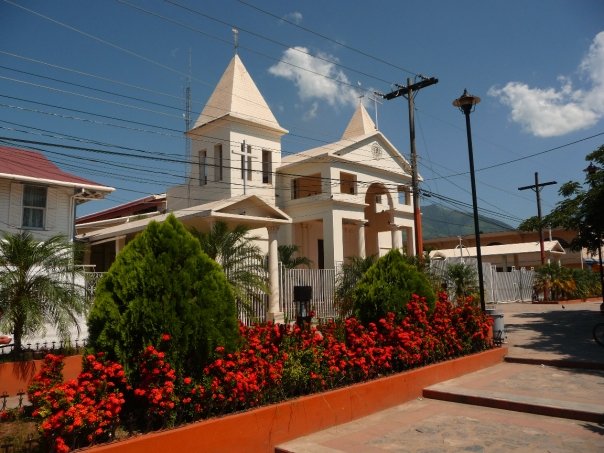
El Progreso, Honduras
Data updated Sep 29, 2026
📊 Scores
Best fit: Retiree (score: 43)
Agriculture drives everything here, with palm oil and banana plantations dominating the surrounding countryside alongside cattle ranching. The textile industry provides some manufacturing jobs, while the city's position as a transportation crossroads creates opportunities in logistics and trade. Most locals work in agricultural processing, small commerce, or services tied to the steady flow of travelers passing through. Economic opportunities for expats are limited unless you're involved in agricultural export or have remote income.
Rent runs $200-400 monthly for basic housing, though flooding from the Ulúa River is a real concern during hurricane season. Healthcare means traveling to San Pedro Sula for anything serious, about 30 minutes away. Spanish is essential—English speakers are rare outside tourist-facing businesses. Bureaucracy moves at typical Central American pace, and many streets remain unpaved. Bicycles are the primary transport for locals, which tells you something about both the economy and infrastructure.
The humid tropical climate means year-round heat and serious rainfall from May to November. Food centers on traditional Honduran fare with limited international options beyond the Megaplaza's fast food chains. The expat community is virtually nonexistent—you'll be among the few foreigners. Weekends mean trips to nearby beaches at Tela or exploring the protected Mico Quemado mountains. This suits agricultural entrepreneurs or retirees seeking authentic Central American living at rock-bottom costs.
🏚️ Cost of Living
A 1BR in the center runs about $240.21/mo. If your income is in another currency, bank FX fees add up. A multi-currency account can cut that cost.
See low-fee transfersWe may earn a commission at no cost to you.
💰 Real Spend Reports
🛡️ Safety & Crime
(Higher is safer)
(Lower is safer)
El Progreso presents moderate safety concerns for expats. While not among Honduras's most dangerous cities, it experiences property crime, petty theft, and occasional violent crime typical of industrial towns. Avoid displaying wealth, use registered taxis, and stay out of peripheral neighborhoods after dark. The city lacks the tourist infrastructure and expat community of larger hubs like Tegucigalpa or San Pedro Sula, meaning fewer established safety networks. For remote workers or retirees, it's manageable with street awareness and local guidance, but safer alternatives exist elsewhere in Honduras.
El Progreso has a safety index of 55/100. Petty theft and lost belongings are the most common problems for newcomers. Compare travel insurance before you go.
Compare travel insuranceWe may earn a commission at no cost to you.
🏥 Healthcare
🌤️ Climate
Best Months
Climate Notes
El Progreso has a tropical climate with hot, humid conditions year-round, a wet season from May to October, and a drier season from November to April that offers more comfortable conditions.
💻 Digital Nomad
Community Notes
| Name | Price/mo | Notes |
|---|---|---|
| Workingspace Honduras | $80 | While technically in San Pedro Sula (about an hour from El Progreso), Workingspace Honduras is the closest established coworking option. It offers reliable internet, meeting rooms, and a professional environment, making it suitable for expats willing to commute or stay in San Pedro Sula part-time. |
| Impact Hub Tegucigalpa | $70 | Though located in Tegucigalpa (a few hours away), Impact Hub is a well-known global network with a strong community focus. It's a good option for digital nomads seeking connection and collaboration, even if it requires travel from El Progreso. |
Working remotely from El Progreso? Nomad health insurance covers you across borders, month to month.
See nomad insuranceWe may earn a commission at no cost to you.
🧳 Expat Life
Expat Life Notes
El Progreso is an important industrial and agricultural city in the Yoro Department of Honduras, on the Ulúa River. It has a small expat presence, primarily missionaries and NGO workers. Spanish is dominant and English very limited outside international organisations.
Pros
- ✓ Major agricultural and transport hub
- ✓ Low cost of living
- ✓ Warm climate
- ✓ Sula Valley agricultural economy
Cons
- ✗ Security concerns — Honduras has elevated crime rates
- ✗ Very limited English
- ✗ Limited expat infrastructure
- ✗ Basic healthcare locally
- ✗ Spanish essential
🛂 Visa Options for Honduras
Many long-stay visas require proof of health insurance. Compare international health plans before you apply.
Compare health insuranceWe may earn a commission at no cost to you.
Living on investment or passive income? Honduras Rentista Visa may be the right fit — minimum $2,500/month required.
View full requirements →Living on investment or passive income? Honduras Pensionado may be the right fit — minimum $2,500/month required.
View full requirements →Earning over $2,500/mo? You may qualify for a Honduras visa.
Answer 10 questions and get a personalized match in under 2 minutes.
Could living/working in El Progreso cut years off your work life?
With a 1-bedroom in the center at $144/mo, your FIRE number here might be much lower than you think.
Estimate the cost of moving to El Progreso, Honduras
Get a free moving cost estimate for moving to El Progreso, Honduras. Takes 10 seconds.
How much are you shipping?
When are you moving?
Powered by Sirelo. Free quotes from verified international movers.
Share This Guide
El Progreso won't stay this cheap forever.
Cost-of-living and visa updates for El Progreso and the rest of Honduras. Free with RA Postcards.
By submitting your email address, you will receive a free subscription to RA Postcards and special offers from Rewire Abroad and our affiliates. You can unsubscribe at any time, and we encourage you to read more about our Privacy Policy.