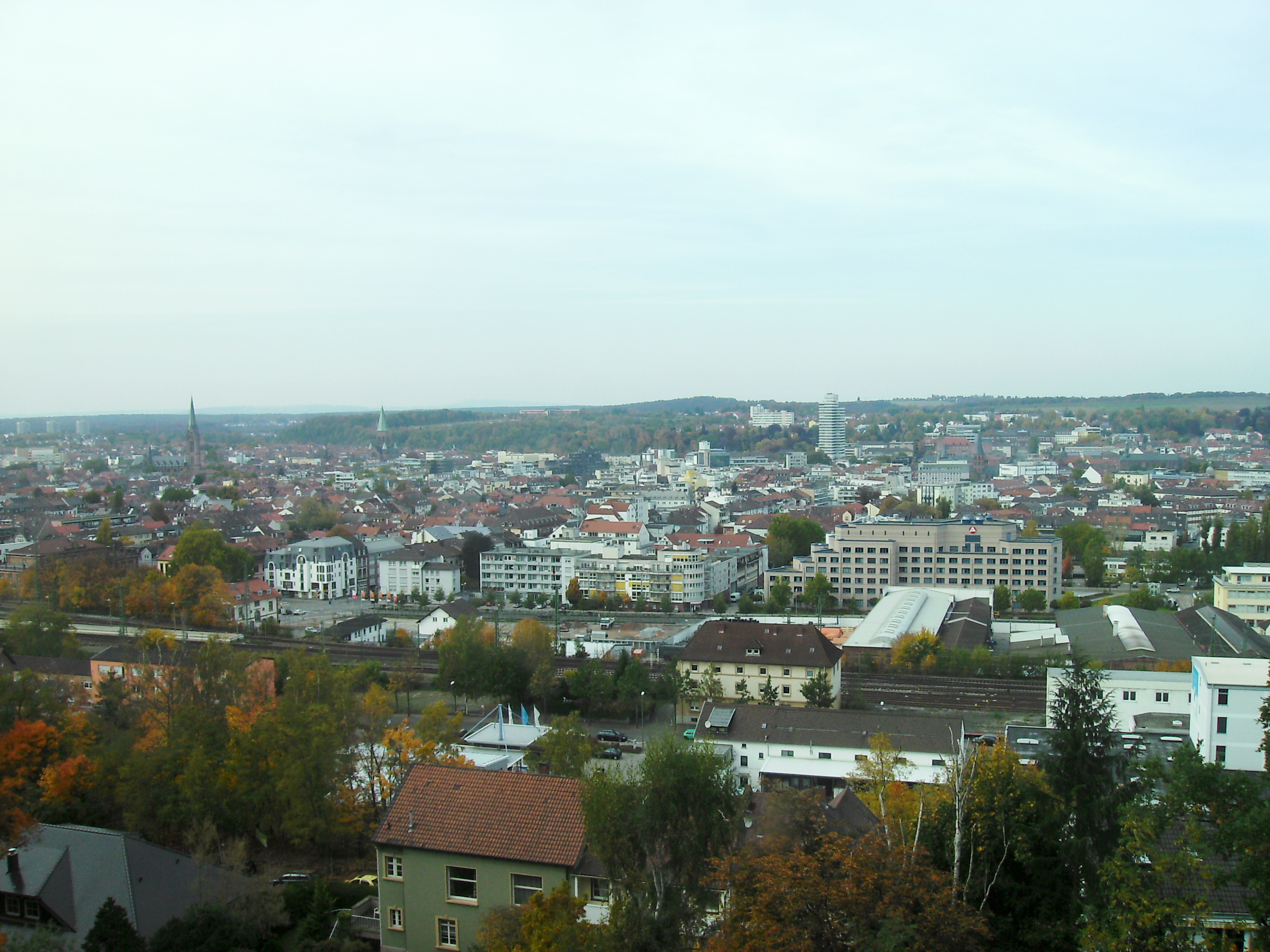
Kaiserslautern sits in southwestern Germany at 251 m above sea level, within the Europe/Berlin timezone and a temperate climate that brings four distinct seasons without extremes. The city holds a population of 101 thousand, small enough that daily life stays manageable yet large enough to support a substantial international presence. Expats who settle here most often choose the City Center, where apartments put residents within walking distance of shops, services, and the social life that anchors the community. That large and active expat community gives newcomers a ready-made network, and the compact layout means you are rarely far from the people and places that make the adjustment easier.
Living costs here run well below what most Western European cities demand. A one-bedroom apartment in the city center rents for $691/mo, while the same outside the center goes for $700/mo. Three-bedroom units in the city center run $1,523/mo, compared with $1,268/mo outside the center. Utilities add $298/mo, internet $47/mo, and a mobile phone plan $30/mo. A monthly public transport pass costs $65/mo and a gym membership $46/mo. Everyday spending stays modest: an inexpensive restaurant meal is $13 per person, a mid-range three-course dinner for two is $62, and a cappuccino is $4. Excluding rent, a single person spends about $960/mo and a family of four about $3,200/mo. Against an average monthly net salary of $2,774/mo and a cost of living index of 63/100 where New York City equals 100, the numbers favor anyone earning a local or remote income. Budget-conscious singles can manage on a total of $1,061/mo including rent, a mid-range lifestyle runs $1,525/mo, and a comfortable tier reaches $1,687/mo.
Safety is one of the city's quiet strengths. The safety index stands at 74/100, and the crime index, where lower is safer, sits at just 26/100. Air quality registers 40 on an index where lower is better, and healthcare quality is rated Good. Those figures describe a place where you can walk home late without much worry and breathe easily while doing it, and where medical care meets a standard that residents from abroad tend to find reassuring rather than merely adequate.
For longer stays, the retirement visa program is §7 Abs. 1 S. 3 AufenthG, which requires a minimum monthly income of $1,200/mo. Remote workers and freelancers can pursue the Freelancer Residence Permit under Section 21 of the German Residence Act. The nearest airport is RMS, 12 km away, keeping arrivals and departures simple. English proficiency is limited, so learning some German pays off, but the large and active expat community softens that transition. With an overall expat score of 74/100, a digital nomad score of 76/100, a FIRE score of 70/100, and a retiree score of 64/100, Kaiserslautern suits budget-minded remote workers, early retirees chasing low costs, and anyone who wants a small German city with a real international pulse rather than a tourist crowd.