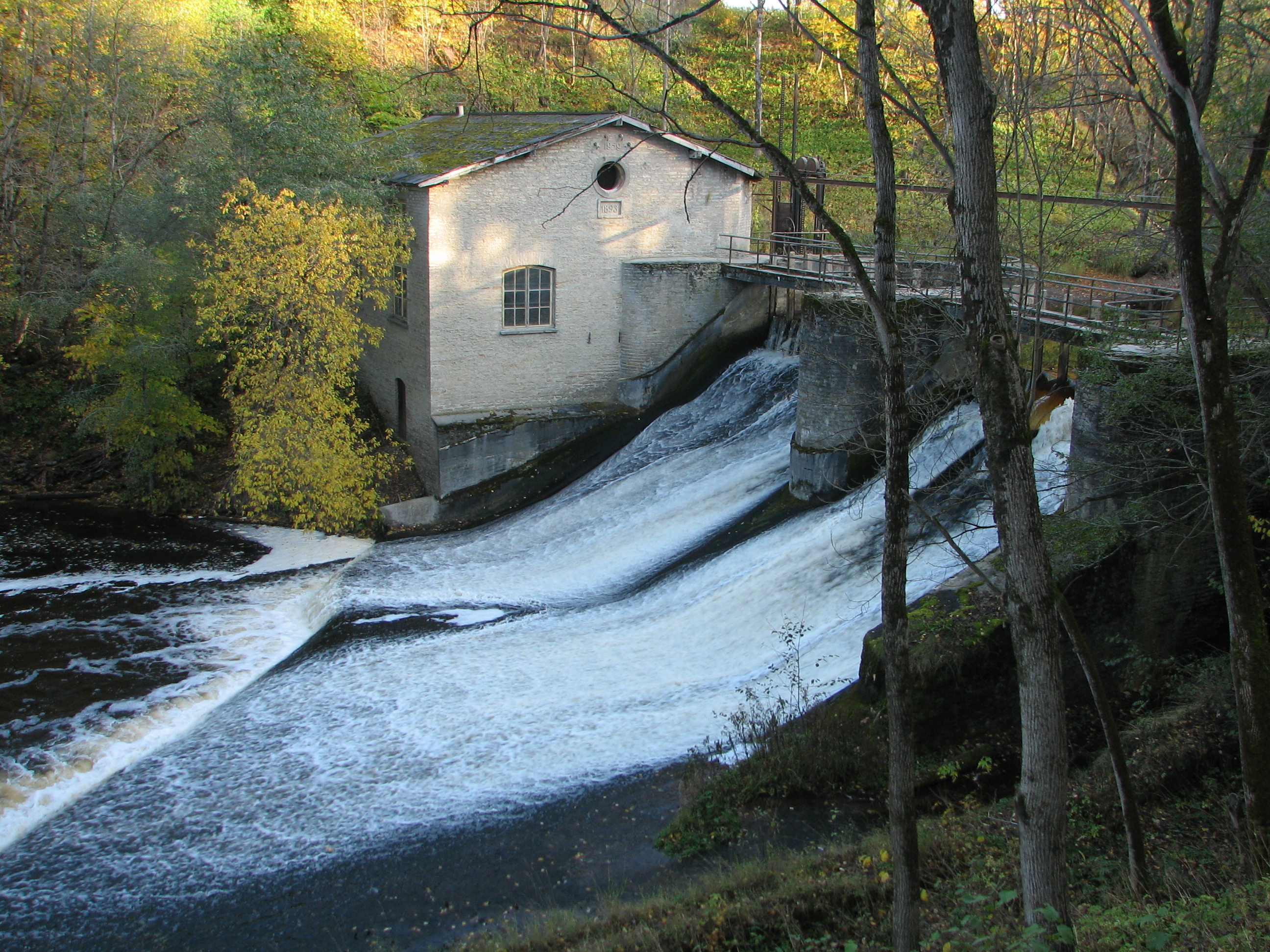
Kunda sits in northern Estonia at 31 m above sea level, in the Europe/Tallinn timezone, a small town of 3 thousand people where the Baltic air and the long northern light set the rhythm of the year. The climate is cool and temperate, with mild summers from June through August hovering around 17°C and cold, dark winters from December through February averaging around -5°C, a seasonal swing that shapes daily life far more than any urban trend. Expats who settle here tend to choose their own arrangements rather than follow a prescribed district, and the compact scale of the town means most addresses keep you close to the water, the port, and the surrounding pine and limestone country.
Living costs in Kunda reward anyone who arrives with a remote salary. A one-bedroom apartment in the city center runs $1,458/mo, while the same outside the center drops to $1,234/mo. Three-bedroom places follow the same pattern: $2,691/mo in the center and $2,019/mo outside it. Beyond rent, a single person spends about $650/mo on monthly costs, with utilities at $308/mo, internet at $36/mo, and a mobile phone plan at $18/mo. A monthly public transport pass costs $34/mo and a gym membership $112/mo. Eating out stays modest, with an inexpensive restaurant meal at $17 per person, a mid-range three-course dinner for two at $71, and a cappuccino at $4. Budget-tier living for a single adult, rent included, comes to $1,302/mo, mid-range to $2,078/mo, and comfortable to $2,495/mo. Against those figures, the average monthly net salary locally is $1,290/mo, which means most residents live on a fraction of what a well-paid remote worker brings in.
Safety is one of Kunda's strongest selling points, with a safety index of 90/100 and a crime index of just 10/100, numbers that make late walks and unlocked routines feel unremarkable. Air quality is good at an index of 35, and healthcare quality is rated Good, so routine care and emergencies are handled without the anxiety that accompanies many larger cities. Internet averages 55 Mbps, enough for video calls, streaming, and remote work, though heavy data users may notice the ceiling. English proficiency is limited, so a few words of Estonian go a long way in shops and at the pharmacy.
Estonia's Digital Nomad Visa is the main route for remote workers, and it requires a minimum monthly income of $5,138/mo, a threshold that sits well above local wages but within reach for many location-independent professionals. The nearest airport is TLL, which connects Kunda to the wider region. The town scores 78/100 overall for expats and 78/100 on FIRE, making it a strong fit for remote workers chasing low costs and high safety, while retiree and digital nomad scores of 65/100 and 64/100 suggest it rewards those who value quiet over convenience. It suits savers, remote employees, and anyone who wants a northern European base without big-city rent.