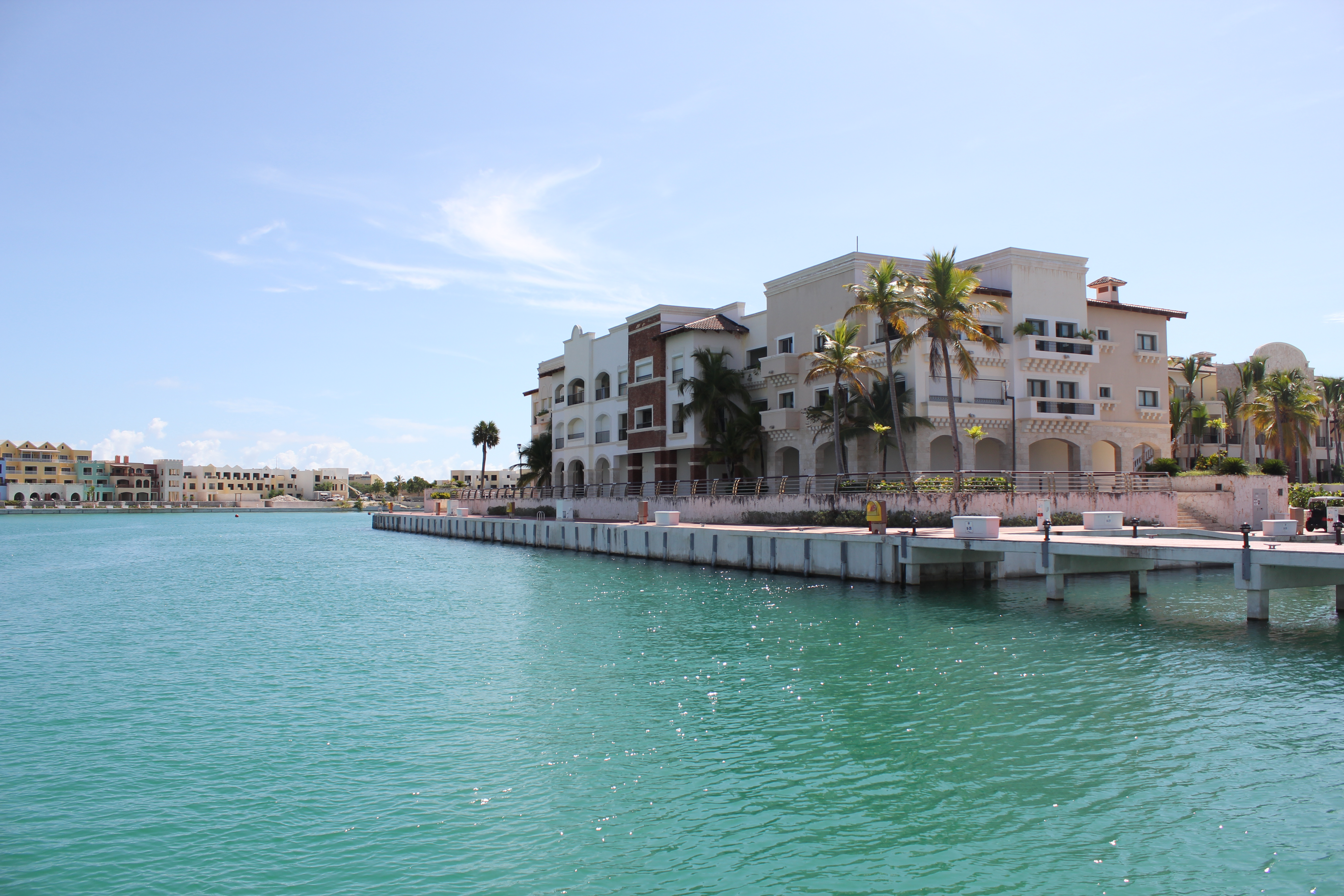
Punta Cana, on the eastern tip of the Dominican Republic, sits just 12 meters above sea level in a tropical climate. The city is home to about 139,000 people and operates on America/Santo_Domingo time. Expats tend to settle in the Punta Cana Resort Zone, Cap Cana, and Bavaro, where the small expat community finds English common in tourist areas.
Living costs here are modest. A single adult can get by on a budget of about $2,500 per month including rent, while a more comfortable lifestyle runs around $5,500 per month. Monthly expenses for a single person excluding rent come to $900; for a family of four, that figure is $2,800. Rentals vary widely: a one-bedroom outside the center costs $1,100 per month, a three-bedroom in the city center is $2,656, and a three-bedroom outside the center is $999. Utilities run $95 per month, internet $39, a mobile phone plan $27, and a gym membership $83. Eating out is inexpensive: an inexpensive restaurant meal is $8, a mid-range three-course meal for two is $41, and a cappuccino is $2.
Safety is a relative strength, with a safety index of 70 out of 100 and a crime index of 28 (lower is safer). Healthcare quality is rated as fair. The air quality index is 45, indicating moderate pollution.
For those looking to stay long-term, the Dominican Republic offers two visa programs. The Rentista / Pensionado Visa requires a minimum monthly income of $1,500, while the Digital Nomad Visa requires $2,000 per month. The nearest airport is PUJ, just 4 km away. Punta Cana suits budget-conscious singles, families, retirees, and digital nomads who value low costs and a warm climate.
Estimate the cost of moving to Punta Cana, Dominican Republic
Get a free moving cost estimate for moving to Punta Cana, Dominican Republic. Takes 10 seconds.
How much are you shipping?
When are you moving?
Powered by Sirelo. Free quotes from international movers.
🏚️ Cost of Living
💰 Budgets and Costs
A category breakdown is not available for Punta Cana yet. We publish a breakdown only when every category can be priced from local data, rather than showing figures we cannot stand behind.
Punta Cana is significantly safer than most Dominican Republic cities, with a strong tourist and expat infrastructure that supports security. Main concerns include petty theft, pickpocketing in crowded areas, and occasional scams targeting foreigners unfamiliar with local prices. Avoid displaying valuables, use registered taxis or ride-sharing apps, and stay in established neighborhoods like Punta Cana proper or nearby Bavaro. Violent crime affecting expats is rare. Overall, it's a reasonable choice for remote workers and retirees who exercise standard expat caution and avoid isolated areas after dark.
Punta Cana has a safety index of 53.65/100. Petty theft and lost belongings are the most common problems for newcomers. Compare travel insurance before you go.
See how Punta Cana's healthcare compares with Luperon
🌤️ Climate
Climate Zones
Tropical
Summer Temp
28°C
Winter Temp
25°C
Humidity
78%
Air Quality Index
45
Pollution Index (lower is better)
71.74
Climate Index (higher is better)
72.75
Annual Rainfall
1377 mm
Best Months
FebMarAprMayNov
Climate Notes
Punta Cana has a tropical climate with warm temperatures year-round, a dry season from December to April, and a wet hurricane season from June to November.
Commute & Property
Commute Time Index
0
Indices last read Nov 13, 2026.
💻 Digital Nomad
Avg Internet Speed
25 Mbps
Internet (monthly)
$39/mo
Coworking Availability
Moderate
Coworking Spaces Nearby
0
Digital Nomad Score
53/100
Community Notes
Touristic area with seasonal influxes ideal for short stays.
Located in the Galerias de Punta Cana, this Regus offers a professional environment with private offices and coworking spaces. It's a reliable option with standard amenities, suitable for those seeking a structured workspace in a central location.
Located inside the Blue Mall, this coworking space offers a modern and convenient workspace. It's ideal for those who appreciate having shopping, dining, and other amenities within easy reach, and it's well-suited for networking.
Located in the Plaza Turquesa, this coworking space offers a more relaxed and community-focused atmosphere. It's a good option for digital nomads looking for a budget-friendly workspace near the beach.
See how Punta Cana's digital nomad life compares with Luperon
🧳 Expat Life
English Proficiency
Common in Tourist Areas
Expat Community
Small
Top Neighborhoods
Punta Cana Resort Zone, Cap Cana, Bávaro
Banks Nearby
6
ATMs Nearby
1
Expat Life Notes
Punta Cana is the Dominican Republic's premier beach resort destination, with the world's busiest airport for charter flights. A growing community of retirees and hospitality workers reside in the resort corridor. English is common in resort zones.
Pros
✓ World-class beaches
✓ Growing expat community
✓ Resort infrastructure
Cons
✗ Bubble environment outside resorts
✗ High costs in resort zones
✗ Limited public services
🏘️ Neighborhoods in Punta Cana
Areas of Punta Cana that expats often consider.
Conditions can change from one block to the next, and these descriptions are general guides, not safety assessments. Before choosing where to stay or live, check current travel advisories, talk to people who live there, and visit in person if you can.
Bavaro
Bustling tourist hub, lively
Bavaro is the heart of Punta Cana's tourist zone, offering a wide range of amenities, restaurants, and nightlife. Many expats and digital nomads choose Bavaro for its convenience and access to services, but it can be crowded and noisy. Public transportation is readily available, but walking can be challenging due to traffic.
El Cortecito
Beachfront, relaxed, local feel
El Cortecito offers a more laid-back atmosphere compared to Bavaro, with a mix of locals and expats. It's known for its beachfront restaurants and shops, providing a more authentic Dominican experience. While English is spoken in tourist areas, knowing some Spanish is helpful. It's walkable, but less developed than Bavaro.
Los Corales
Upscale, quiet, beachfront condos
Los Corales is a gated community with a focus on luxury condos and beachfront living. It's popular with expats and retirees seeking a quieter, more secure environment. Prices are higher than in other areas, but the amenities and proximity to the beach are a major draw. Walkability is good within the community, but a car is recommended for exploring further afield.
Cap Cana
Ultra-luxury, exclusive, resort living
Cap Cana is an exclusive resort community with high-end villas, golf courses, and a marina. It's ideal for those seeking a luxurious lifestyle and willing to pay a premium. Security is excellent, but it's quite isolated and requires a car for getting around. Expect to pay tourist prices for everything.
Veron
Local, budget-friendly, Dominican life
Veron is a more local area further inland, offering a glimpse into everyday Dominican life. It's a more affordable option, but English is not widely spoken, and amenities are more basic. It's less touristy and more authentic, but may require a higher level of Spanish proficiency and cultural adaptation. Public transport is available, but can be crowded.
Friusa
Residential, growing, mixed community
Friusa is a developing residential area with a mix of locals and expats. It offers a balance between affordability and convenience, with access to supermarkets, restaurants, and other services. It's becoming increasingly popular with digital nomads and long-term residents. While walkable in some areas, a car or motorcycle is helpful.
Punta Cana Village
Gated, family-friendly, convenient
Punta Cana Village is a gated community near the airport, offering a secure and convenient lifestyle. It's popular with families and expats working in the tourism industry. It has its own shops, restaurants, and international school. While walkable within the village, a car is recommended for exploring the wider area.
Page 1 of 2
Could living/working in Punta Cana cut years off your work life?
With a 1-bedroom in the center at $947/mo, your FIRE number here might be much lower than you think.
In Punta Cana, a one-bedroom runs $947 in the center and $1,100 outside it and three bedrooms come to $2,656 in the center and $999 outside it, per month.
Punta Cana scores 53.65 on the safety index (higher is safer) and a crime index of 46.35 (lower is safer).
Average internet speed in Punta Cana is 25 Mbps. A home connection costs about $39/mo.
In Punta Cana, summer averages 28°C, winter averages 25°C and annual rainfall is 1377 mm.
Yes, Spanish is essential for daily life outside resort areas. While tourist zones operate in English, banking, healthcare, government services, and local shopping require Spanish. Resort jobs may provide English-speaking environments, but integration into the community is impossible without Spanish fluency.
Budget $2,500-3,500 monthly for comfortable living in resort areas, including $1,600 rent, $300 car expenses, $200 utilities, and $400 food. Living in Verón with locals cuts costs to $1,200-1,500 monthly but requires Spanish and cultural adaptation. Import duties make Western goods expensive.
Resort areas and gated communities like Cap Cana are generally safe with private security. Verón and surrounding areas have typical Caribbean urban issues—petty crime, motorcycle theft, and occasional violent crime. Avoid displaying wealth, don't walk alone at night outside resort zones, and stick to established expat areas.
For stays longer than 30 days, you'll need a residency visa. Options include a retirement visa (requiring proof of pension income), an investment visa, or a work visa if you secure employment. Consult with a Dominican immigration lawyer to determine the best path for your situation.
Punta Cana has private hospitals and clinics offering decent care, though it's not on par with the US. You can find English-speaking doctors, especially at Hospiten Bávaro and Centro Médico Punta Cana. Health insurance is recommended; consider an international plan or a local Dominican policy.
Internet speeds are generally reliable in tourist areas like Bávaro and Cap Cana, with fiber optic options available. Expect speeds of 50-100 Mbps, sufficient for most remote work tasks. However, connectivity can be spotty in more rural areas.
For budget-friendly living, consider areas like El Cortecito or Los Corales. You can find apartments for rent starting around $600-$800 USD per month. These areas offer a mix of locals and expats, with easy access to beaches and amenities.
Rent varies greatly depending on location and amenities. Expect to pay $600-$1200 USD per month for a one- or two-bedroom apartment in areas like El Cortecito or Bávaro. Luxury condos in Cap Cana can easily exceed $2000 per month.
Punta Cana has a tropical climate with warm temperatures year-round. Expect high humidity and occasional rain, especially during the hurricane season (June to November). Pack light, breathable clothing and be prepared for both sunshine and showers.
Public transportation includes 'guaguas' (local buses) and 'motoconchos' (motorcycle taxis), which are inexpensive but can be crowded. Taxis and ride-sharing apps like Uber are also available, but more expensive. Many expats choose to rent or buy a car for greater flexibility.
Yes, there are a few coworking spaces in Punta Cana, primarily located in Bávaro. These spaces offer reliable internet, meeting rooms, and a professional environment for remote workers. Check out places like [insert actual coworking space name if known].
You can open a bank account at a local bank like Banco Popular or Banco BHD León, but it may require residency. Services like Wise (formerly TransferWise) are often the easiest and most cost-effective way to transfer money internationally. ATM fees can be high, so withdraw larger amounts when possible.
As a US citizen, you're still required to file US taxes even when living abroad. You may be able to exclude a significant portion of your income using the Foreign Earned Income Exclusion (FEIE). Also, be aware of FBAR reporting requirements for foreign bank accounts.
Punta Cana can be viable for early retirement, especially if you're comfortable with a simpler lifestyle. With careful budgeting, you could potentially live comfortably on $2000-$3000 USD per month, depending on your housing preferences and lifestyle choices. However, unexpected expenses can arise, so plan accordingly.
Punta Cana has a growing expat community, particularly in areas like Bávaro and Cap Cana. You can connect with other expats through online forums, social media groups, and local events. This can be a great way to make friends and get advice on living in the area.
While Spanish is the official language, you can get by with English in tourist areas. However, learning some basic Spanish will significantly improve your daily life and interactions with locals. Consider taking a language course or using language learning apps.
Like any city, Punta Cana has areas with higher crime rates. It's generally advisable to avoid walking alone at night in less-populated areas and to be aware of your surroundings. Stick to well-lit and tourist-friendly zones, especially when you're new to the area.
Cost-of-living and visa updates for Punta Cana and the rest of Dominican Republic. Free with RA Postcards.
By submitting your email address, you will receive a free subscription to RA Postcards and special offers from Rewire Abroad and our affiliates. You can unsubscribe at any time, and we encourage you to read more about our Privacy Policy.