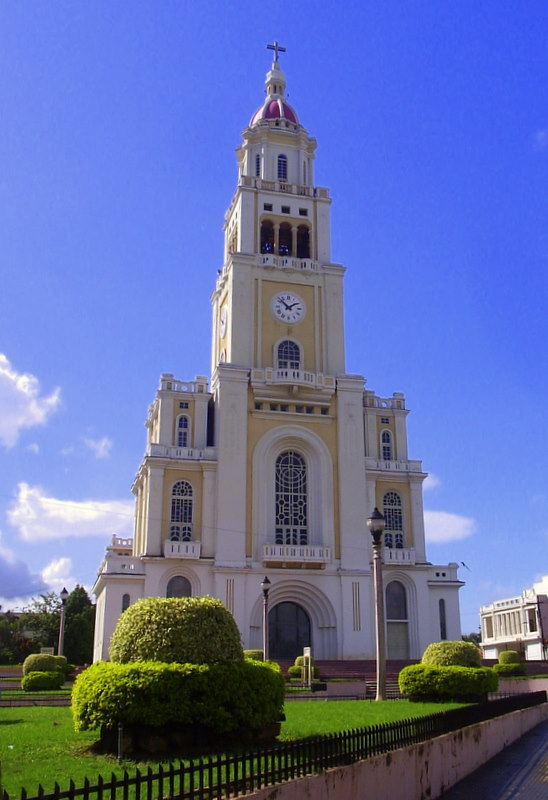
Moca, Dominican Republic
Data updated Sep 29, 2026
📊 Scores
Best fit: FIRE / Geoarbitrage (score: 71)
Agriculture and light manufacturing drive Moca's economy, with coffee processing (Industries Banilejas dominates) and poultry production (70% of the sector) as major employers. Banking presence is solid—all major Dominican banks operate here—reflecting its role as the Cibao region's financial hub. Most expats and locals work in agriculture, food processing, retail, or commute 18km to Santiago for corporate jobs. Steady work exists if you're in agribusiness or manufacturing; remote work is viable but internet reliability varies.
Rent runs $300/month for a one-bedroom in the center—genuinely cheap. Transport is informal: motoconchistas (motorcycle taxis) dominate; no public transit system. Healthcare is basic; serious issues require Santiago or Santo Domingo. Spanish is essential; English is rare outside banking. Bureaucracy for residency is standard Dominican friction: expect multiple office visits and unclear timelines. Utilities are reliable but pricey relative to rent.
Tropical heat (27.5°C average), dry season November–April. Food is plantain-heavy, fresh, and inexpensive. Social life revolves around baseball, church, and family gatherings; expat community is tiny. Weekends mean baseball games at Estadio Bragaña Garcia, trips to Santiago's restaurants, or beach drives to the north coast. Moca suits remote workers seeking ultra-low costs and agricultural industry professionals, not those needing nightlife or large expat networks.
🏚️ Cost of Living
💰 Budgets and Costs
Grocery Basket
Eating Out
Utilities & Lifestyle
Housing
A 1BR in the center runs about $300/mo. If your income is in another currency, bank FX fees add up. A multi-currency account can cut that cost.
See low-fee transfersWe may earn a commission at no cost to you.
💰 Real Spend Reports
🛡️ Safety & Crime
(Higher is safer)
(Lower is safer)
Moca presents moderate safety concerns typical of smaller Dominican cities. While less volatile than Santo Domingo or Santiago, petty theft, robbery, and scams targeting foreigners occur regularly. Avoid displaying valuables, use registered taxis, and stay out of peripheral neighborhoods after dark. The city itself is relatively walkable during daylight, but expats should maintain situational awareness and establish local networks for guidance. Gang activity exists but typically doesn't target residents in established expat areas. Overall, manageable for cautious retirees familiar with Latin American urban dynamics, though not ideal for those seeking minimal crime exposure.
Moca has a safety index of 40/100. Petty theft and lost belongings are the most common problems for newcomers. Compare travel insurance before you go.
Compare travel insuranceWe may earn a commission at no cost to you.
🏥 Healthcare
🌤️ Climate
Best Months
Climate Notes
Moca has a tropical climate with warm temperatures year-round, high humidity, and a rainy season from May to November that brings afternoon downpours.
💻 Digital Nomad
Community Notes
| Name | Price/mo | Notes |
|---|---|---|
| Coworking Moca | $60 | A popular local option in the heart of Moca, Coworking Moca offers a friendly atmosphere and essential amenities like reliable Wi-Fi and printing. It's a great place to connect with local entrepreneurs and digital nomads. |
| Oficina Compartida Moca | $75 | Located in a central area of Moca, Oficina Compartida provides a professional workspace with private offices and shared areas. It's a good option for those needing a more formal environment and is easily accessible. |
Planning to live in Moca long-term? Dominican Republic Digital Nomad Visa lets remote workers live legally with a minimum income of $2,000/month.
View full requirements →Working remotely from Moca? Nomad health insurance covers you across borders, month to month.
See nomad insuranceWe may earn a commission at no cost to you.
🧳 Expat Life
Expat Life Notes
Moca is a mid-sized city in the Espaillat province of the Dominican Republic, known for its lace-making craft. It has minimal expat infrastructure.
Pros
- ✓ Low cost of living
- ✓ Authentic Dominican culture
- ✓ Handicraft tradition
Cons
- ✗ No expat community
- ✗ Very limited English
- ✗ Limited amenities
🛂 Visa Options for Dominican Republic
Many long-stay visas require proof of health insurance. Compare international health plans before you apply.
Compare health insuranceWe may earn a commission at no cost to you.
Living on investment or passive income? Dominican Republic Rentista / Pensionado Visa may be the right fit — minimum $1,500/month required.
View full requirements →Living on investment or passive income? Dominican Republic Retirement Visa may be the right fit — minimum $1,500/month required.
View full requirements →Earning over $1,500/mo? You may qualify for a Dominican Republic visa.
Answer 10 questions and get a personalized match in under 2 minutes.
Could living/working in Moca cut years off your work life?
With a 1-bedroom in the center at $180/mo, your FIRE number here might be much lower than you think.
Moving to Moca? Estimate what an international move would cost and compare mover quotes.
Estimate my move costShare This Guide
Moca won't stay this cheap forever.
Cost-of-living and visa updates for Moca and the rest of Dominican Republic. Free with RA Postcards.
By submitting your email address, you will receive a free subscription to RA Postcards and special offers from Rewire Abroad and our affiliates. You can unsubscribe at any time, and we encourage you to read more about our Privacy Policy.