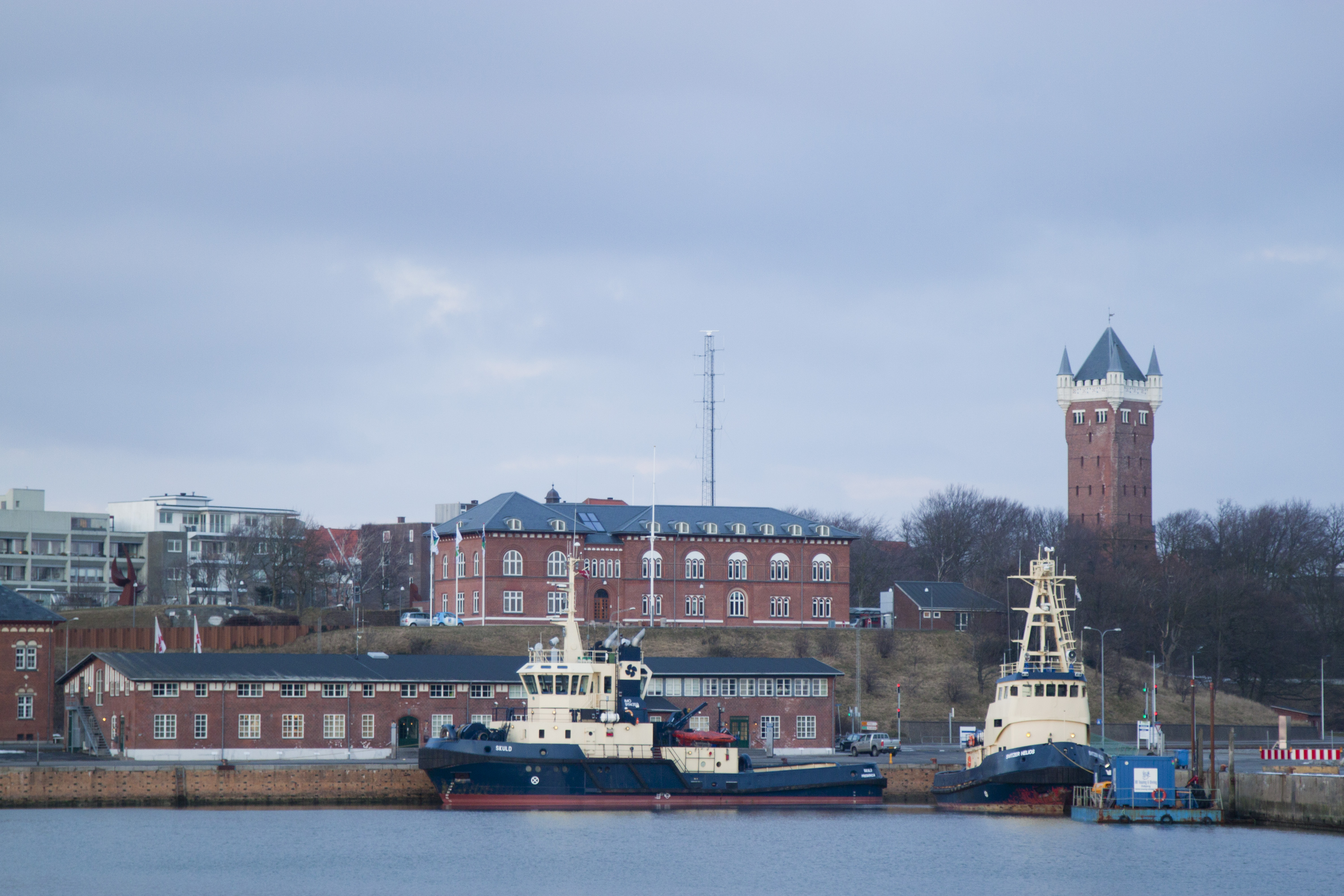
Esbjerg, Denmark
Data updated Sep 29, 2026
📊 Scores
Best fit: Digital Nomad (score: 74)
Esbjerg's economy runs on wind turbines, shipping, and fishing—not tourism. The port is Denmark's second-largest, handling offshore wind infrastructure and container traffic. Major employers include port operators, renewable energy companies, and food processing firms (dairy, meat exports). University branches (University of Southern Denmark, Aalborg) add research jobs. It's a working city where you earn money in logistics, engineering, or academia, not a creative hub. Salaries track Danish norms: €45,000–€65,000 for skilled work.
Rent for a one-bedroom city center runs $980/month; outside center, $750. Transport is excellent—trains to Copenhagen (3.5 hours), Aarhus (1.5 hours), buses everywhere. Healthcare is free via Danish tax system; register with a læge (GP) immediately. Danish is the working language; English works in offices and among younger people, but daily life (shops, bureaucracy) demands Danish. Residency permits require employment or study; freelancers face friction. Winter darkness is real—November through January is genuinely bleak.
Winters are cold and gray; summers mild and brief. Food is expensive (Danish prices) but excellent—fresh fish, dairy, rye bread. The expat community is small and professional, not backpacker-oriented. Weekends mean cycling, sailing, beach walks along the North Sea, or driving to Fanø island. Cultural life exists (Utzon-designed performing arts center, art museum) but is modest. Esbjerg suits engineers, renewable energy professionals, and academics seeking stability over excitement—not digital nomads or retirees seeking warmth.
🏚️ Cost of Living
💰 Budgets and Costs
Grocery Basket
Eating Out
Utilities & Lifestyle
Housing
A 1BR in the center runs about $980/mo. If your income is in another currency, bank FX fees add up. A multi-currency account can cut that cost.
See low-fee transfersWe may earn a commission at no cost to you.
💰 Real Spend Reports
🛡️ Safety & Crime
(Higher is safer)
(Lower is safer)
Esbjerg is genuinely safe by any standard—violent crime is rare and street crime minimal. The main concerns are petty theft in crowded areas and occasional bike theft, typical of Danish cities. Scams targeting expats are uncommon; standard precautions (secure valuables, avoid isolated areas late at night) suffice. The city has strong police presence and excellent emergency services. For an American considering relocation, safety is not a meaningful barrier; focus instead on weather, social integration, and cost of living.
🏥 Healthcare
🌤️ Climate
Best Months
Climate Notes
Esbjerg has a cool maritime climate with mild summers (around 17°C) and cold, damp winters (around 2°C), featuring frequent wind and rain year-round, making it ideal for those who enjoy Nordic coastal weather.
💻 Digital Nomad
Community Notes
| Name | Price/mo | Notes |
|---|---|---|
| Regus Esbjerg | $250 | Located in the city center, Regus offers a professional and reliable coworking environment with various membership options. It's a good choice for those seeking a standard, globally recognized workspace with meeting rooms and administrative support. |
| Business Center Esbjerg | $300 | Business Center Esbjerg provides flexible office solutions and coworking spaces. Located centrally, it offers a professional environment with access to meeting rooms, networking opportunities, and other business services, making it suitable for digital nomads seeking a more structured setting. |
| Brygge Cowork | $275 | Brygge Cowork offers a modern and collaborative workspace in a central location. It features flexible desks, meeting rooms, and a social atmosphere, ideal for remote workers looking to connect with other professionals and enjoy a vibrant community. |
Working remotely from Esbjerg? Nomad health insurance covers you across borders, month to month.
See nomad insuranceWe may earn a commission at no cost to you.
🧳 Expat Life
Expat Life Notes
Denmark's energy capital. Esbjerg has a large international community working in the offshore and wind sectors.
Pros
- ✓ Strong job market
- ✓ Excellent English
- ✓ Safe environment
Cons
- ✗ Windy climate
- ✗ Industrial atmosphere
- ✗ High cost of living
🛂 Visa Options for Denmark
Many long-stay visas require proof of health insurance. Compare international health plans before you apply.
Compare health insuranceWe may earn a commission at no cost to you.
Not sure which Denmark visa you qualify for?
Answer 10 questions and get a personalized match in under 2 minutes.
Could living/working in Esbjerg cut years off your work life?
With a 1-bedroom in the center at $588/mo, your FIRE number here might be much lower than you think.
Moving to Esbjerg? Estimate what an international move would cost and compare mover quotes.
Estimate my move costShare This Guide
Esbjerg won't stay this cheap forever.
Cost-of-living and visa updates for Esbjerg and the rest of Denmark. Free with RA Postcards.
By submitting your email address, you will receive a free subscription to RA Postcards and special offers from Rewire Abroad and our affiliates. You can unsubscribe at any time, and we encourage you to read more about our Privacy Policy.