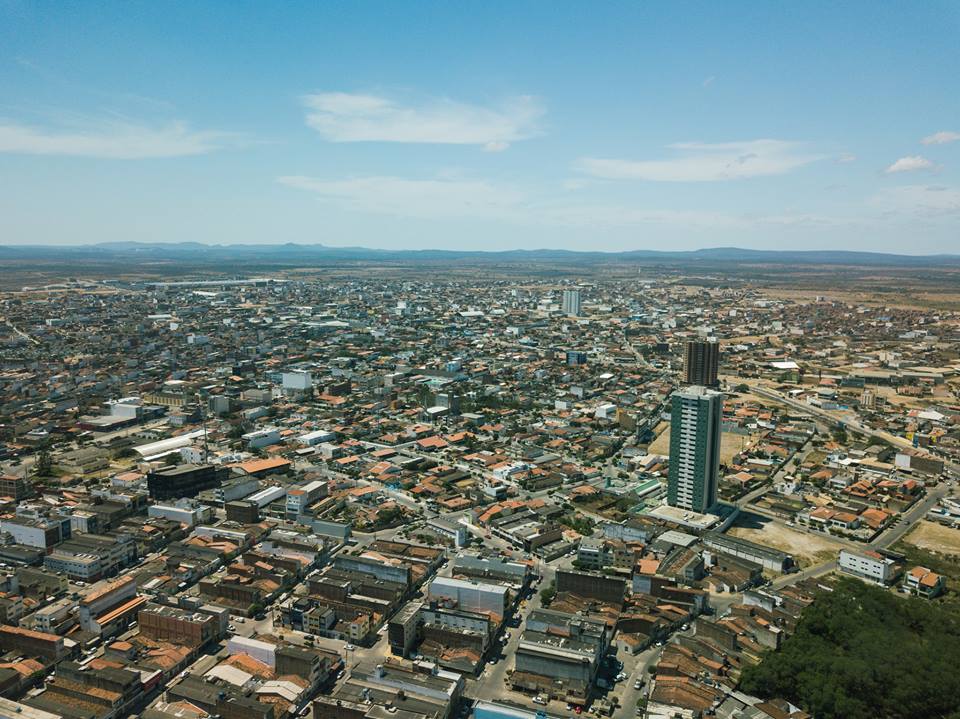
Santa Cruz do Capibaribe sits at 438 meters above sea level in the arid interior of Brazil's northeast, within the America/Recife timezone. The climate is dry and hot, with sparse rainfall shaping a landscape of scrubland and low hills. The city itself is compact, home to roughly 38 thousand people, and while the data does not name specific neighborhoods favored by expats, the practical choice often comes down to proximity to the central commercial district versus quieter residential edges. The nearest airport, CAU, lies 23 kilometers away, making the city accessible but not immediately connected to international hubs.
Living costs here are strikingly low, with a cost of living index of 31 out of 100 relative to New York City. A single adult can manage on a budget tier of $660 per month including rent, while a mid-range lifestyle runs about $950 monthly, and a comfortable tier reaches $1,400. Rent outside the centre for a one-bedroom is $180 per month, while the same unit in the city centre costs $240; a three-bedroom outside the centre is $340, and in the centre it is $450. Excluding rent, a single person spends around $420 monthly, and a family of four spends $1,250, which means the bulk of expenses go toward housing, food, and transport rather than discretionary spending.
Safety is moderate, with a safety index of 58 and a crime index of 42, indicating a city that is not without petty crime but generally manageable for those who stay alert. Healthcare quality is rated as fair, so expats with chronic conditions or serious medical needs may need to travel to larger cities for specialized care, though basic services are available locally. English proficiency is limited, so learning Portuguese is essential for daily interactions, from market haggling to medical appointments.
For those considering a longer stay, Brazil offers two clear visa pathways. The VITEM XIV retirement visa requires a minimum monthly income of $2,000, while the Brazil Digital Nomad Visa requires $1,500 per month. Both programs are accessible for many remote workers and retirees, though the retiree score of 55 suggests the city is not a top pick for older expats, while the FIRE score of 80 and digital nomad score of 62 indicate it suits those focused on saving aggressively or working remotely with a low overhead. The overall expat score of 78 reflects a place that is affordable, safe enough, and practical for cost-conscious newcomers, but not for those seeking luxury, high-end healthcare, or a large English-speaking community.