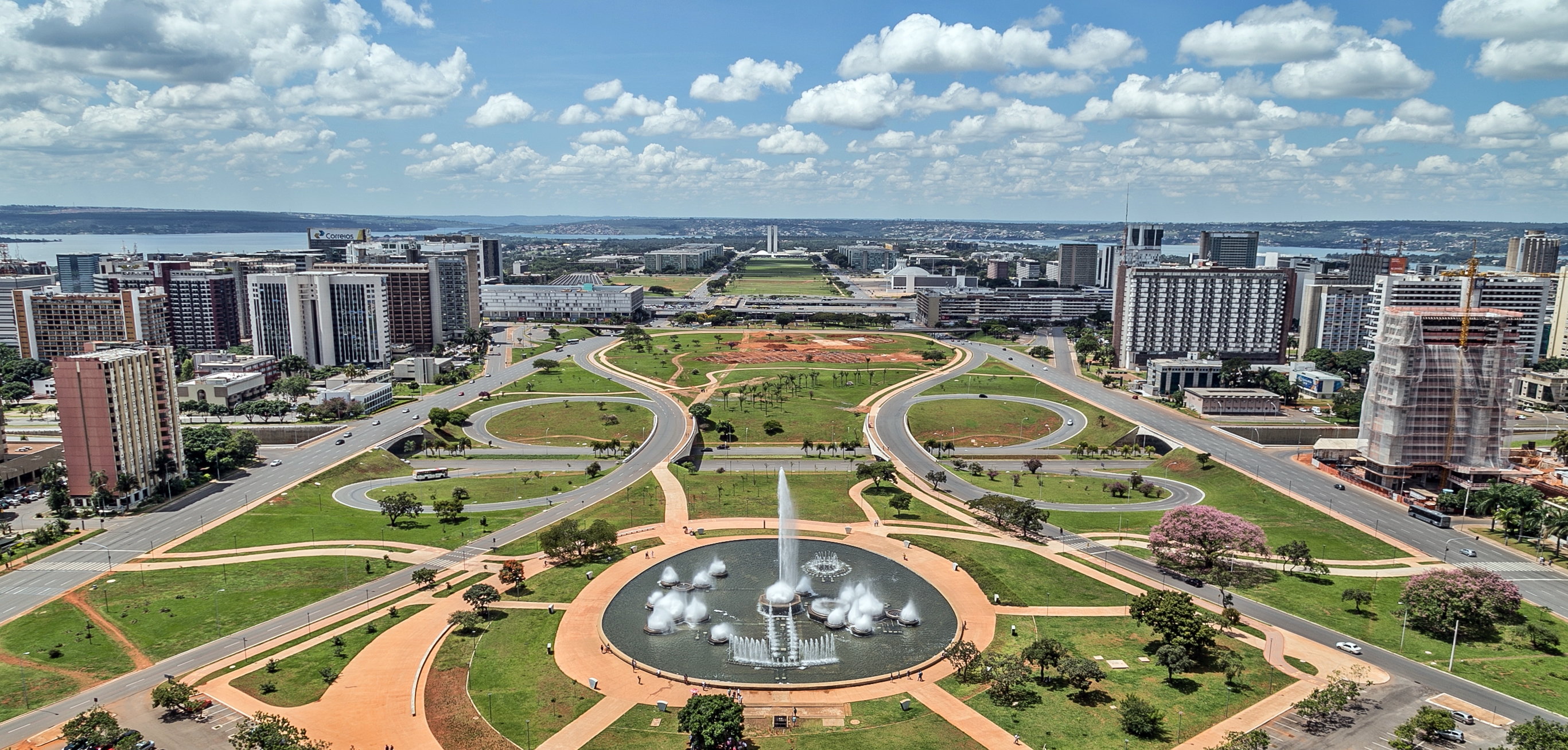
Samambaia sits in Brazil's Federal District, roughly 3 km from Brasília International Airport (BSB), at an elevation of 1150 m above sea level. The clock runs on America/Sao_Paulo time. The climate is tropical savanna, with the data reflecting the Federal District region. Among expats, Samambaia Norte is the neighborhood of choice, though the expat community size is very few.
Rents stay low by national standards. A 1-bedroom apartment in the city centre runs $350/mo, while outside the centre it drops to $250/mo. A 3-bedroom in the centre costs $700/mo, and outside the centre $500/mo. For a single adult, monthly costs excluding rent come to $480/mo. A family of four spends $1,400/mo excluding rent. Budget-tier living for a single adult, rent included, totals $850/mo. Mid-range living reaches $1,500/mo, and the comfortable tier sits at $2,300/mo. The cost of living index is 37/100 against New York City at 100. Average internet speed is 30 Mbps.
The safety index is 65/100, and the crime index is 35/100, where lower is safer. Healthcare quality is rated good. Air quality index is 35, with lower being better. English proficiency is limited.
For retirement, the VITEM XIV visa requires a minimum monthly income of $2,000/mo. The Brazil Digital Nomad Visa requires $1,500/mo. The nearest airport is Brasília International Airport (BSB), 3 km away. With an overall expat score of 80/100, a FIRE score of 82/100, a retiree score of 60/100, and a digital nomad score of 58/100, Samambaia suits budget-focused retirees and early retirees who value low costs and proximity to the capital, while digital nomads and those seeking a large expat scene will find fewer peers.
Estimate the cost of moving to Samambaia, Brazil
Get a free moving cost estimate for moving to Samambaia, Brazil. Takes 10 seconds.
How much are you shipping?
When are you moving?
Powered by Sirelo. Free quotes from international movers.
🏚️ Cost of Living
💰 Budgets and Costs
A category breakdown is not available for Samambaia yet. We publish a breakdown only when every category can be priced from local data, rather than showing figures we cannot stand behind.
Rent, 1 bedroom in the centre
$350/mo
Living costs, excluding rent
$480/mo
Still needed for a full breakdown: grocery prices, restaurant prices and utility bills.
Samambaia, a planned satellite city of Brasília, offers moderate safety with a 65/100 Safety Index—better than many Brazilian urban centers. Property crime and petty theft are the primary concerns; avoid displaying valuables and use registered taxis or ride-sharing apps. Certain peripheral neighborhoods warrant caution after dark. The city's organized layout and federal district status provide some structural advantages over chaotic metros. For expats accustomed to urban Brazil, Samambaia is reasonably manageable, though standard precautions—secure housing, awareness of surroundings, avoiding isolated areas at night—remain essential. It's a viable option for remote workers seeking affordability without extreme risk.
🏥 Healthcare
Good
Public Hospitals
Yes
Private Clinics
Yes
English-Speaking Doctors
Limited
See how Samambaia's healthcare compares with Iturama
🌤️ Climate
Summer Temp
27°C
Winter Temp
13°C
Humidity
68%
Air Quality Index
35
Annual Rainfall
872 mm
Best Months
JanMarMayJun
Climate Notes
Tropical savanna climate; data reflects the Federal District region.
💻 Digital Nomad
Avg Internet Speed
30 Mbps
Coworking Availability
Moderate
Coworking Spaces Nearby
20
Digital Nomad Score
55/100
Community Notes
Proximity to the capital boosts its digital conveniences.
Located in the heart of Brasília, not directly in Samambaia but easily accessible, this Regus offers a professional environment with various office solutions. It's a reliable option for expats seeking a familiar brand and established infrastructure.
While technically in Brasília, this WeWork location is a good option for those willing to commute from Samambaia. It offers a vibrant community, modern amenities, and is conveniently located near a major shopping center.
A smaller, local coworking space that offers a more intimate and community-focused environment. While details are limited, it could be a good option for those seeking a budget-friendly and less corporate atmosphere.
See how Samambaia's digital nomad life compares with Iturama
🧳 Expat Life
English Proficiency
Limited
Expat Community
Very Few
Top Neighborhoods
Samambaia Norte
Banks Nearby
122
ATMs Nearby
40
Expat Life Notes
Samambaia is a satellite city of Brasília. It is primarily a residential area for local workers and lacks the international infrastructure of the Plano Piloto.
Pros
✓ Lower cost of living than central Brasília
Cons
✗ Higher crime rates
✗ Lack of English speakers
✗ Commute to central areas
🏘️ Neighborhoods in Samambaia
Areas of Samambaia that expats often consider.
Conditions can change from one block to the next, and these descriptions are general guides, not safety assessments. Before choosing where to stay or live, check current travel advisories, talk to people who live there, and visit in person if you can.
Asa Sul
Upscale, planned, central, convenient
Asa Sul is known for its organized urban planning and central location, making it easy to access amenities and other parts of the city. It's popular with professionals and families. While generally safe, petty crime can occur, and prices are higher than in more peripheral areas. Good public transit options are available.
Asa Norte
Lively, commercial, student-friendly
Similar to Asa Sul in planning, Asa Norte has a more vibrant and youthful atmosphere due to the presence of universities and commercial areas. It offers a mix of residential and commercial spaces. Expect more noise and traffic compared to Asa Sul, but also a wider range of dining and entertainment options. Public transport is readily available.
Lago Sul
Exclusive, residential, lakeside living
Lago Sul is an upscale residential area located on the shores of Lake Paranoá, offering beautiful views and a more tranquil environment. It's popular with affluent families and those seeking a quieter lifestyle. A car is essential here, as public transport is limited. Expect higher living costs.
Águas Claras
Modern, growing, family-oriented
Águas Claras is a rapidly developing area with modern apartment buildings and a growing commercial sector. It's popular with young families and offers a more affordable alternative to the central areas. While it has good access to the metro, traffic congestion can be an issue. Less English is spoken here.
Sudoeste
Quiet, residential, well-maintained
Sudoeste is a well-maintained residential area known for its quiet streets and green spaces. It's popular with families and retirees seeking a peaceful environment. It's relatively safe and offers good access to amenities. Prices are higher than in some other areas, but it's considered a desirable place to live.
Guará
Established, residential, affordable option
Guará is an older, more established residential area offering a more affordable option compared to the Plano Piloto. It has a mix of houses and apartments and a good range of local shops and services. While generally safe, it's important to be aware of your surroundings. Public transport is available, but a car can be useful.
Taguatinga
Bustling, commercial, budget-friendly
Taguatinga is a large and bustling commercial center offering a wide range of shops, markets, and services. It's a more budget-friendly option for those looking to save money. It can be crowded and noisy, and petty crime is a concern. While it has good public transport links, it's further from the central areas.
Page 1 of 2
Could living/working in Samambaia cut years off your work life?
With a 1-bedroom in the center at $350/mo, your FIRE number here might be much lower than you think.
Samambaia has a population of approximately 1,601,094 people.
A single person can expect to spend around $875 per month in Samambaia, including rent. A 1-bedroom apartment in the city center costs approximately $350/month.
The nearest airport to Samambaia is BSB, approximately 3.4km away.
Samambaia is considered relatively safe, with a safety index of 65.0. As with any city abroad, expats should research specific neighborhoods before committing to a location.
Samambaia has an average internet speed of 30 Mbps. It is not yet considered a well-established digital nomad destination.
Samambaia is best for budget-conscious digital nomads or early retirees who prioritize low costs over convenience and are comfortable navigating urban challenges.
Internet speeds in Samambaia are generally reliable, with fiber optic options available in many areas. You can expect download speeds of 50-200 Mbps, sufficient for video conferencing and most remote work tasks. Check with providers like Claro or Vivo for specific plans and coverage in your chosen neighborhood.
While Portuguese is the primary language, you'll find some English speakers, especially among younger generations and in tourist-oriented businesses. Learning basic Portuguese will significantly enhance your daily life and interactions with locals. Consider taking classes or using language learning apps before and after you arrive.
For retirees, the most common visa is the retirement visa, requiring proof of a stable monthly income, typically from a pension or social security. You'll need to demonstrate an income exceeding a certain threshold (check current requirements with the Brazilian consulate) and provide documentation of your financial stability. A lawyer specializing in immigration can be very helpful.
Groceries are generally cheaper than in the US, especially for locally sourced fruits, vegetables, and meats. Eating out can range from very affordable street food to mid-range restaurants that are still less expensive than comparable options in the US. Expect to pay significantly less for a meal at a local 'boteco' than at a tourist-focused restaurant.
Samambaia Sul and Samambaia Norte offer more affordable housing options compared to more central areas of Brasília. These neighborhoods have a mix of apartments and houses, with lower rental costs and access to local markets and amenities. Consider exploring these areas for a balance of affordability and convenience.
Samambaia has a decent public transportation system, primarily buses and the Metro. The Metro connects Samambaia to central Brasília, making it relatively easy to commute. Buses are frequent but can be crowded during peak hours. Consider using ride-sharing apps like Uber or 99 for more convenient and direct transportation.
Samambaia has a tropical savanna climate with distinct wet and dry seasons. The wet season is from October to April, with frequent rainfall and high humidity. The dry season is from May to September, with sunny days and cooler nights. Be prepared for intense sun and heat, especially during the dry season.
As a US citizen, you're still required to file US taxes even while living in Samambaia. You may be able to exclude a significant portion of your income using the Foreign Earned Income Exclusion (FEIE) or claim the Foreign Tax Credit. Be sure to report foreign bank accounts if they exceed $10,000 total (FBAR). Consult with a tax advisor specializing in expats.
Brazil has a public healthcare system (SUS), but expats often opt for private health insurance for faster access and English-speaking doctors. Several private hospitals and clinics in Brasília serve Samambaia. Research insurance providers like Bradesco Saúde or Amil and confirm coverage in your area. Ask for recommendations from other expats.
While Samambaia itself may have limited dedicated coworking spaces, you'll find several options in nearby Brasília. These spaces offer a professional environment with reliable internet and networking opportunities. Consider exploring coworking spaces in Águas Claras or Taguatinga, easily accessible from Samambaia.
Opening a local bank account is essential for managing your finances in Samambaia. Banks like Banco do Brasil, Itaú, and Bradesco are popular choices. For international money transfers, services like Wise (formerly TransferWise) or Remitly often offer better exchange rates and lower fees than traditional bank transfers. Be aware of ATM fees, which can be high.
Samambaia could be viable for FIRE on $2000 USD per month, but it requires careful budgeting. You'd likely need to live modestly, focusing on local markets and avoiding imported goods. Housing costs would be a significant factor, so consider smaller apartments or shared living arrangements. It's doable, but requires a frugal lifestyle.
While you can manage with limited Portuguese, learning the language will significantly improve your quality of life. Daily interactions, navigating local services, and building relationships will be easier. Embrace the local culture, be patient, and connect with other expats for support and advice. The pace of life is generally relaxed, but bureaucracy can be challenging.
Samambaia has a growing expat community, though it's smaller than in larger cities like Rio or São Paulo. Joining online groups and attending local events can help you connect with other expats. Brazilians are generally welcoming and friendly, so making local friends is also possible. Be proactive in seeking out social opportunities.
Like any large city, Samambaia has areas with higher crime rates. While generally safe, it's wise to be cautious, especially at night. Avoid walking alone in poorly lit areas and be aware of your surroundings. Consult with locals or other expats for specific areas to avoid based on current conditions.
Cost-of-living and visa updates for Samambaia and the rest of Brazil. Free with RA Postcards.
By submitting your email address, you will receive a free subscription to RA Postcards and special offers from Rewire Abroad and our affiliates. You can unsubscribe at any time, and we encourage you to read more about our Privacy Policy.