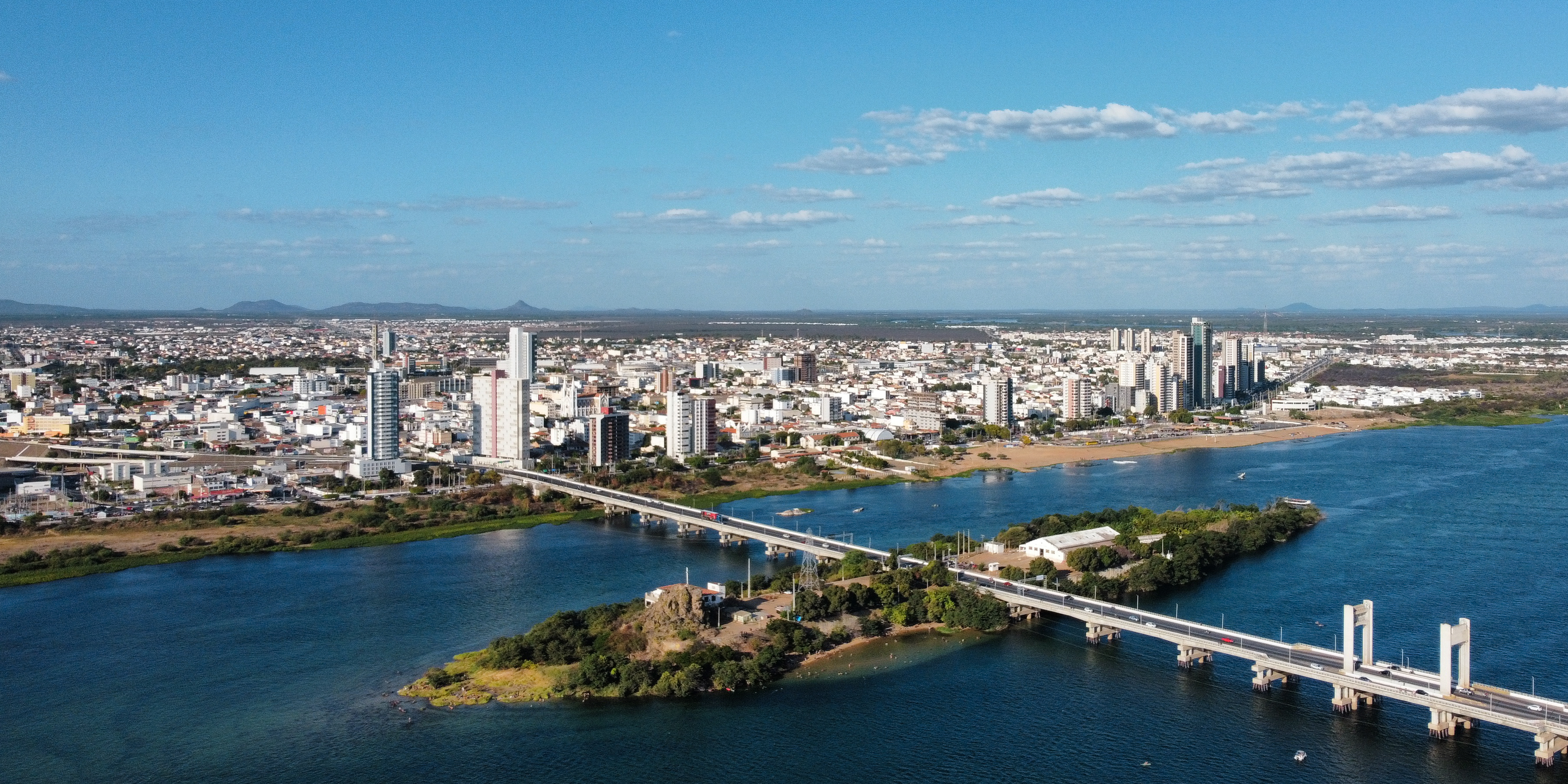
Petrolina sits in the arid interior of northeastern Brazil, a city of 175 thousand people at 376 m above sea level in the America/Recife timezone. The climate is arid, which means long dry stretches and intense sun rather than tropical humidity. Expats who settle here tend to gravitate toward the River Area, the popular neighborhood along the water. That small expat community gives the city a quieter, more local feel than the bigger coastal hubs.
Housing is where Petrolina stands out. A one-bedroom apartment in the city centre rents for $279/mo, while outside the centre it drops to $233/mo. Three-bedroom units run $585/mo in the centre and $412/mo outside it. Utilities add $68/mo, internet $12/mo, and a mobile phone plan $9/mo. A gym membership costs $19/mo. For a single adult, budget-tier living including rent totals $319/mo, mid-range $522/mo, and comfortable $668/mo. Excluding rent, a single person spends about $520/mo and a family of four about $1,850/mo. Eating out is affordable: $8 for an inexpensive restaurant meal per person, $60 for a mid-range three-course meal for two, and $3 for a cappuccino. The cost of living index is 41/100 against New York City at 100. Local wages are modest, with an average monthly net salary of $598/mo, so many residents live on far less than incoming expats spend.
Safety is moderate. The safety index is 53/100 and the crime index is 47/100, where lower is safer. Healthcare quality is rated fair, which means routine care is available but complex or specialized treatment may require travel. English proficiency is limited, so a little Portuguese goes a long way in daily life.
For stays, Brazil offers the VITEM XIV retirement visa with a minimum monthly income of $2,000/mo, and the Brazil Digital Nomad Visa with a minimum monthly income of $1,500/mo. The nearest airport is PNZ, 8 km away. Average internet speed is 45 Mbps, enough for remote work. The overall expat score is 73/100, the FIRE score is 75/100, the retiree score is 51/100, and the digital nomad score is 59/100. Petrolina suits budget-conscious long-stayers, remote workers, and early retirees who want low rent and a dry climate, while those needing strong healthcare or a large expat network may find it limiting.