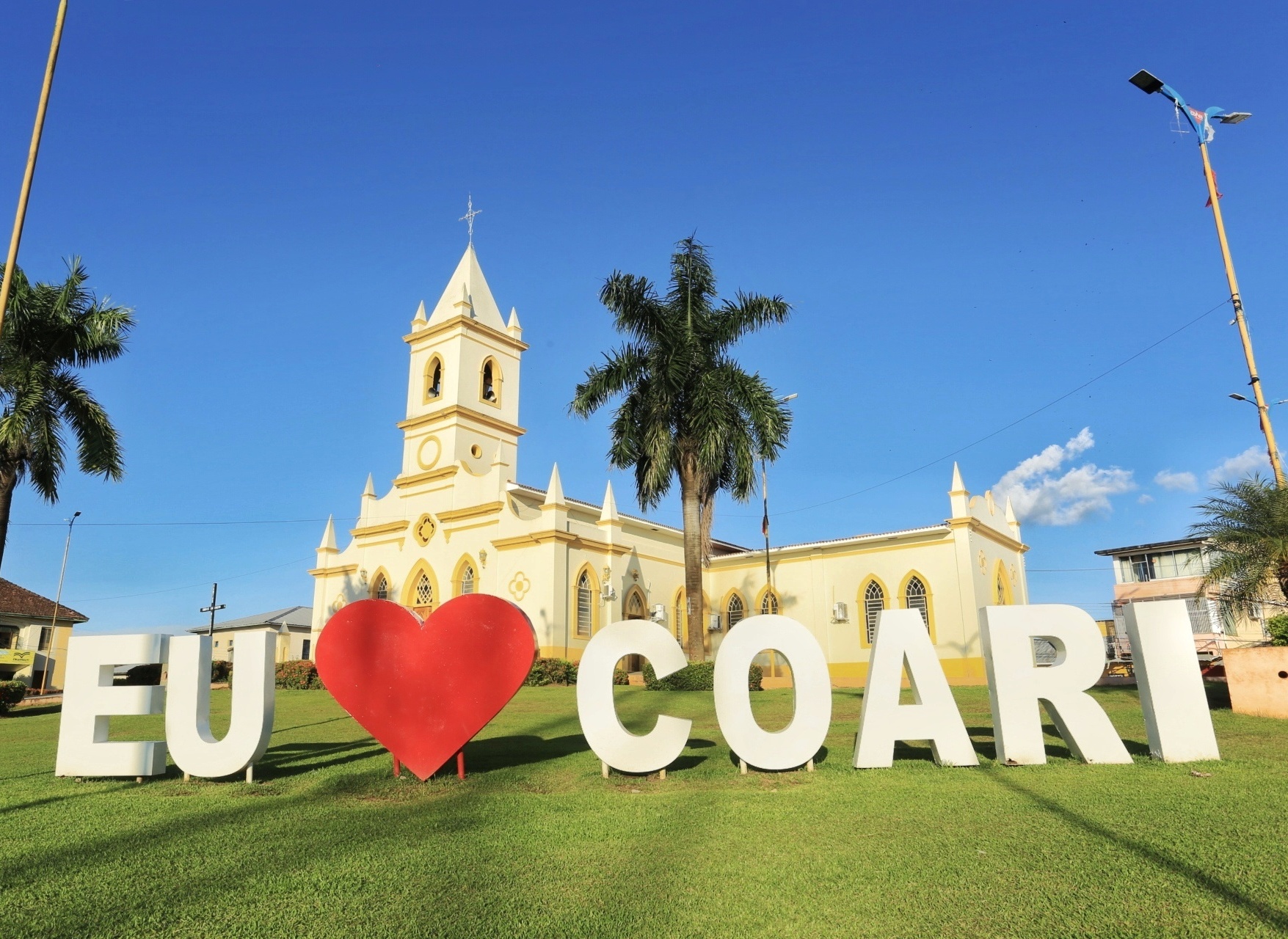
Coari sits in the heart of the Brazilian Amazon, a tropical city of 39 thousand people at just 40 m above sea level, where the climate stays warm and humid all year and the timezone is America/Manaus. The city is small enough that daily life unfolds at a manageable pace, and the surrounding rivers and rainforest define both the landscape and the rhythm of the seasons. Expats who settle here tend to look for housing either in the city centre or in the areas outside the centre, where the trade off is between proximity to services and lower rent.
Living costs in Coari are modest by global standards. A one bedroom apartment in the city centre rents for $263/mo, while the same outside the centre drops to $175/mo. Utilities run about $96/mo, a monthly public transport pass costs $32/mo, and a gym membership is $20/mo. An inexpensive restaurant meal is $5 per person, and a mid range restaurant meal for two with three courses comes to $15. For a single adult, the budget tier total including rent is $416/mo, the mid range tier is $553/mo, and the comfortable tier is $697/mo. Excluding rent, a single person spends around $460/mo according to the Numbeo summary.
Safety in Coari is moderate, with a safety index of 55/100 and a crime index of 45/100, where lower is safer. Air quality is good, with an index of 40 where lower is better. Healthcare quality is rated as fair, and English proficiency is limited, so a working knowledge of Portuguese makes everyday errands and medical visits much easier. The city has a population of 39 thousand, which means services are concentrated but accessible.
For longer stays, the retirement visa program is VITEM XIV, which requires a minimum monthly income of $2,000/mo. The Brazil Digital Nomad Visa requires a minimum monthly income of $1,500/mo. The nearest airport is CIZ, just 6 km away. Internet averages 10 Mbps, which is enough for basic tasks but not heavy data work. With an overall expat score of 57/100, a retiree score of 59/100, and a digital nomad score of 41/100, Coari suits retirees and slow travelers who value low costs and a quiet Amazonian setting over fast connectivity and a large international community.