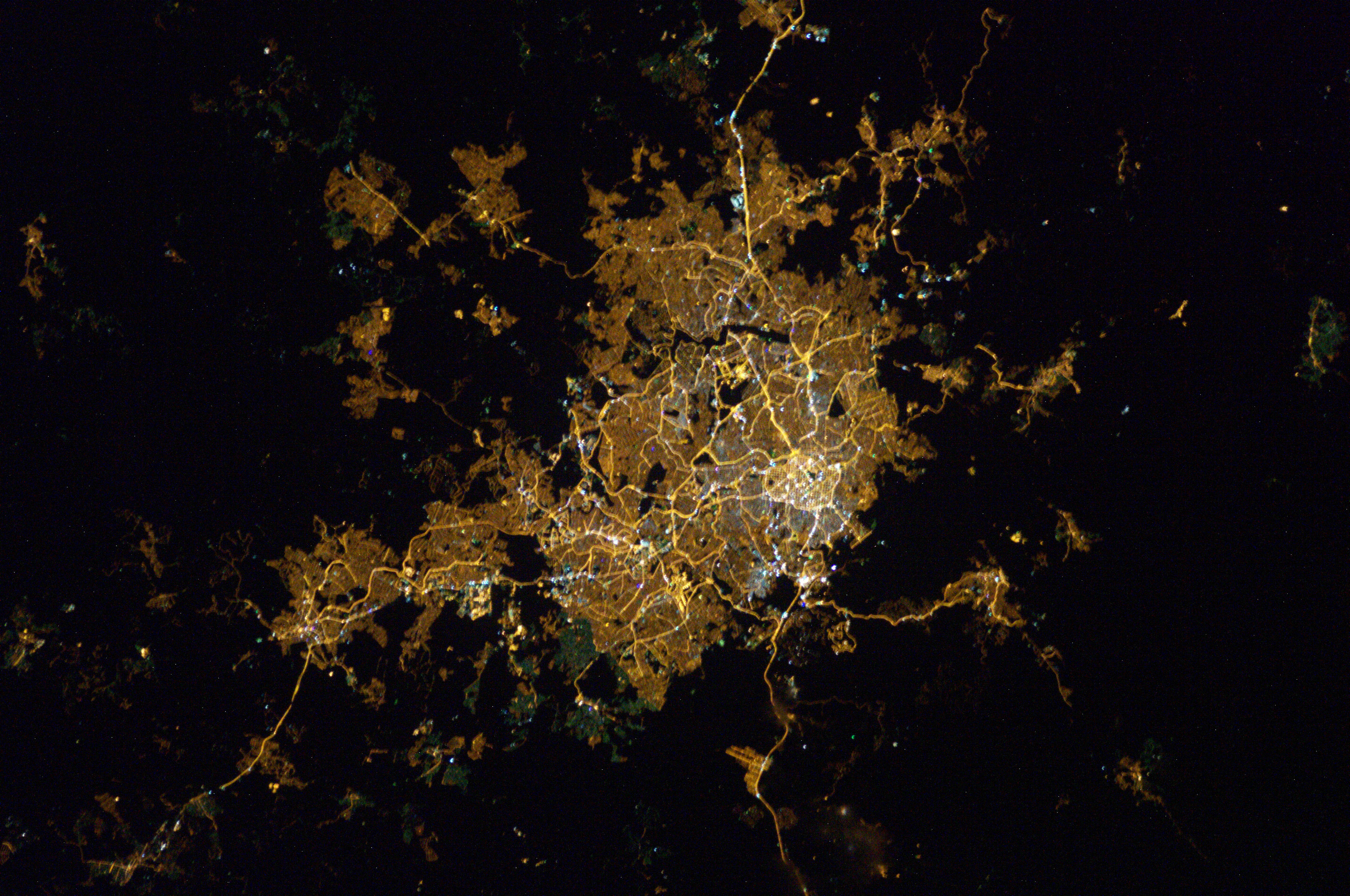
Campo Belo sits in the state of Minas Gerais at an elevation of 916 m above sea level, where the climate is subtropical and the clock follows America/Sao_Paulo. The city holds roughly 45 thousand residents, a scale that keeps daily life unhurried and personal. Expats who settle here tend to prize that calm, though the city does not name specific neighborhoods as foreigner enclaves, so newcomers choose their own streets based on proximity to work, markets, and schools rather than following a pre-set map.
Monthly costs are modest by almost any outside standard. A one-bedroom apartment in the city centre rents for $164/mo, while the same outside the centre drops to $128/mo. Utilities run $75/mo, internet $21/mo, and a mobile phone plan $10/mo. A gym membership costs $19/mo. Eating out is affordable: an inexpensive restaurant meal is $6 per person, a mid-range restaurant meal for two with three courses is $38, and a cappuccino is $2. A single adult can expect a budget tier total of $259/mo with rent included, a mid-range tier total of $366/mo, or a comfortable tier total of $454/mo. Excluding rent, a single person spends about $490/mo.
Safety is a mixed picture. The safety index stands at 45/100, and the crime index, where lower is safer, is 55/100. Air quality is moderate, with an index of 45. Healthcare quality is rated fair, which means routine care is accessible but complex or specialist treatment may require travel to a larger centre. Average internet speed is 25 Mbps, adequate for messaging and browsing, though heavy data work may test patience. The overall expat score is 57/100, with a retiree score of 59/100 and a digital nomad score of 46/100.
For longer stays, the retirement visa program is VITEM XIV, which requires a minimum monthly income of $2,000/mo. The Brazil Digital Nomad Visa requires a minimum monthly income of $1,500/mo. The nearest airport is VCP. English proficiency is limited, so a little Portuguese goes a long way. Campo Belo suits retirees and slow-living expats who value low rent, cheap meals, and a small-city rhythm, while digital nomads may find the connectivity and nomad score less generous than they need.