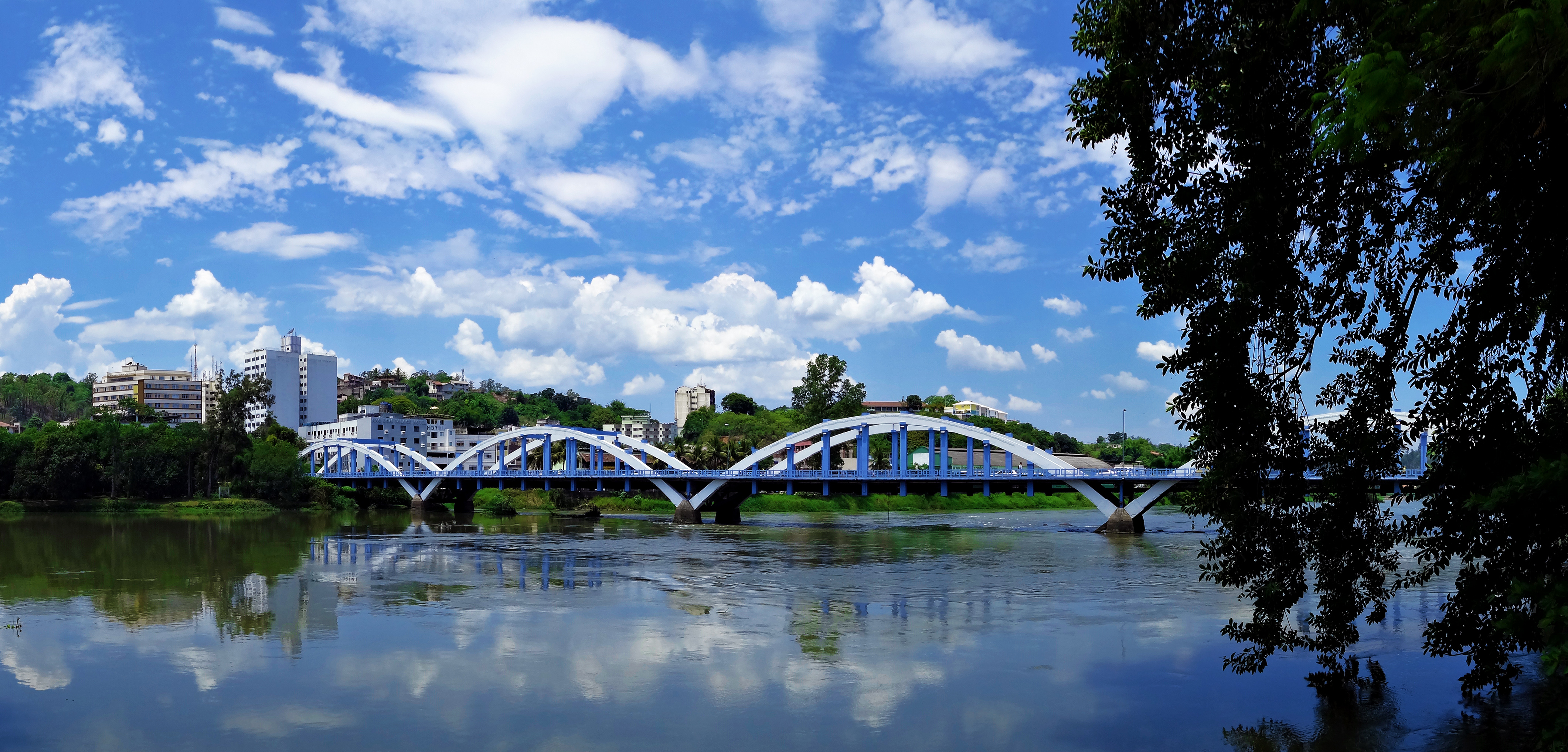
Barra Mansa sits in the state of Rio de Janeiro at an elevation of 352 m above sea level, within the America/Sao_Paulo timezone and a tropical climate that shapes daily life year round. The city holds a population of 172 thousand, and expats who settle here tend to choose Ano Bom or Centro, two central neighborhoods that put residents close to shops, services, and the rhythms of Brazilian small city living.
Living costs in Barra Mansa are modest by international standards. A one bedroom apartment in the city centre rents for $350/mo, while the same outside the centre costs $260/mo. Three bedroom units run $700/mo in the centre and $520/mo outside it. Utilities average $43/mo, internet $18/mo, and a mobile phone plan $14/mo. A single adult can expect a budget tier total of $353/mo with rent included, a mid range tier of $530/mo, or a comfortable tier of $709/mo. Excluding rent, a single person spends around $520/mo, and a family of four around $1,500/mo. Everyday prices stay low: an inexpensive restaurant meal is $7 per person, a mid range three course meal for two is $40, and a cappuccino is $2. The cost of living index is 38/100 against New York City at 100.
Safety in Barra Mansa is moderate, with a safety index of 60/100 and a crime index of 40/100, where lower is safer. Air quality is reasonable at an index of 45, where lower is better. Healthcare quality is rated Good, which matters for retirees and long stay residents who want dependable local medical services without travelling far. Average internet speed is 25 Mbps, adequate for browsing, streaming, and remote work, though not exceptionally fast.
For longer stays, the retirement visa program is VITEM XIV, requiring a minimum monthly income of $2,000/mo. The Brazil Digital Nomad Visa requires $1,500/mo. English proficiency is limited and the expat community is very few, so Portuguese helps enormously. The city scores 81/100 overall for expats, 83/100 for FIRE, 65/100 for retirees, and 58/100 for digital nomads. It suits budget conscious retirees, early retirees chasing a low cost base, and remote workers who value quiet over nightlife, not those who need a large international community or fast paced urban energy.