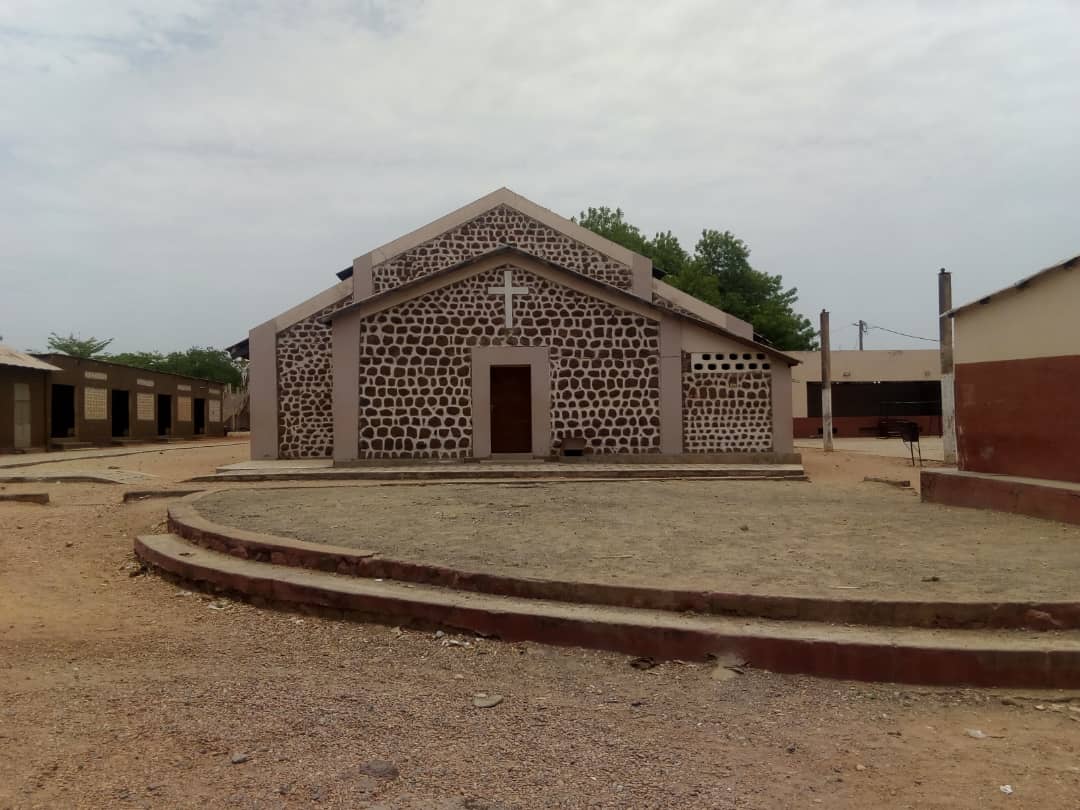
Kandi, Benin
Data updated Sep 3, 2026
📊 Scores
Cotton drives everything here — farmers grow it, the ginning facilities process it, and traders ship it south on the RNIE 2 highway. Agriculture employs most locals through cotton, maize, millet, and peanut cultivation, while iron deposits add some industrial activity. The regional administrative role creates government jobs, and Kandi's position as northern Benin's commercial hub supports transport and trading businesses. Expat work opportunities are extremely limited unless you're in agricultural development, NGO work, or have specific expertise in cotton processing.
Rent runs around $200 monthly for a basic one-bedroom in the center, though Western-standard housing is scarce. French is essential — local languages like Dendi dominate daily life, and English gets you nowhere. Healthcare means basic clinics locally, with serious cases requiring the 6-hour drive to Cotonou. Bureaucracy moves at typical West African pace, and the 40 safety index reflects real concerns about petty crime and regional instability spilling over from neighboring countries.
The tropical savanna climate brings intense dry seasons and heavy rains that turn roads into mud. Food centers on local staples like yam, rice, and millet-based dishes, with limited international options. Social life revolves around market days and traditional festivals, while the tiny expat community consists mainly of development workers and missionaries. Weekend activities mean visiting nearby villages or the occasional trip to Parakou. This suits development professionals and agricultural specialists willing to embrace genuine rural African living.
🏚️ Cost of Living
💰 Budgets and Costs
Grocery Basket
Eating Out
Utilities & Lifestyle
Housing
A 1BR in the center runs about $200/mo. If your income is in another currency, bank FX fees add up. A multi-currency account can cut that cost.
See low-fee transfersWe may earn a commission at no cost to you.
💰 Real Spend Reports
🛡️ Safety & Crime
(Higher is safer)
(Lower is safer)
Kandi presents moderate safety challenges typical of smaller West African cities. Petty theft, pickpocketing, and opportunistic robbery occur, particularly in markets and crowded areas; violent crime against expats is uncommon but not unheard of. Avoid displaying wealth, walking alone after dark, and the central market district late evening. Political stability is generally solid, though regional tensions in northern Benin warrant awareness. For a 30-65 American, Kandi is manageable with sensible precautions—not a high-risk posting, but requires more vigilance than major regional hubs like Cotonou.
Kandi has a safety index of 40/100. Petty theft and lost belongings are the most common problems for newcomers. Compare travel insurance before you go.
Compare travel insuranceWe may earn a commission at no cost to you.
🏥 Healthcare
🌤️ Climate
Best Months
Climate Notes
Kandi has a hot semi-arid climate with intense dry seasons (November-March) and a brief rainy season (May-September), featuring extreme summer heat reaching 41°C and mild winters around 16°C.
💻 Digital Nomad
Community Notes
| Name | Price/mo | Notes |
|---|---|---|
| Espace de Coworking Le Hub Kandi | $40 | A local coworking space in Kandi offering a collaborative environment. It provides basic amenities like Wi-Fi and meeting rooms, suitable for digital nomads looking for an affordable option in a central location. |
| Centre d'Incubation et de Formation aux Métiers (CIFM) Kandi | $35 | While primarily an incubation center, CIFM likely offers some coworking-style facilities. It's a good option for those seeking a more structured environment with potential access to training and mentorship programs, located within Kandi. |
Working remotely from Kandi? Nomad health insurance covers you across borders, month to month.
See nomad insuranceWe may earn a commission at no cost to you.
🧳 Expat Life
Expat Life Notes
Kandi is a regional capital in northern Benin. No expat community exists here outside of rare NGO staff passing through.
Pros
- ✓ Authentic northern culture
Cons
- ✗ Extreme heat
- ✗ Isolated
- ✗ Limited basic services
Could living/working in Kandi cut years off your work life?
With a 1-bedroom in the center at $160/mo, your FIRE number here might be much lower than you think.
Moving to Kandi? Estimate what an international move would cost and compare mover quotes.
Estimate my move costShare This Guide
Kandi won't stay this cheap forever.
Cost-of-living and visa updates for Kandi and the rest of Benin. Free with RA Postcards.
By submitting your email address, you will receive a free subscription to RA Postcards and special offers from Rewire Abroad and our affiliates. You can unsubscribe at any time, and we encourage you to read more about our Privacy Policy.