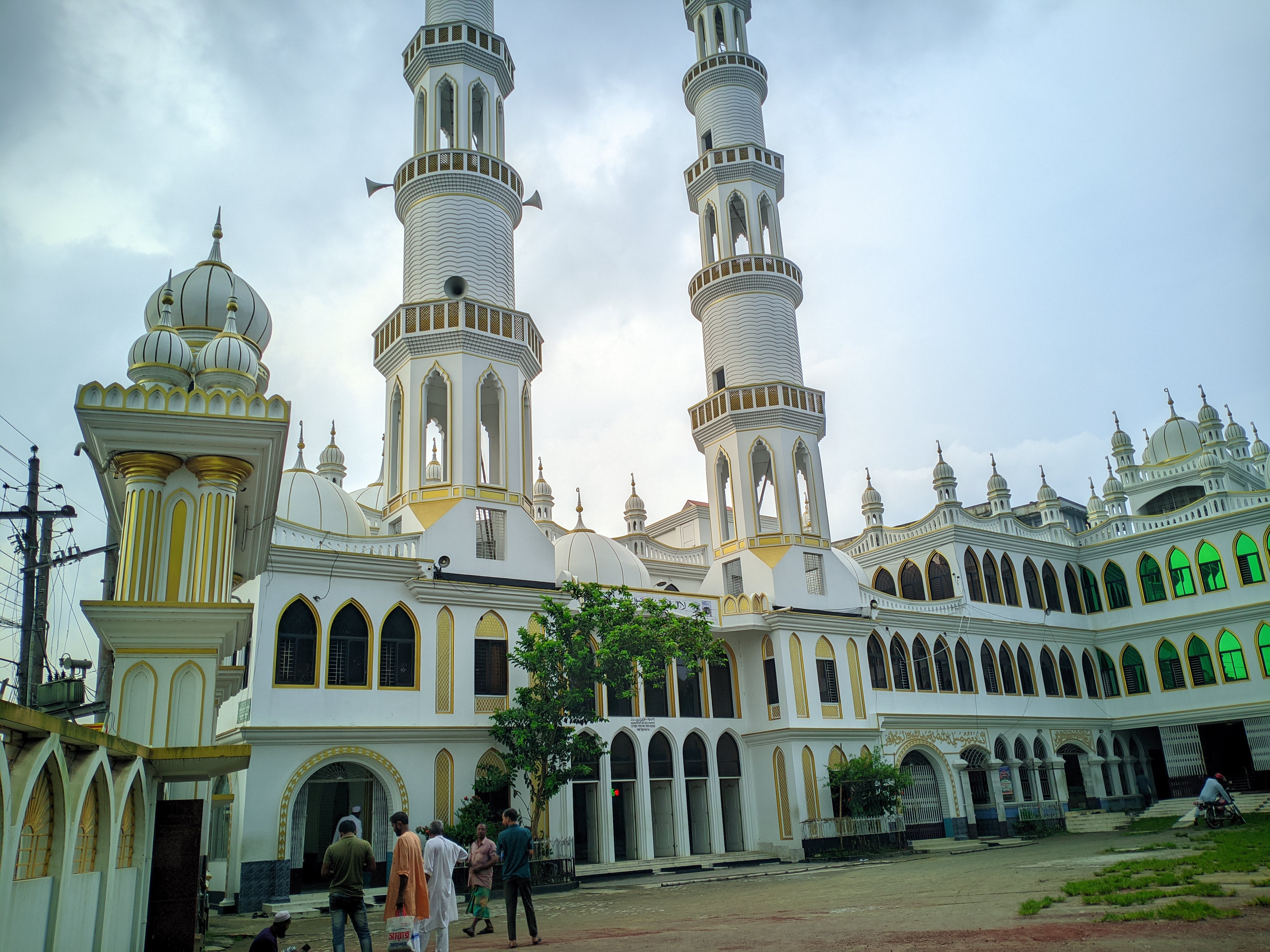
Sherpur, Bangladesh
Data updated Sep 29, 2026
📊 Scores
Best fit: FIRE / Geoarbitrage (score: 72)
Agriculture dominates the economic landscape, with rice, jute, and vegetable farming employing most residents alongside small-scale manufacturing and food processing. Local markets serve as commercial hubs where farmers sell produce and traders distribute goods to surrounding villages. Government jobs in district administration provide stable income for educated residents, while small businesses like tailoring, electronics repair, and transportation services fill gaps in the local economy. The job market remains limited for professionals seeking specialized roles, with most opportunities concentrated in agriculture, trade, or basic services.
Rent averages $100 monthly for a one-bedroom in the city center, making housing genuinely affordable even on local wages. Public transportation relies on rickshaws, auto-rickshaws, and buses connecting to Dhaka (3-4 hours by road), though services can be unreliable during monsoon flooding. Healthcare centers provide basic medical services, but serious conditions require travel to Mymensingh or Dhaka. Bengali fluency is essential for daily life as English speakers are rare outside educated circles. Government bureaucracy moves slowly, typical of rural Bangladesh, requiring patience for permits or official documents.
The subtropical monsoon climate brings intense heat and humidity from March to May, followed by heavy monsoon rains that can flood streets and disrupt transport. Local food centers around rice, fish curry, and vegetables, with limited international options beyond basic Chinese restaurants. Social life revolves around family gatherings, local festivals, and evening walks in small parks, while weekend entertainment options remain minimal. The expat community is virtually nonexistent, consisting mainly of NGO workers or researchers. This city suits Bangladeshi professionals seeking affordable living costs and slower pace, but lacks amenities for international residents.
🏚️ Cost of Living
💰 Budgets and Costs
Grocery Basket
Eating Out
Utilities & Lifestyle
Housing
A 1BR in the center runs about $100/mo. If your income is in another currency, bank FX fees add up. A multi-currency account can cut that cost.
See low-fee transfersWe may earn a commission at no cost to you.
💰 Real Spend Reports
🛡️ Safety & Crime
(Higher is safer)
(Lower is safer)
Sherpur presents significant safety challenges for Western expats. With a Safety Index of 30, petty theft, pickpocketing, and opportunistic crime are common concerns, particularly in crowded markets and public transport. Political instability and occasional civil unrest in Bangladesh add unpredictability. The city lacks robust infrastructure for expat support and medical emergencies. While violent crime targeting foreigners is rare, the combination of petty crime, limited law enforcement responsiveness, and general instability makes this unsuitable for most American retirees or remote workers seeking a secure, comfortable base.
Sherpur has a safety index of 30/100. Petty theft and lost belongings are the most common problems for newcomers. Compare travel insurance before you go.
Compare travel insuranceWe may earn a commission at no cost to you.
🏥 Healthcare
🌤️ Climate
Best Months
Climate Notes
Sherpur experiences a tropical climate with hot summers and mild winters, influenced by monsoon patterns typical of the region.
💻 Digital Nomad
Community Notes
| Name | Price/mo | Notes |
|---|---|---|
| Bangladesh Hi-Tech Park Authority | $30 | While not a traditional coworking space, the Bangladesh Hi-Tech Park Authority often has initiatives to support tech and innovation, potentially offering subsidized or low-cost desk space for startups and remote workers. Check for current programs in Sherpur; it's likely located in a central area. |
| Local Internet Cafe/Business Center | $20 | Many internet cafes and business centers in smaller Bangladeshi cities offer basic desk space and internet access on a monthly basis. These are often unadvertised, so inquire locally in the main commercial areas of Sherpur (e.g., near Thana Road) for availability and pricing. Expect basic amenities. |
Working remotely from Sherpur? Nomad health insurance covers you across borders, month to month.
See nomad insuranceWe may earn a commission at no cost to you.
🧳 Expat Life
Expat Life Notes
Sherpur is a rural district in northern Bangladesh. No expat community exists here.
Pros
- ✓ Scenic hills nearby
- ✓ Authentic village life
Cons
- ✗ Lack of infrastructure
- ✗ Remote
- ✗ Language barrier
Could living/working in Sherpur cut years off your work life?
With a 1-bedroom in the center at $60/mo, your FIRE number here might be much lower than you think.
Estimate the cost of moving to Sherpur, Bangladesh
Get a free moving cost estimate for moving to Sherpur, Bangladesh. Takes 10 seconds.
How much are you shipping?
When are you moving?
Powered by Sirelo. Free quotes from verified international movers.
Share This Guide
Sherpur won't stay this cheap forever.
Cost-of-living and visa updates for Sherpur and the rest of Bangladesh. Free with RA Postcards.
By submitting your email address, you will receive a free subscription to RA Postcards and special offers from Rewire Abroad and our affiliates. You can unsubscribe at any time, and we encourage you to read more about our Privacy Policy.