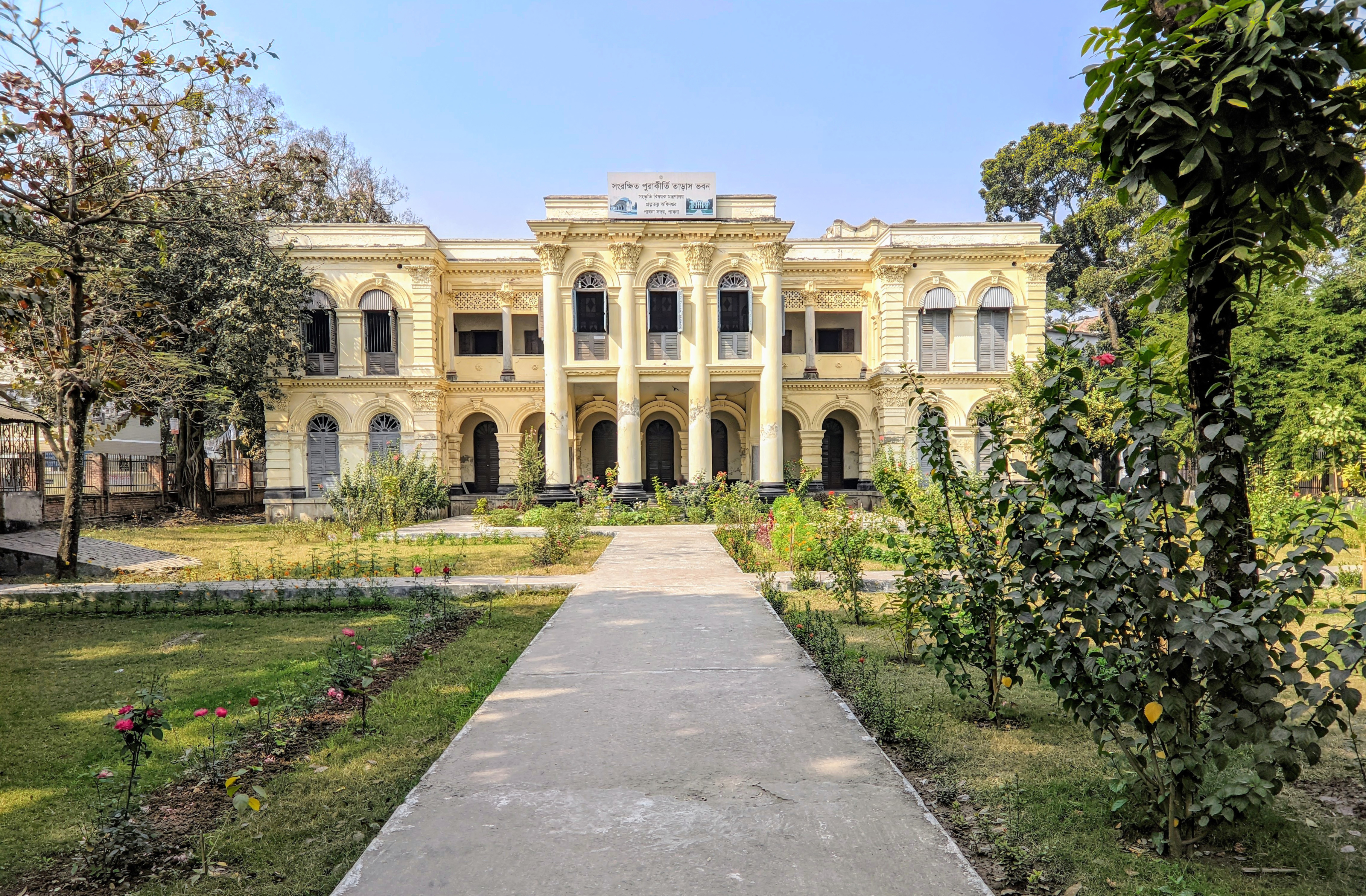
Pābna, Bangladesh
Data updated Sep 29, 2026
📊 Scores
Best fit: FIRE / Geoarbitrage (score: 74)
Agriculture dominates the economic landscape here, with rice, jute, and sugarcane driving most commercial activity through the fertile Padma River plains. Government administration provides steady employment as the district headquarters, while small-scale manufacturing and river transport create additional jobs. The 72.74% literacy rate suggests decent educational opportunities, but formal private sector jobs remain limited. Most locals work in farming, small trade, or government positions, with monthly incomes typically ranging $100-300.
Rent averages $180/month for a one-bedroom in the city center, though basic apartments start around $120. The new railway connection to Dhaka (5 hours, $3-5) beats the previous ferry-dependent routes, but local transport relies on rickshaws and CNGs. Healthcare means traveling to Rajshahi or Dhaka for serious issues. Bengali is essential—English gets you nowhere outside government offices. Bureaucracy moves at typical Bangladeshi pace, meaning patience and local connections help significantly.
The tropical monsoon climate brings heavy rains June through September, with pleasant winters but sweltering summers reaching 40°C. Food centers on rice, fish, and vegetables—decent local cuisine but limited international options. Social life revolves around family gatherings and local festivals, with virtually no expat community to speak of. Weekends mean visiting the Chalan Beel wetlands or taking river trips. This suits Bangladeshi professionals seeking affordable district-level living, not international expats.
🏚️ Cost of Living
💰 Budgets and Costs
Grocery Basket
Eating Out
Utilities & Lifestyle
Housing
A 1BR in the center runs about $40.57/mo. If your income is in another currency, bank FX fees add up. A multi-currency account can cut that cost.
See low-fee transfersWe may earn a commission at no cost to you.
💰 Real Spend Reports
🛡️ Safety & Crime
(Higher is safer)
(Lower is safer)
Pābna presents moderate safety challenges for expats. While violent crime against foreigners is uncommon, petty theft, pickpocketing, and scams targeting outsiders occur regularly in crowded markets and transportation hubs. Political unrest and occasional strikes can disrupt daily life. The city lacks robust infrastructure for emergency response. Expats should avoid displaying wealth, use registered taxis, and stay informed on local developments. It's manageable for experienced expats comfortable with South Asian urban environments, but not ideal for those seeking a relaxed, low-stress retirement setting.
Pābna has a safety index of 44/100. Petty theft and lost belongings are the most common problems for newcomers. Compare travel insurance before you go.
Compare travel insuranceWe may earn a commission at no cost to you.
🏥 Healthcare
🌤️ Climate
Best Months
Climate Notes
Pābna has a tropical monsoon climate with hot, humid summers (April-September reaching 40°C) and mild winters (December-February dropping to 9°C), featuring intense rainfall during monsoon season and high humidity year-round at 76%.
💻 Digital Nomad
Community Notes
| Name | Price/mo | Notes |
|---|---|---|
| Pabna IT Park | $40 | While primarily an IT park, it offers desk spaces and shared facilities suitable for remote workers. Located in the heart of Pabna, it provides a professional environment with reliable internet and potential networking opportunities with local tech professionals. |
| SpaceLab Bangladesh (Likely a local provider, details sparse) | $30 | SpaceLab Bangladesh appears to be a smaller, local coworking option. Check their Facebook page for current offerings. It may offer a more budget-friendly and community-focused environment, potentially located near the city center. |
Working remotely from Pābna? Nomad health insurance covers you across borders, month to month.
See nomad insuranceWe may earn a commission at no cost to you.
🧳 Expat Life
Expat Life Notes
Pabna is an industrial and psychiatric hub in Bangladesh with no established expat circle.
Pros
- ✓ Affordable local products
- ✓ Historic mental health facility
Cons
- ✗ Language barrier
- ✗ Dust and pollution
- ✗ Basic amenities
Could living/working in Pābna cut years off your work life?
With a 1-bedroom in the center at $32/mo, your FIRE number here might be much lower than you think.
Moving to Pābna? Estimate what an international move would cost and compare mover quotes.
Estimate my move costShare This Guide
Pābna won't stay this cheap forever.
Cost-of-living and visa updates for Pābna and the rest of Bangladesh. Free with RA Postcards.
By submitting your email address, you will receive a free subscription to RA Postcards and special offers from Rewire Abroad and our affiliates. You can unsubscribe at any time, and we encourage you to read more about our Privacy Policy.