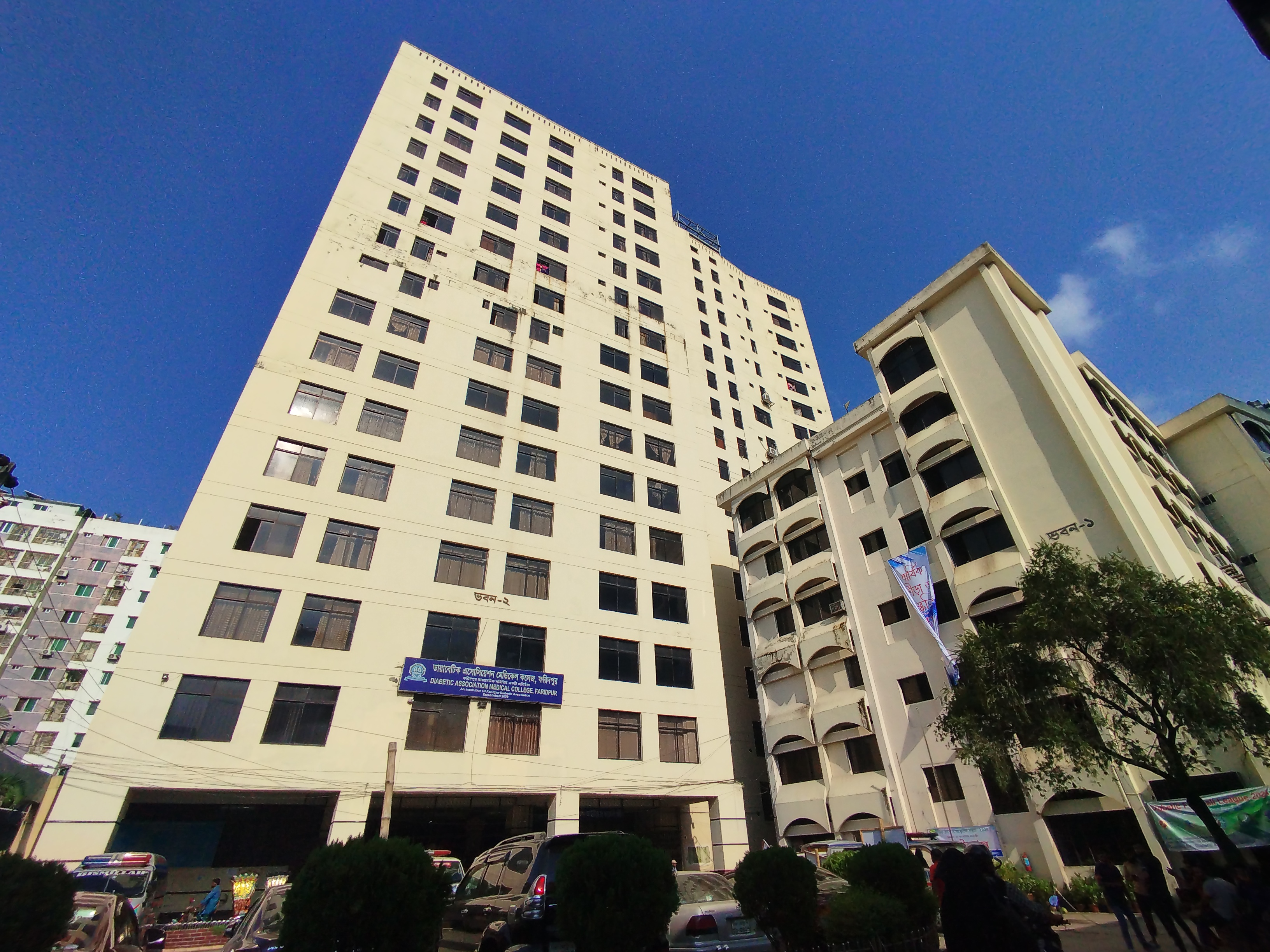
Farīdpur, Bangladesh
Data updated Sep 29, 2026
📊 Scores
Best fit: FIRE / Geoarbitrage (score: 73)
Agriculture and jute processing dominate the local economy, with textile manufacturing and small-scale industries providing additional employment. Government jobs are plentiful since this serves as district headquarters, offering stable but modest salaries. The wholesale markets drive much of the commercial activity, though opportunities for expats are extremely limited unless you're involved in development work or have specific agricultural expertise. Most locals earn $100-300 monthly, making this primarily a subsistence economy.
Rent averages $150/month for a decent 1BR in the city center, though Western-standard housing is scarce. Healthcare relies on basic government facilities with serious cases requiring trips to Dhaka, 2 hours away by road. Bengali is essential—English speakers are rare outside educated circles. Bureaucracy moves at typical Bangladeshi pace, meaning patience is mandatory for any official process. The monsoon floods streets regularly from June-September, disrupting daily life significantly.
Tropical heat and humidity dominate most of the year, with monsoon rains creating temporary relief but also flooding headaches. Local food centers on rice, fish, and vegetables—decent quality but limited variety. Social life revolves around family networks and religious gatherings, with virtually no expat community to speak of. Weekend activities mean visiting local markets or taking river trips on the Padma. This suits development workers or researchers studying rural Bangladesh, not lifestyle expats.
🏚️ Cost of Living
💰 Budgets and Costs
Grocery Basket
Eating Out
Utilities & Lifestyle
Housing
A 1BR in the center runs about $150/mo. If your income is in another currency, bank FX fees add up. A multi-currency account can cut that cost.
See low-fee transfersWe may earn a commission at no cost to you.
💰 Real Spend Reports
🛡️ Safety & Crime
(Higher is safer)
(Lower is safer)
Farīdpur presents moderate safety challenges for expats. While violent crime against foreigners is uncommon, petty theft, pickpocketing, and scams targeting outsiders occur regularly. Traffic accidents pose a significant risk due to chaotic road conditions. Political demonstrations and occasional communal tensions can flare unpredictably. The city lacks robust expat infrastructure and emergency services compared to Dhaka. Expats should avoid displaying wealth, use registered taxis, stay informed on local developments, and maintain low visibility. This is a difficult posting suitable only for those with prior Bangladesh experience and strong local networks.
Farīdpur has a safety index of 40/100. Petty theft and lost belongings are the most common problems for newcomers. Compare travel insurance before you go.
Compare travel insuranceWe may earn a commission at no cost to you.
🏥 Healthcare
🌤️ Climate
Best Months
Climate Notes
Farīdpur has a tropical monsoon climate with hot, humid summers (April-September, peaks at 40°C) and mild winters (November-February, lows around 10°C), with heavy rainfall during monsoon season making it one of Bangladesh's wettest regions.
💻 Digital Nomad
Community Notes
| Name | Price/mo | Notes |
|---|---|---|
| BASIS Institute of Technology & Management (BITM) - Co-working Space (Likely occasional availability) | $30 | While primarily a training institute, BITM sometimes offers co-working space. It's located centrally in Faridpur and provides a professional environment, though availability may vary. Good for those seeking a structured workspace. |
| Faridpur Chamber of Commerce and Industry - Business Center (Potential for ad-hoc rental) | $25 | The Faridpur Chamber of Commerce may offer temporary office space or desks within their business center. It's a formal setting suitable for business-oriented tasks. Check for availability and pricing for short-term rentals. |
Working remotely from Farīdpur? Nomad health insurance covers you across borders, month to month.
See nomad insuranceWe may earn a commission at no cost to you.
🧳 Expat Life
Expat Life Notes
Faridpur is a divisional headquarters city in central Bangladesh on the Padma River. It has very limited expat infrastructure. NGO and development workers are the primary foreigners.
Pros
- ✓ Affordable
- ✓ River access
- ✓ Divisional administrative services
Cons
- ✗ Very limited English
- ✗ Basic infrastructure
- ✗ Flooding risk
Could living/working in Farīdpur cut years off your work life?
With a 1-bedroom in the center at $90/mo, your FIRE number here might be much lower than you think.
Moving to Farīdpur? Estimate what an international move would cost and compare mover quotes.
Estimate my move costShare This Guide
Farīdpur won't stay this cheap forever.
Cost-of-living and visa updates for Farīdpur and the rest of Bangladesh. Free with RA Postcards.
By submitting your email address, you will receive a free subscription to RA Postcards and special offers from Rewire Abroad and our affiliates. You can unsubscribe at any time, and we encourage you to read more about our Privacy Policy.