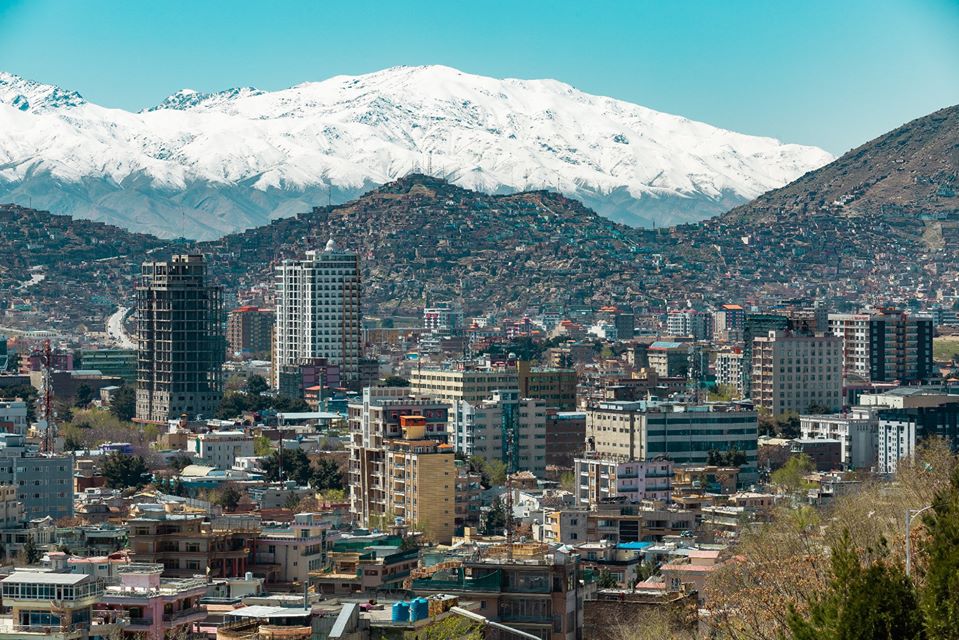
Kabul, Afghanistan
Data updated Sep 3, 2026
📊 Scores
Since August 2021, the formal economy has essentially collapsed. International sanctions froze Afghan central bank assets, the banking system largely stopped functioning, and most international organizations and NGOs — once major employers of educated Kabuli professionals — evacuated or drastically reduced operations. The informal economy and remittances from diaspora now keep most households afloat. Unemployment is estimated above 40% in urban areas. There is no realistic path to formal employment for foreign nationals, and even locals with professional credentials face a market that has almost no use for them.
A one-bedroom in the city center runs around $300/month, which sounds cheap until you factor in that reliable electricity requires a private generator, clean water often means purchasing it separately, and basic goods have become increasingly expensive due to currency devaluation and import disruption. There is no metro; you rely on informal taxis or private cars on roads that are poorly maintained and frequently congested. Healthcare infrastructure is critically degraded. The language barrier is real — Dari and Pashto dominate — and bureaucratic friction is the least of your problems: the legal and security environment makes normal expat life functionally impossible.
Winters are genuinely cold, dropping well below freezing, and the city sits in a bowl that traps pollution, making air quality in winter months seriously bad. Cultural life — music, cinema, mixed-gender public spaces — has been heavily suppressed since 2021. There is no functioning expat social scene; most foreign nationals present are security or humanitarian personnel operating under strict protocols. Weekends don't look like weekends anywhere else. Kabul in its current form suits essentially no one voluntarily relocating for lifestyle or financial independence — the only people here are those with a specific humanitarian or journalistic mission and institutional support behind them.
🏚️ Cost of Living
💰 Budgets and Costs
Grocery Basket
Eating Out
Utilities & Lifestyle
Housing
A 1BR in the center runs about $300/mo. If your income is in another currency, bank FX fees add up. A multi-currency account can cut that cost.
See low-fee transfersWe may earn a commission at no cost to you.
💰 Real Spend Reports
🛡️ Safety & Crime
(Higher is safer)
(Lower is safer)
Kabul presents severe safety challenges unsuitable for most expats. Beyond street crime—robbery, carjacking, and mugging are common—the city faces ongoing political instability, Taliban governance, and sporadic violence. Kidnapping of foreigners, though rare, remains a documented risk. Women face significant harassment and restricted freedoms under current rule. Infrastructure collapse, lack of reliable emergency services, and limited expat community support compound dangers. Unless you have security training, diplomatic connections, or NGO backing with armed protection, Kabul is not a viable relocation destination for remote workers or retirees.
Kabul has a safety index of 30/100. Petty theft and lost belongings are the most common problems for newcomers. Compare travel insurance before you go.
Compare travel insuranceWe may earn a commission at no cost to you.
🏥 Healthcare
🌤️ Climate
Best Months
Climate Notes
Continental semi-arid climate with large temperature swings and dry conditions.
💻 Digital Nomad
Community Notes
| Name | Price/mo | Notes |
|---|---|---|
| Oqaab Business Center | $150 | Located in the Shar-e-Naw area, Oqaab Business Center offers a professional environment with private offices and meeting rooms. It's a good option for those needing a more formal workspace and reliable internet in a central location. |
| Kardan University Incubation Center | $75 | While primarily an incubation center for startups, Kardan University's facility in Kabul may offer coworking options. It provides access to a network of entrepreneurs and resources, suitable for those interested in the local business scene and potentially more budget-conscious. |
Working remotely from Kabul? Nomad health insurance covers you across borders, month to month.
See nomad insuranceWe may earn a commission at no cost to you.
🧳 Expat Life
Expat Life Notes
Extremely challenging environment post-2021. Relocation is generally limited to specific diplomatic or humanitarian roles under strict security.
Pros
- ✓ Low cost of living
- ✓ Historic importance
Cons
- ✗ Severe safety and security risks
- ✗ Limited infrastructure
- ✗ Highly restrictive social environment
Could living/working in Kabul cut years off your work life?
With a 1-bedroom in the center at $300/mo, your FIRE number here might be much lower than you think.
Moving to Kabul? Estimate what an international move would cost and compare mover quotes.
Estimate my move costShare This Guide
Kabul won't stay this cheap forever.
Cost-of-living and visa updates for Kabul and the rest of Afghanistan. Free with RA Postcards.
By submitting your email address, you will receive a free subscription to RA Postcards and special offers from Rewire Abroad and our affiliates. You can unsubscribe at any time, and we encourage you to read more about our Privacy Policy.