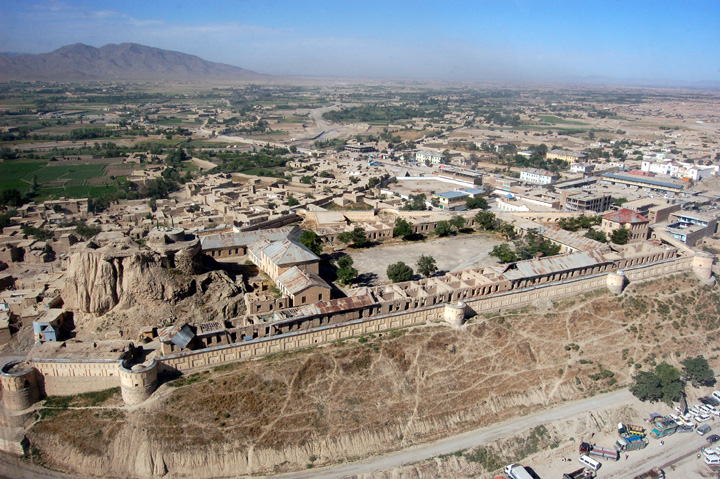
Gardez, Afghanistan
Data updated Sep 3, 2026
📊 Scores
Trade dominates Gardez's economy—it's a commercial crossroads where goods move between Kabul, Khost, and beyond. Agriculture employs significant portions of the population, with wheat and livestock central to regional output. Government jobs, small retail, and services fill gaps. Most expats here work for NGOs, development organizations, or international agencies rather than private sector roles. The economy is cash-based, informal, and heavily dependent on regional stability.
Rent runs $120–200/month for a basic one-bedroom; utilities add another $30–50. Transport is donkey carts, shared taxis, and motorcycles—no formal public transit. Healthcare is basic; serious issues require travel to Kabul (2–3 hours by road). Dari and Pashto dominate; English is rare outside educated circles. Bureaucracy is opaque and slow. Security clearances, residency permits, and banking are all friction points. Winter brings heavy snow and road closures above 2,300 meters elevation.
Winters are brutal (below freezing, heavy snow); summers are dry and mild. Food is simple—bread, rice, meat, dried fruits. Social life revolves around work colleagues and NGO circles; tourist infrastructure doesn't exist. The expat community is tiny and transient, mostly aid workers on 1–2 year contracts. Weekends mean hiking, reading, or internal travel to Kabul. Gardez suits only those committed to development work or research who can tolerate isolation, security concerns, and genuine hardship.
🏚️ Cost of Living
💰 Budgets and Costs
Grocery Basket
Eating Out
Utilities & Lifestyle
Housing
A 1BR in the center runs about $120/mo. If your income is in another currency, bank FX fees add up. A multi-currency account can cut that cost.
See low-fee transfersWe may earn a commission at no cost to you.
💰 Real Spend Reports
🛡️ Safety & Crime
(Higher is safer)
(Lower is safer)
Gardez is a provincial capital in a volatile region with significant security concerns unsuitable for most expats. The low Safety Index reflects ongoing Taliban presence, sporadic violence, and limited government control outside city center. Risks include armed conflict, kidnapping, extortion, and unpredictable checkpoints. Infrastructure for expat support is minimal. Unless you have security clearance, military/NGO affiliation, or deep local connections, this city presents unacceptable risks for remote workers or retirees. Strongly avoid.
Gardez has a safety index of 35/100. Petty theft and lost belongings are the most common problems for newcomers. Compare travel insurance before you go.
Compare travel insuranceWe may earn a commission at no cost to you.
🏥 Healthcare
🌤️ Climate
Best Months
Climate Notes
Gardez has a continental climate with hot, dry summers (33°C) and severely cold winters (-23°C), offering brief pleasant periods in spring (March-May) and fall (September-October) for expats.
💻 Digital Nomad
Community Notes
| Name | Price/mo | Notes |
|---|---|---|
| Khost Business Incubation Center (KBIC) | $30 | While technically in neighboring Khost, KBIC is the closest established business support center. It offers basic office facilities and internet access, making it a viable option for remote workers willing to travel slightly. It is located near Khost University. |
| Paktia University Incubation Center (Proposed) | $20 | Paktia University in Gardez has plans for an incubation center. While not yet fully operational, it represents a potential future coworking option. Check with the university for updates on availability and services. |
Working remotely from Gardez? Nomad health insurance covers you across borders, month to month.
See nomad insuranceWe may earn a commission at no cost to you.
🧳 Expat Life
Expat Life Notes
A historic city in eastern Afghanistan. Currently, it is not a recommended destination for expats due to severe security risks and lack of infrastructure.
Pros
- ✓ Historic significance
Cons
- ✗ High security risk
- ✗ Limited infrastructure
- ✗ Extreme poverty
Could living/working in Gardez cut years off your work life?
With a 1-bedroom in the center at $72/mo, your FIRE number here might be much lower than you think.
Moving to Gardez? Estimate what an international move would cost and compare mover quotes.
Estimate my move costShare This Guide
Gardez won't stay this cheap forever.
Cost-of-living and visa updates for Gardez and the rest of Afghanistan. Free with RA Postcards.
By submitting your email address, you will receive a free subscription to RA Postcards and special offers from Rewire Abroad and our affiliates. You can unsubscribe at any time, and we encourage you to read more about our Privacy Policy.