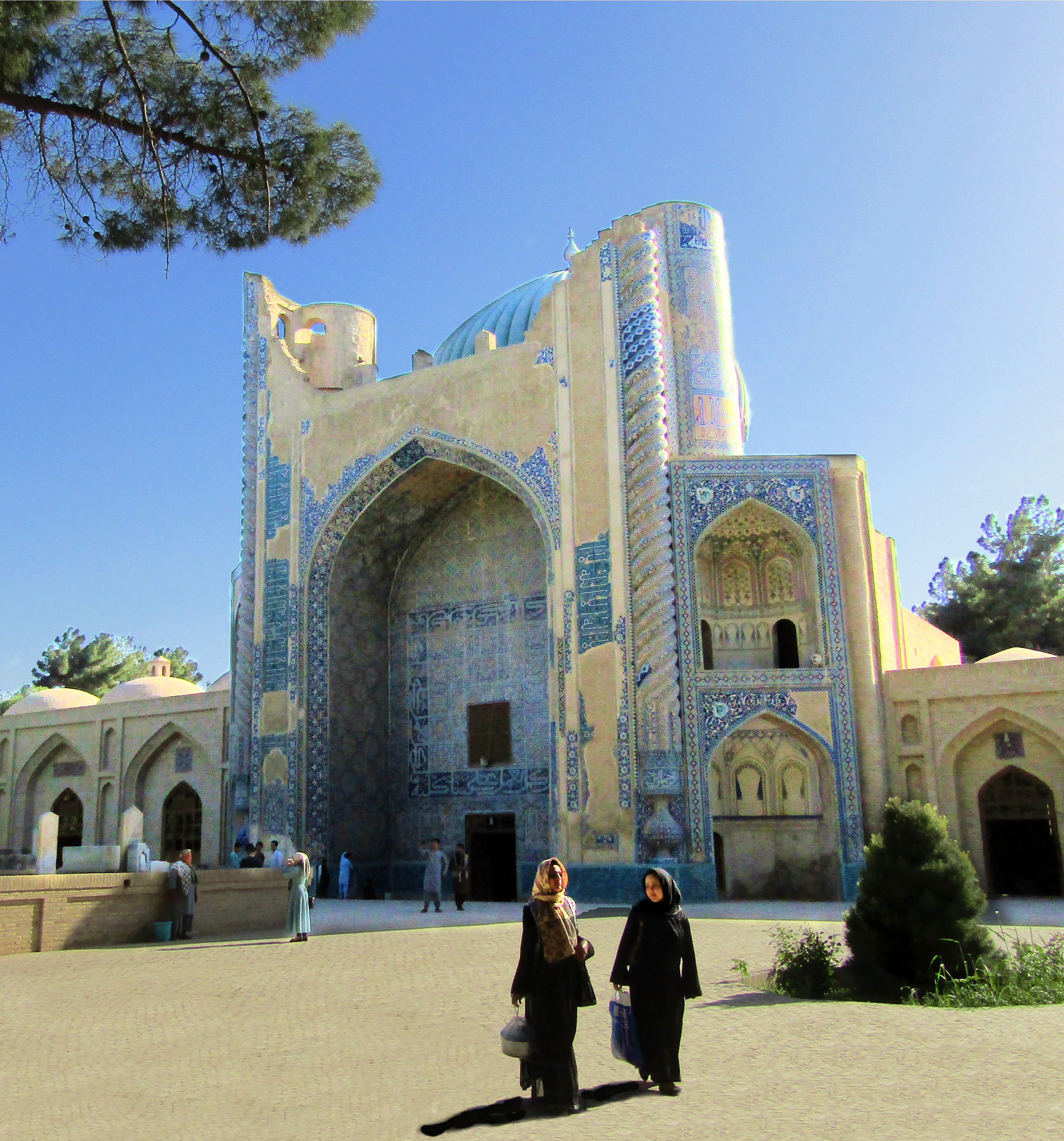
Balkh sits in northern Afghanistan at 365 m above sea level, in an arid climate that brings hot summers and cold winters to a city of 77 thousand people. The timezone is Asia/Kabul. Expats who settle here generally choose central districts, where daily life clusters around the historic core and the bazaar. The city is compact enough that most errands are done on foot or by short taxi rides, and the low skyline means the surrounding plains are always visible. Internet runs at an average of 7 Mbps, which is enough for messaging and basic browsing but not for heavy streaming or large file transfers.
Housing is the clearest bargain. A one bedroom in the city centre rents for $140/mo, while a three bedroom in the same area goes for $260/mo. Outside rent, a single person spends about $290/mo, and a family of four spends about $820/mo. The cost of living index is 19/100 against a New York baseline of 100, which places Balkh among the cheapest cities in the world for everyday expenses. Local wages are not part of the picture here, so the practical question is whether your income comes from abroad or from remote work, because domestic salaries in the region are unlikely to stretch far even against these low prices.
Safety is the dominant concern. The safety index is 28/100 and the crime index is 72/100, meaning residents and visitors alike treat personal security as a daily consideration rather than an afterthought. Healthcare quality is poor, so anyone with ongoing medical needs should plan for treatment outside the city and keep a supply of essential medications on hand. Air quality is another strain, with an index of 120 that reflects dust and particulate matter common to arid northern Afghanistan. The overall expat score of 49/100 captures this mixed reality: affordable and historically rich, but demanding in ways that go beyond cost.
Visas are handled through the usual channels for Afghanistan, and there is no named program to point to here. The nearest airport is MZR, 29 km away, which connects Balkh to domestic and limited regional routes. English proficiency is limited, so learning basic Dari or Pashto makes daily interactions far easier. The city suits slow travelers, budget retirees, and long-stay visitors who prioritize low costs and deep history over comfort and connectivity. The FIRE score of 74/100 is the strongest signal for those chasing financial independence, while the retiree score of 37/100 and digital nomad score of 43/100 suggest that most remote workers and older expats will find the tradeoffs steep.