Switzerland Self-Employed Residence Permit
Switzerland · Europe
Data updated Sep 3, 2026
Processing Time
~12 wks
Difficulty
Moderate
Duration
12 months
Path to Citizenship
10 years
Overview
Switzerland’s Self-Employed Residence Permit is built around one core test: can you credibly operate a genuine business in Switzerland as a self-employed person, rather than as a disguised employee. There is no fixed minimum monthly income or savings threshold in CHF; the requirement is qualitative rather than numeric. In practice, cantonal authorities want to see a realistic business plan, contracts or letters of intent from clients, and enough financial backing to cover living costs plus health insurance, which is explicitly required under this visa.
There is no fixed minimum investment amount, investment type, application fee, or renewal cost for this self-employed route. That pushes most of the friction into proving “real” self-employment: multiple clients, entrepreneurial risk, your own tools, and AVS/AHV registration as independent. If your main economic life is actually remote employment for one foreign company, authorities can reclassify the relationship as employment and refuse the permit, even if the contract calls you a freelancer. As of 2026, processing time is at least 12 weeks, so you should expect at least a 3‑month gap between filing and a decision, with cantonal review as the critical step.
This permit is renewable, leads to permanent residence after 5 years, and leads to citizenship after 10 years, which matters for anyone planning a long-term relocation. This permit follows a 1‑year initial validity, renewable on proof of ongoing activity, with permanent residence available after 5 years and citizenship after 10 years. The path to PR or citizenship under this self-employed category is confirmed, though specific requirements should still be checked canton by canton.
Local work is limited to self-employed activity. That means you cannot treat this as a “paper residency” while spending 10–11 months a year elsewhere; tax and migration authorities will look at where you actually live and work. Since local work permission is listed only as “self_employed,” expect your permit to be restricted to your own business activity in Switzerland rather than open employment.
The bureaucratic load is surprisingly low on paper: no apostille, no FBI background check, no medical exam, and no interview are required according to the program rules, and the bureaucracy score is only 1/5. The real difficulty is substantive rather than procedural: showing that your self-employed activity is viable, credible to the canton, and aligned with AVS/AHV social security classification, inside a 12‑week processing cycle.
This route makes the most sense if you can document, for example, CHF‑equivalent $6,000–$8,000/month in projected invoices from multiple clients and are ready to center your business life in Switzerland for several years. It is a poor fit if your reality is $4,000/month as a de‑facto full‑time remote employee for one foreign company, or if you need guaranteed PR or citizenship timelines before committing capital and lifestyle to Switzerland.
Eligibility Requirements
Any nationality can apply in principle for the Switzerland Self-Employed Residence Permit; the VISA FACTS list nationality restrictions as “all,” meaning there is no published nationality bar for this category. In practice, applicants from sanctioned or highly scrutinized countries such as Iran, Syria, North Korea, Russia, and sometimes Cuba can encounter banking hurdles, enhanced security checks, or de facto refusals even when the law allows filing. Before assembling a full document package, verify your individual eligibility and current practice directly with the Swiss State Secretariat for Migration (SEM) or the relevant cantonal migration authority.
Duration
12 months
Self-Employed
Requirements Checklist
• Identity: Valid passport (original, meeting Swiss validity requirements); recent biometric passport photos (as per Swiss specifications).
• Forms: Completed long-stay visa D application form; completed cantonal self-employment/permit application forms.
• Financial: Recent personal bank statements showing sufficient savings; business bank statements (if applicable); income statements or tax returns for recent years; proof of available start-up capital.
• Employment: Detailed business plan for self-employment in Switzerland (services, market analysis, pricing, 3–5 year financial projections); evidence of existing or prospective clients/contracts; invoices or offers demonstrating ongoing business activity; professional CV.
• Qualifications: Diplomas and academic certificates; professional licences or registrations (if applicable); letters of professional reference.
• Background: Police clearance certificate or certificate of good conduct from country of residence.
• Health: Proof of health insurance valid in Switzerland (or undertaking to obtain Swiss health insurance upon arrival, as required by the canton).
• Accommodation: Rental contract, property purchase deed, or written confirmation of accommodation in Switzerland.
• Civil status: Marriage certificate (if applicable); birth certificates for accompanying children (if applicable).
• Other: Authorization/approval for self-employment issued by the competent cantonal authority (original or copy); proof of payment of visa fees.
• Translation: Certified translations into German, French, or Italian of all civil status, police, financial, and qualification documents not originally in an official Swiss language or English, if required by the canton.
Tax Information
Local tax regime and what it means for you
Switzerland taxes residents on worldwide income under a residence-based system, not a territorial, remittance-based, or special non-dom regime. A holder of a Self-Employed Residence Permit who becomes tax resident is taxed on self-employment profits, remote salary, foreign ETF dividends, foreign rental income, and pensions, subject to federal, cantonal, and communal rates. This permit does not carry a separate tax regime, so you should assume standard Swiss rules rather than a special expat flat tax.
For FIRE investors, this means that withdrawals from foreign brokerage accounts and rental income from property abroad fall within the Swiss tax net once you are resident. Pension income and US Social Security is exempt under the US-Switzerland tax treaty, so pension income is fully reportable under ordinary rules. Income sources allowed for immigration purposes vary by permit type, but once resident, all income sources are relevant for tax.
Capital gains on foreign investments are a key concern. Switzerland does not levy capital gains tax on private individuals for securities such as foreign ETFs or index funds, provided you are not classified as a professional trader. Under general Swiss practice, private investment capital gains can be tax-free while professional trading gains are taxable, and professional-trader classification should still be confirmed with the cantonal tax office.
Tax residency triggers are not tied to this specific permit category. Switzerland commonly treats individuals as tax resident when they move their center of life to Switzerland or spend substantial time (often quoted as 183 days or more) in the country, but this threshold is not explicitly given here. Visa grant alone does not guarantee or avoid tax residency; the practical trigger is where you actually live and run your self-employment.
Local filing mechanics are not detailed for this specific permit category. In practice you can expect to register with the local commune, obtain a tax number, and file annual returns to federal and cantonal authorities once resident, but exact deadlines, prepayments, and social security coordination should be confirmed with local authorities.
Switzerland and the United States have an income tax treaty that addresses Social Security, dividends, and pensions, though the scope of protections varies by income type and should be checked against the current treaty text. You should still confirm the scope of treaty coverage for your specific income streams before relying on it.
For US Citizens and Green Card Holders
US citizens and green card holders on a Swiss Self-Employed Residence Permit remain fully taxable by the IRS on worldwide income, regardless of Switzerland’s regime. Self-employed consulting or freelance income can be sheltered in part by the Foreign Earned Income Exclusion (FEIE) on Form 2555, with a 2026 limit of $132,900 of earned income only. FEIE does not cover portfolio dividends, capital gains from brokerage accounts, rental income, pension distributions, or Social Security, all of which remain fully reportable to the IRS.
This permit is designed for self-employment, so FEIE can matter if you physically base yourself in Switzerland and meet either the Physical Presence Test (330 full days outside the US in any rolling 12‑month period) or the Bona Fide Residence Test (a full calendar year with a settled residence abroad). If you intend to split life between the US and Switzerland in a way that keeps you under 330 non‑US days, FEIE will not fully apply and you will lean more on foreign tax credits.
Foreign Tax Credits (FTC) via Form 1116 become central once you are taxed in Switzerland on the same income. FTC only helps when the effective Swiss tax rate on a given income stream is equal to or higher than the US rate. If a particular stream ends up lightly taxed or untaxed in Switzerland (for example, if your investing pattern qualifies as non-taxable private capital gains at cantonal level), the FTC gives little or no shelter for that stream, and US tax can dominate.
FBAR (FinCEN 114) and FATCA Form 8938 obligations apply separately from income tax. FBAR is triggered when the aggregate value of foreign financial accounts (Swiss bank accounts, brokerages, and certain pensions) exceeds $10,000 at any point in the year. Non‑willful penalties start at approximately $16,700 per violation as of 2026, adjusted annually for inflation. This visa does not require a local bank account, but many cantons and insurers will expect one in practice, so most successful applicants will cross the foreign-account threshold quickly and need consistent FBAR and Form 8938 compliance.
For this visa profile, the right advisory stack is specific: a US CPA who specializes in expat taxation (FEIE, FTC, FBAR, FATCA, self-employment) plus a Swiss tax adviser in your canton who understands self-employed filings and how your investing pattern is classified. The $1,500–$3,000 spent in year one on coordinated advice commonly pays for itself via correct FEIE/FTC elections, optimized business structuring, and avoidance of FBAR and Swiss filing penalties.
Living in Switzerland
COL Index vs NYC
98.4
Monthly Cost (excl. rent)
$1,724
1BR Rent (City Center)
$2,030
Safety Index
73.5
Healthcare Index
71.5
Quality of Life Index
205.0
Time Zone
UTC+01:00
Capital
Bern
Population
8.7M
Official Languages
French, Swiss German, Italian, Romansh
Avg Internet Speed
480 Mbps
Public Transit Quality
Excellent
With a budget covering rent and living costs, you'd need roughly $3,754/mo for a comfortable single-person lifestyle in Switzerland.See how far your money goes →
🏙️ Best Cities in Switzerland for Freelancers
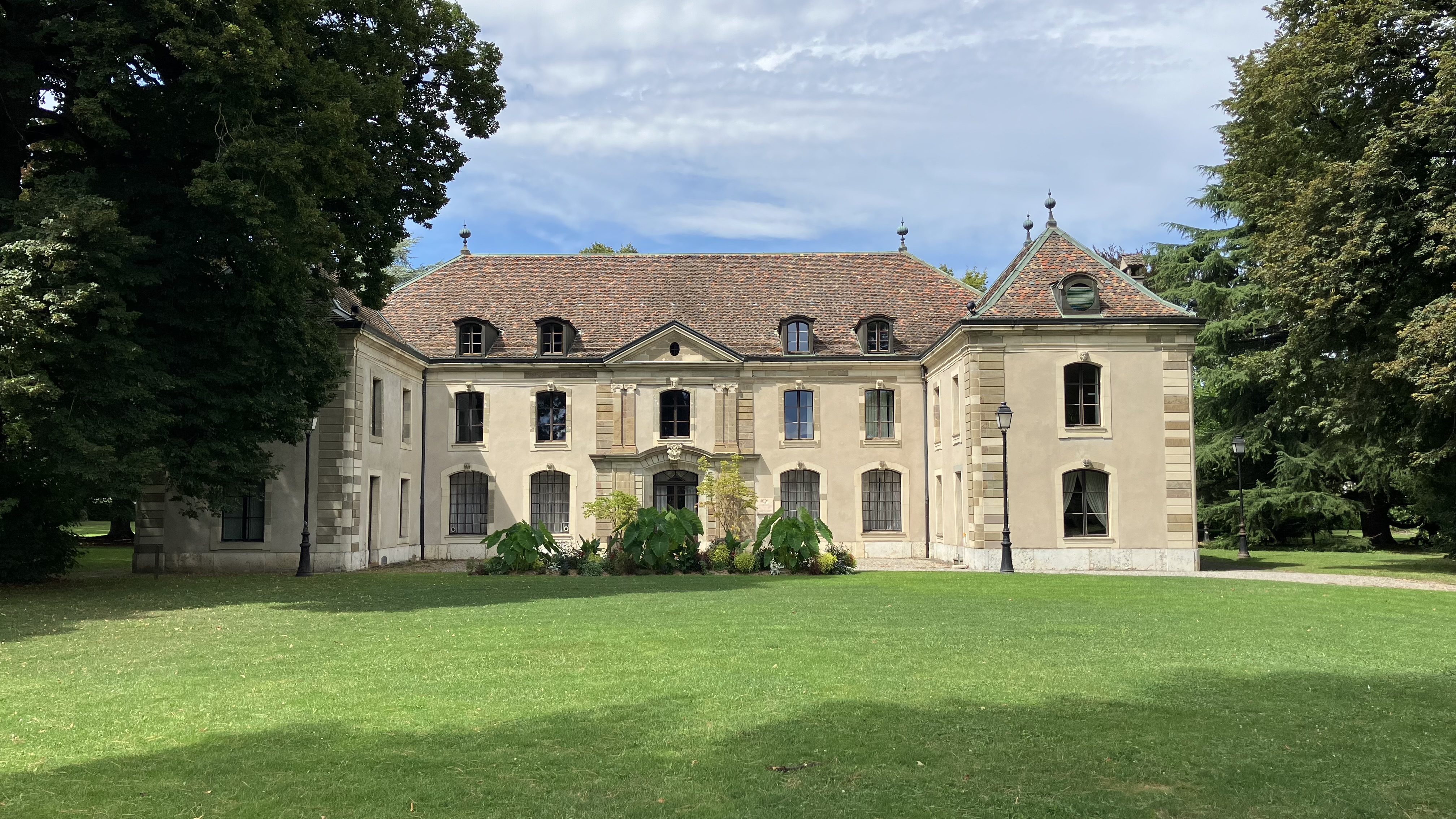 ✦ 75
✦ 75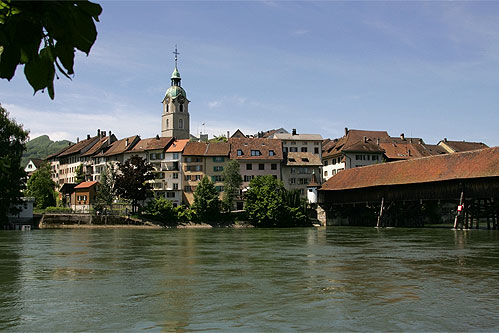 72
72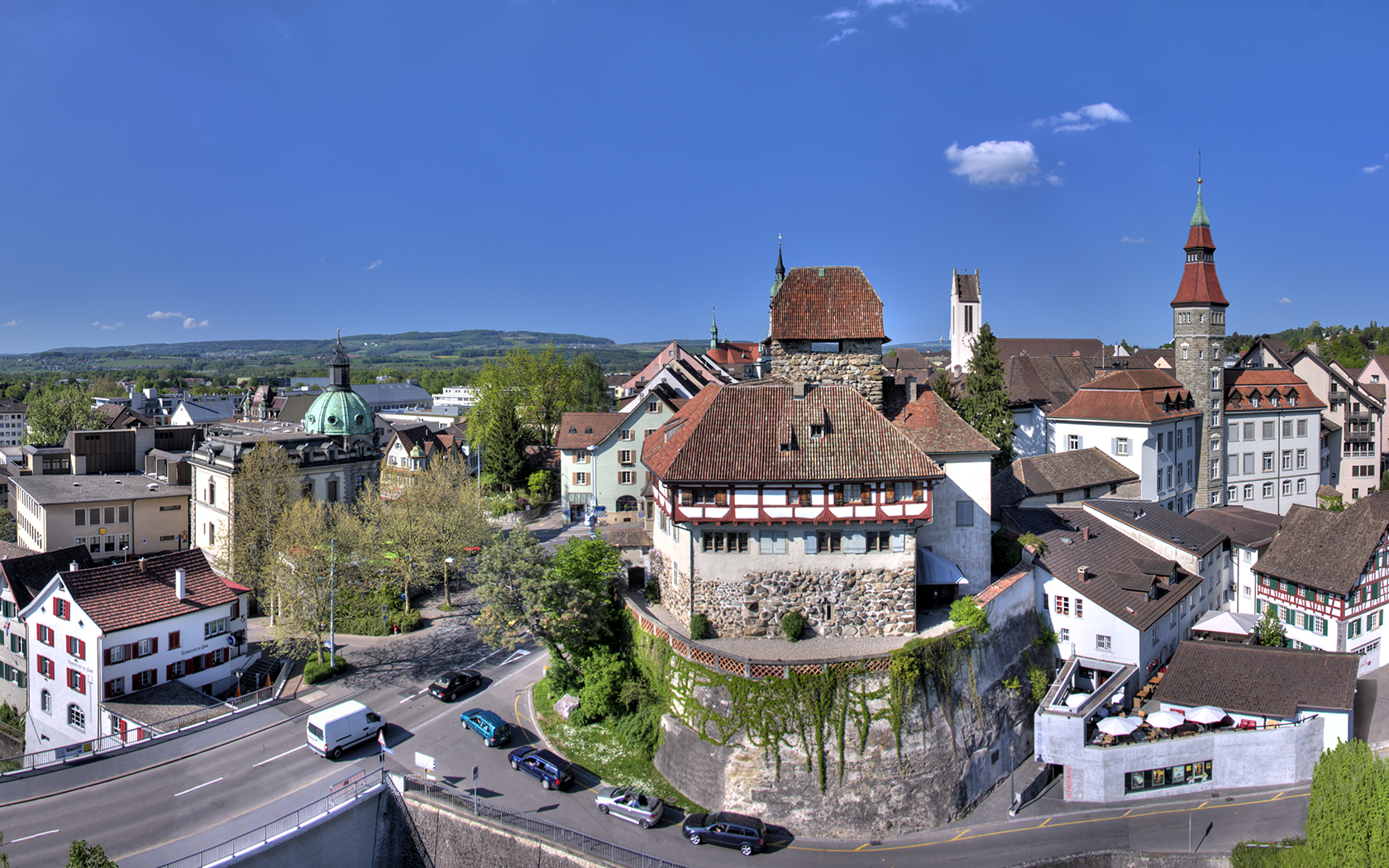 ✦ 79
✦ 79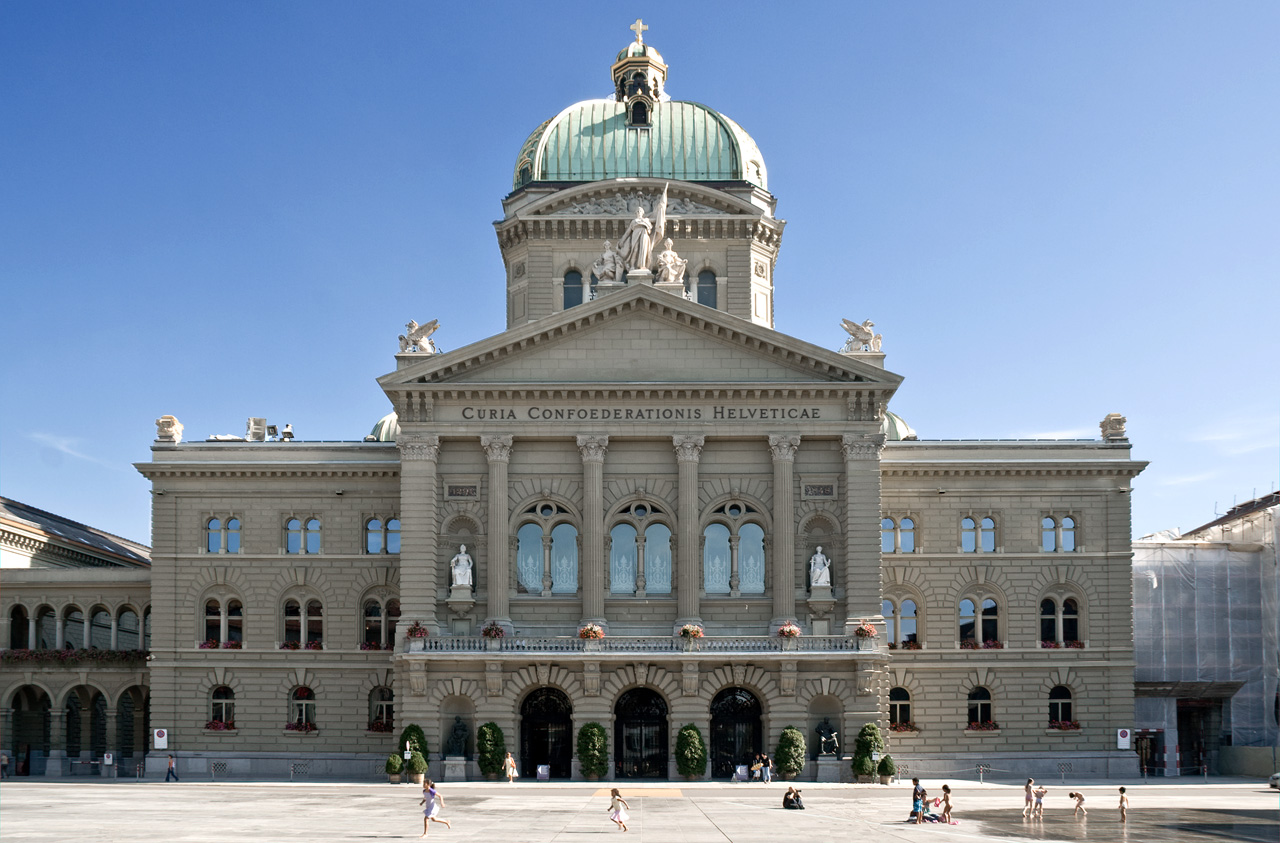 ✦ 76
✦ 76 ✦ 75
✦ 75Work Permissions
Application Steps
- 1
📋 Research your canton's specific requirements
1-2 weeks
- 2
📄 Prepare business plan and financial documentation
2-4 weeks
- 3
📋 Secure Swiss health insurance
1-2 weeks
- 4
📄 Compile and translate required documents
2-3 weeks
- 5
📬 Submit application to your commune of residence
Same day (in-person) or 1-2 days (by post)
- 6
⏳ Await processing and respond to requests
12 weeks
- 7
🏛️ Receive residence permit and register locally
1-2 weeks after approval
- 8
🏛️ Register with tax authorities and open bank account
1-2 weeks
- 9
🏛️ Register with social security if required
1-2 weeks
Frequently Asked Questions
Click any question to expand the answer.
Ready to Apply?
Work with trusted visa specialists who handle the paperwork so you can focus on your move.
Get help with this visa →* We may earn a commission if you apply through our link
At a Glance
Last verified: May 13, 2026