Switzerland Lump Sum Taxation Residence
Switzerland · Europe
Data updated Sep 3, 2026
Processing Time
4 wks–26 wks
Difficulty
Difficult
Duration
12 months
Path to Citizenship
10 years
Overview
A reader living off $3,800/month in ETF dividends or rental income gets past the financial screen here because Switzerland’s lump-sum taxation requires a minimum of $308,558 in savings or investment funds, as of 2026, rather than a published minimum monthly income figure. The real gate is that the applicant must be non-EU, non-Swiss, and cannot work in Switzerland; passive management of one’s own assets is allowed, but local employment is not. Geneva’s official page frames the case as a permit for a non-European national who transfers the center of interests to Switzerland and spends the majority of the year there.
That residency trade-off is blunt: 183 days/year is the stated physical presence requirement, and the Geneva filing language also asks for the majority of the year in Switzerland. For anyone splitting time between two countries, this is not a “touch and go” permit; the Swiss residence has to be real enough to satisfy the canton and the immigration authorities. The permit is issued for 12 months as of 2026 and is renewable.
The long game is clear. This route leads to permanent residency after 10 years as of 2026 and to citizenship after 10 years as of 2026, which is unusually direct for a passive-income route. The friction sits in the tax negotiation, not in a purchase or deposit requirement: processing runs 4 weeks to 26 weeks as of 2026, health insurance is required, and Switzerland requires an apostille where required, and does not ask for an FBI background check, medical exam, or interview in the published requirements. Geneva requires a tax agreement from the cantonal tax administration, proof of accommodation or intent to secure housing, a criminal record from your country of origin, a CV, civil status documents for family members, and a signed commitment not to carry out gainful activity.
This makes most sense for someone with foreign passive income who is prepared to live in Switzerland 183 days a year and accept a cantonal tax ruling instead of a published price tag. It is a poor fit for a remote worker who wants to keep earning from clients or an employer while using Switzerland as a low-visibility residence base, because local work is barred and the country expects a genuine relocation.
For US Citizens and Green Card Holders FEIE on Form 2555 does not match this structure well because the visa bars local work and the main income streams here are usually passive. FEIE only shields earned income, up to the 2026 limit of $126,500, so it can apply to remote consulting or self-employment only if that work is actually allowed and performed outside Switzerland’s prohibited local-work box. It does not cover dividends, capital gains, pension distributions, or Social Security.
FTC on Form 1116 matters only if Switzerland taxes the income stream. Under lump-sum taxation, the tax is negotiated on living expenses rather than on worldwide income and assets, so the effective local tax on foreign dividends, capital gains, and rental income may be very different from a normal worldwide system. If a stream is not actually taxed locally, the FTC does not create a useful foreign-tax offset on that stream.
FBAR on FinCEN 114 still applies if foreign financial accounts exceed $10,000 at any point in the year, separate from FATCA Form 8938. A local Swiss bank account is not required, but if you open one, it counts toward FBAR aggregation like any other foreign account. The year-one spend on a US CPA who handles FEIE/FTC/FBAR and a local Swiss tax advisor for the cantonal ruling and filing is not optional overhead; it is the difference between a clean filing position and penalties that start at $10,000 per non-willful violation.
Eligibility Requirements
EU citizens do not need this route. The eligible pool is non-EU, non-EEA nationals who are also non-Swiss; Geneva’s official page describes the route for a national of a non-European country who wants to settle in Geneva under lump-sum taxation. That excludes EU and EFTA free-movement nationals, including Norway, Iceland, and Liechtenstein, and it also excludes Switzerland itself by definition.
The edge cases are the usual Western passports that sit outside the EU line: the UK, the US, Canada, Australia, New Zealand, and other non-EU OECD countries. Those passports are the ones this program is built around, subject to the cantonal fiscal-interest test and the no-gainful-activity rule. A dual national who also holds an EU passport should use the EU passport instead; that bypasses this permit entirely and avoids the lump-sum tax negotiation.
A non-EU passport does not guarantee approval. Geneva requires the canton to certify a significant fiscal interest, and the application must be filed before entry into Switzerland. If the applicant has an EU/EEA citizenship option, that is the correct route; if not, the lump-sum pathway is the Swiss route that remains on the table.
Min Savings
$308,558
Min Investment
$308,558
Min Age
18 yrs
Duration
12 months
Physical Presence
183 days/yr
Max 0% from local sources
Requirements Checklist
• Identity: Valid passport for main applicant; Valid passports for spouse and dependent children; Passport-sized photographs as per Swiss requirements; Birth certificates for all applicants; Marriage certificate or proof of civil partnership (if applicable).
• Accommodation: Signed long-term rental agreement in Switzerland; Property purchase deed or notarized ownership extract (if owning); Proof of registration of address from local commune (if already obtained).
• Financial: Recent bank statements showing sufficient funds; Bank reference letter confirming banking relationship and solvency; Proof of worldwide assets (e.g. portfolio statements, property valuations); Proof of regular income (e.g. dividends, salary from abroad, pension statements); Recent tax returns or tax statements from country of residence (if requested); Evidence of ability to pay agreed lump-sum tax (cantonal calculation or summary).
• Health: Comprehensive Swiss-compliant health insurance policy for all family members; Accident insurance coverage (if not included in health policy); Medical certificate of good health (if required by canton).
• Background: Police clearance certificate (criminal record extract) from country of citizenship; Police clearance certificates from each country of residence for the last 5–10 years (as required); Signed declaration of clean criminal record and good character (if requested).
• Tax: Draft or final lump-sum tax ruling / tax agreement from cantonal tax authority; Completed FTA Form 3 (Déclaration en vue de l’imposition d’après la dépense) or cantonal equivalent; Evidence provided to tax authority of projected annual living expenses in Switzerland and abroad; Any supporting schedules used for expenditure-based taxation calculation.
• Immigration Forms: Cantonal residence application form for residence without gainful employment; National visa D application form (if applying from abroad and required); Biometric data appointment confirmation; Residence card biometric data form (if provided).
• Declarations: Signed written commitment not to engage in gainful activity in Switzerland; Signed statement to transfer centre of vital interests to Switzerland (if requested); Signed acknowledgement of physical residence requirement (e.g. at least 183 days per year); Signed consent for data sharing between tax and migration authorities.
• Employment: Curriculum vitae (CV) for main applicant; Explanation of current and past professional activities; Evidence that any ongoing business activities are conducted outside Switzerland (e.g. company registration, employment contract abroad).
• Other: Cover letter explaining reasons for settling in Switzerland and chosen canton; Copy of all current and previous residence permits from other countries (if applicable); Copies of previous Swiss permits or tax rulings (if returning after more than 10 years); Proof of family relationship for dependants other than spouse/children (if applicable, e.g. guardianship documents).
• Translation: Certified translations into an official Swiss language (German, French, Italian) or English for all civil status documents; Certified translations for police clearance certificates; Apostille or legalization on foreign civil status and police documents, where required.
Tax Information
How Switzerland Taxes You Once You Live There
Switzerland taxes residents on worldwide income, and residency itself is triggered at 183 days of physical presence in a calendar year, full stop. Once you cross that line, your US salary, freelance invoices, foreign dividends, brokerage gains, and any rental income from a property you still own back home are all technically inside the Swiss net under the ordinary regime. Federal income tax runs on a progressive scale that starts at 0% on the first CHF 17,800 (about $19,900) and climbs to 11% by CHF 755,200 (about $846,000), with 13.2% above that, and cantonal plus communal tax gets layered on top, often doubling or tripling the effective bill in cities like Zurich or Geneva. Ordinary residents also face no capital gains tax on private securities gains for non-professional investors, though real estate gains are taxed separately by the canton where the property sits, with rates that shrink the longer you hold.
None of that ordinary bracket structure is likely to be your problem, though, because almost nobody comes to Switzerland on this particular residence path to live under it.
Lump-sum taxation replaces the standard calculation entirely for the people this visa is built for. Instead of declaring worldwide income, you agree with the canton on a deemed taxable base equal to at least seven times the annual rental value of your Swiss residence, with a federal floor of CHF 435,000 (about $487,000) for 2026. Cantons stack their own minimums on top of that floor, and the combined federal, cantonal, and communal bill typically lands somewhere between CHF 150,000 and CHF 500,000 or more a year (roughly $168,000 to $560,000+), depending on where you settle and how the negotiation goes. Foreign income and foreign assets are not individually assessed under this arrangement, and private capital gains stay exempt just as they would under the ordinary system. The regime is available in approximately 19-21 of Switzerland's 26 cantons in 2026, including Vaud, Valais, Ticino, Grisons, Schwyz, and Lucerne, but Zurich, Basel-Stadt, Basel-Landschaft, Appenzell Ausserrhoden, and Schaffhausen have abolished it by popular vote and will not offer it no matter how the rest of your application looks.
Eligibility is narrow by design: foreign nationals who have not been Swiss tax resident in the preceding ten years, plus Swiss citizens returning after a decade abroad in cantons that still extend the option to them. There is no post-arrival window to negotiate this. The lump-sum ruling has to be agreed with the cantonal tax administration before residency begins, not filed for afterward, and arriving first and applying for the deal later cannot be undone for that tax year. This visa also does not permit local gainful employment, which matters more than it sounds like it should once you get to the US side of the ledger.
Where the IRS Still Has a Claim
Citizenship is what the IRS taxes, not your mailing address, so every US citizen or green card holder living under this permit still files a full US return every year regardless of what Bern or Vaud has agreed to. The Foreign Earned Income Exclusion shelters up to $132,900 of foreign earned income for the 2026 tax year, but it only reaches salary and freelance revenue, and since this residence category generally bars gainful employment in Switzerland, most people holding it simply have no earned income for the exclusion to touch. What they do have is high Swiss tax exposure on everything else, and that is where the Foreign Tax Credit does the real work: Switzerland's combined rates in higher-tax cantons frequently exceed US federal rates, so the credit generated on Swiss-taxed income can offset US tax not just on that income but, with careful planning, on other foreign-source income too.
Capital gains are the trap nobody expects. Switzerland does not tax private securities gains at all, which means there is no Swiss tax paid on those gains to generate a US credit, so the full US capital gains rate applies with nothing to offset it. Swiss-domiciled mutual funds and ETFs carry a separate landmine in the form of PFIC treatment under US law, which can turn an ordinary Swiss investment account into a punitive US filing exercise. Dividends face a 35% Swiss withholding at source, fully reclaimable if you're a Swiss resident who declares the income, and US-source dividends paid to you as a Swiss resident get taxed at a reduced 15% US withholding rate under the US-Switzerland treaty. That treaty exists and covers pensions and social security specifically: US Social Security benefits paid to a Swiss resident are taxed only by the US under treaty provisions, while distributions from a 401(k) or IRA are generally taxable only in Switzerland once you're resident there, at whatever your combined cantonal rate happens to be. The savings clause behind all of this means the treaty repositions which country taxes which income, it does not excuse you from filing with the IRS.
Then there's the bank account you almost certainly have to open to live here at all. Once combined balances in your Swiss accounts, checking, savings, brokerage, Pillar 3a, cross $10,000 at any point in the year, FinCEN Form 114 becomes mandatory, and Swiss banks are already reporting your account data to the IRS automatically under FATCA whether you file or not. Non-willful FBAR penalties run a statutory $10,000 per violation, adjusted for inflation each year, and sit around $16,700 as of 2026, which is not a number worth testing.
The first-year decisions that actually cost people money are specific ones: negotiating the lump-sum ruling with the right canton before you move rather than after, keeping Swiss-domiciled fund purchases out of your portfolio to avoid PFIC reporting, and filing FBAR on the account this visa effectively forces you to open. A professional handling the first year of this typically runs $1,500 to $3,000, and it is usually the cheapest part of the whole relocation.
Living in Switzerland
COL Index vs NYC
98.4
Monthly Cost (excl. rent)
$1,724
1BR Rent (City Center)
$2,030
Safety Index
73.5
Healthcare Index
71.5
Quality of Life Index
205.0
Time Zone
UTC+01:00
Capital
Bern
Population
8.7M
Official Languages
French, Swiss German, Italian, Romansh
Avg Internet Speed
480 Mbps
Public Transit Quality
Excellent
With a budget covering rent and living costs, you'd need roughly $3,754/mo for a comfortable single-person lifestyle in Switzerland.See how far your money goes →
🏙️ Best Cities in Switzerland for Passive Income Residents
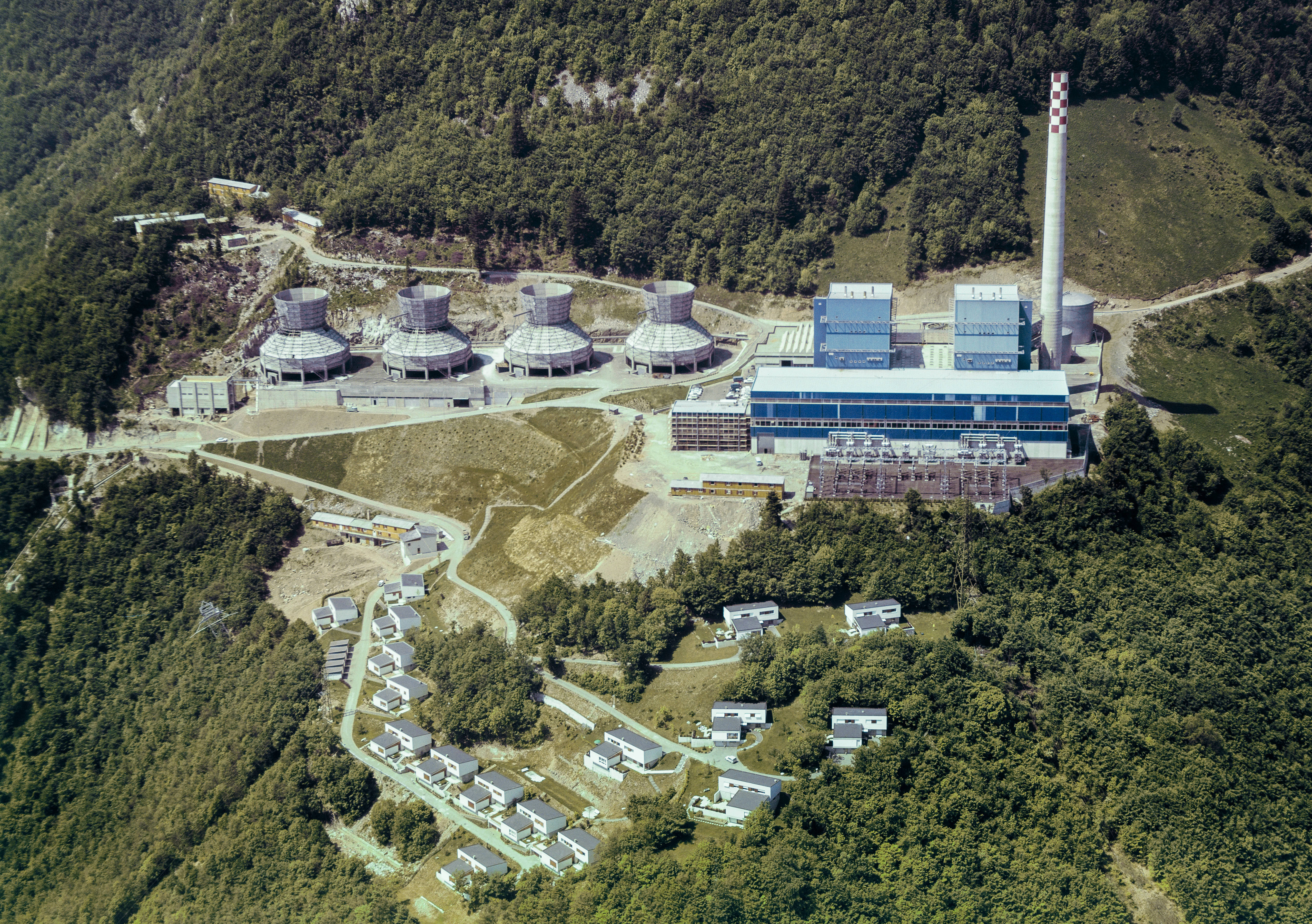 71
71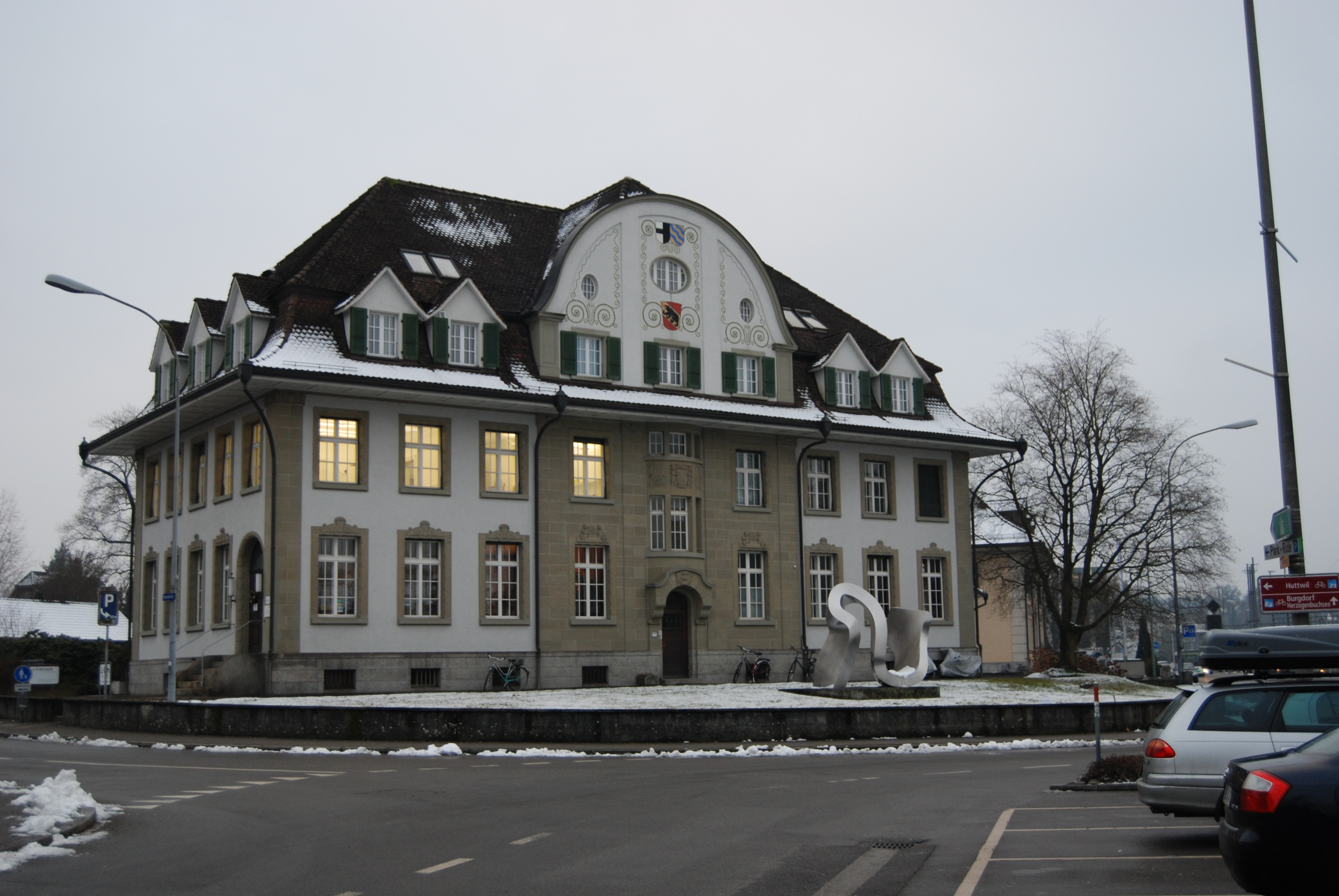 71
71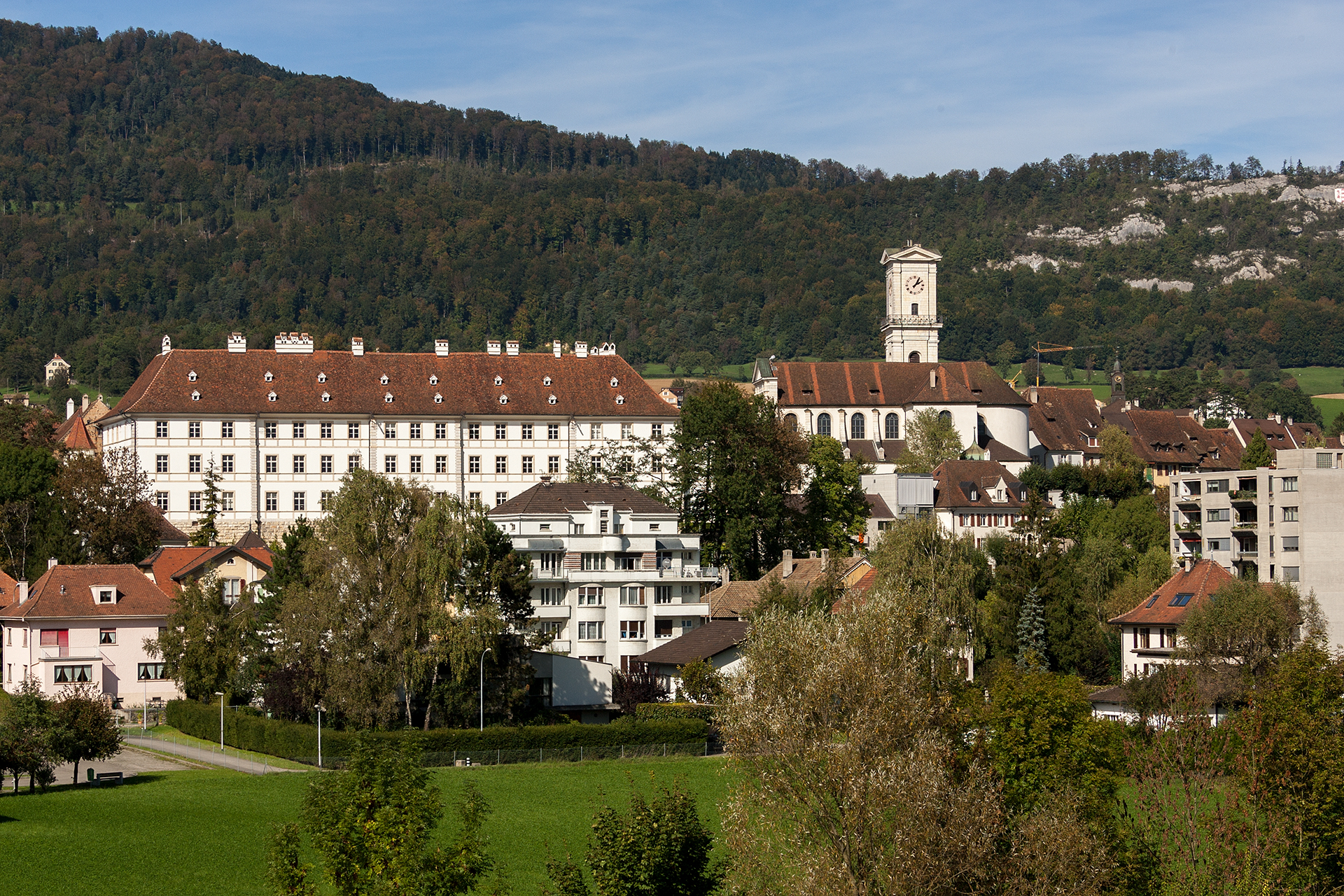 70
70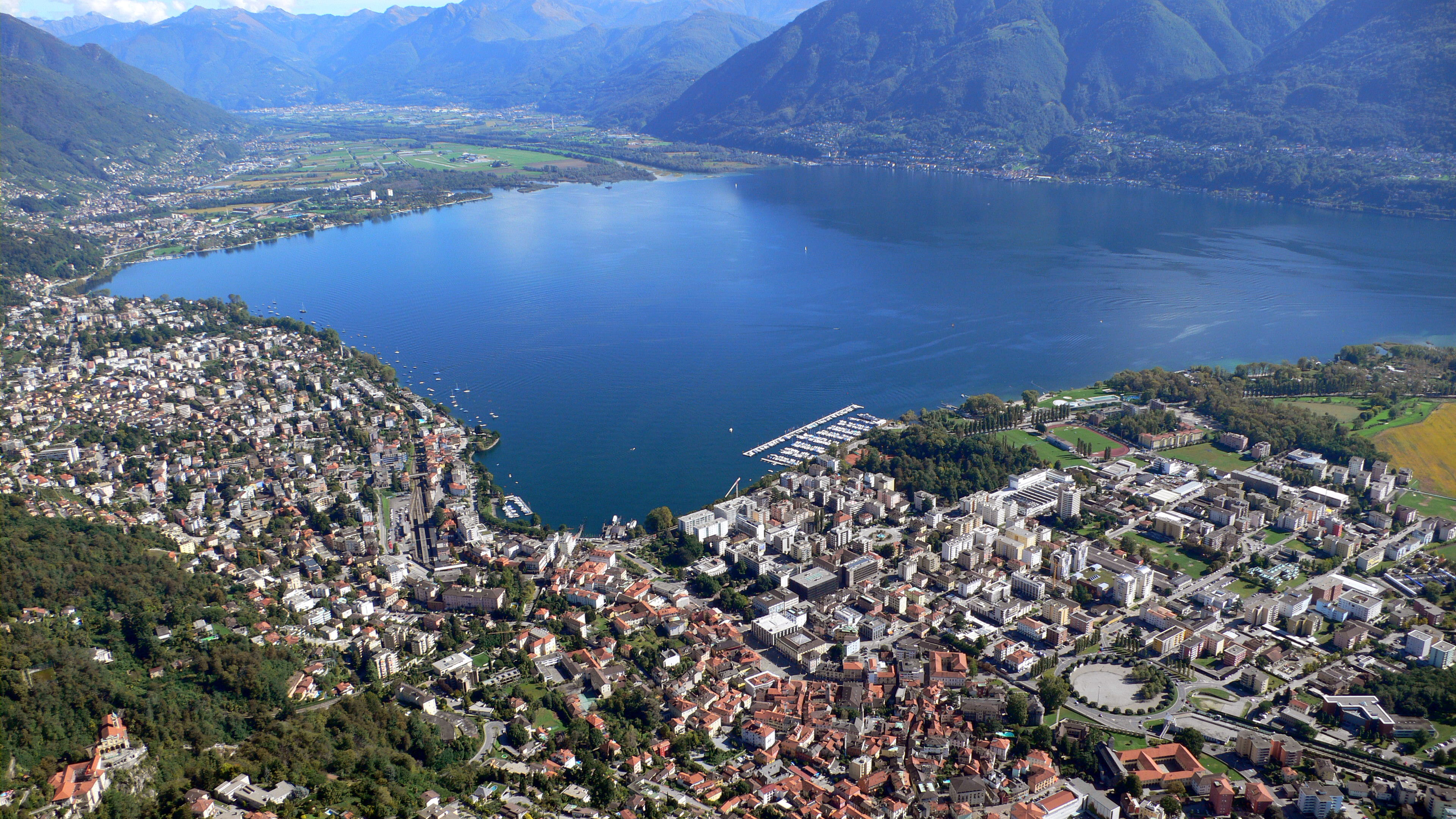 ✦ 92
✦ 92 ✦ 90
✦ 90 ✦ 89
✦ 89Getting the income documentation story straight before applying
The tax ruling comes first. Not alongside, not after you file for the permit. You walk into a cantonal tax office with a full picture of your worldwide holdings, income streams, and projected spending, and you negotiate a deemed expenditure amount. The final ruling becomes the cornerstone of your residence application. Immigration authorities want to see it already agreed, not in draft.
What the tax office actually examines is whether your stated lifestyle passes the plausibility test. If you claim annual expenses of $350,000 but your documented passive income is $80,000 from dividends and a pension, they will ask where the rest comes from. You need a coherent story that ties your assets, their liquidation schedule or yield, and your spending plan together. A retired corporate executive with a clear drawdown strategy from a portfolio gets a faster yes than someone with a murky mix of one-off asset sales and no tax returns from the last jurisdiction.
Bank reference letters matter here more than people expect. They are not a formality. A Swiss cantonal tax assessor reads a letter that says “client has maintained a seven-figure relationship with us for twelve years” differently from one that says “client opened this account eighteen months ago and the current balance is sufficient.” The depth and duration of the banking relationship often substitute for the kind of formal credit check that does not exist in this process.
The documentation package should separate the money you will spend in Switzerland from the money you will spend outside it, because the lump sum calculation weights both. If you maintain properties or family obligations abroad, that pushes the expenditure base upward, which you might want if you are trying to meet a higher threshold for the canton’s comfort, or it might inflate it past what you wanted to pay. You control that levers by what you and how you frame it. Get this wrong before applying and you either look underfunded or you negotiate a higher taxable base than necessary.
The housing requirement and how people get it wrong
This part trips up more applicants than the financials do. The permit application requires a signed long-term rental contract or a property purchase deed. Not a letter of intent, not an Airbnb receipt for six months, not a friend’s confirmation that you can use their spare room. The commune will eventually register your address against that document, and if it does not hold up, the residence permit never materialises.
The catch is that you are meant to apply for the permit from abroad, but you need a binding rental contract that usually requires you to view the property and sign in person. That creates a practical tension. Agents and relocation services can help execute a lease remotely if you have a trusted representative with power of attorney, but a surprising number of cantons still want to see evidence that you have physically entered the dwelling at least for the handover, which muddles the “apply from abroad” instruction. The safest sequence looks like this: you visit, you sign a lease, you leave Switzerland, you file the application, you wait for approval, you re-enter. Any deviation where it appears you moved in before the permit was granted raises questions about whether you violated the entry rules.
The agreement itself needs to be for an unfurnished or realistically furnished primary residence that fits the profile you claimed in your tax ruling. Renting a studio when your tax file describes a household of four with school-aged children does not hold. The commune has local knowledge and will recognise a token address. Some cantons are stricter than others; Geneva and Vaud scrutinise the lease length and the landlord’s registration with the population office, while smaller rural cantons may accept simpler documentation. Assume the stricter standard and you buy yourself fewer delays.
What actually happens after you land
Once the approval arrives, you enter and register your address at the communal residents’ registration office within the window the canton sets, usually fourteen days. That step triggers the production of your physical residence card. The initial permit runs for twelve months and must be renewed before it expires, with the renewal linked to your continued compliance with the tax agreement and the physical presence rule.
The health insurance requirement activates immediately. You need a Swiss-compliant basic insurance policy covering all family members. If you wait until the card arrives, you may already be past the enrolment deadline and face a surcharge. Insure from the day you enter. The accident insurance component is separate and sometimes overlooked; if your basic health policy does not include it, you need a standalone contract.
During those first months, the canton is watching whether you actually transfer your centre of vital interests. The 183-day physical presence minimum is not a suggestion. Tax authorities and migration offices share data, so your entry and exit records, utility consumption, and even school enrolments become proxies for genuine residence. If it looks like you are spending the minimum days and no more, a renewal might come with questions. The tax ruling itself gets verified against your actual spending patterns after the first tax year, and a large deviation can trigger a reassessment.
The gap between walking off the plane and holding the permit card in your hand is measured in weeks, not days, and during that stretch you cannot leave and re-enter without risking complications. Plan for that immobility.
The long-term path in practice
Permanent residence and citizenship both take ten years of continuous, lawful residence. There is no shortcut for lump sum taxpayers, no fast track for high net worth. You renew the annual permit faithfully, you stay out of trouble, and after a decade you can apply for the C permit. Naturalisation follows a similar timeline, though it layers on integration requirements: language proficiency at the level the commune demands, a clean record, and demonstrated participation in local life. Some communes make the naturalisation interview substantial enough that long-time residents still stumble.
The lump sum tax agreement does not freeze taxes forever. It is renegotiated periodically, and the canton can adjust the expenditure base if your circumstances change or if you underestimated your lifestyle the first time. The financial commitment is not a one-time entry cost; it is an ongoing, documented expenditure that must remain consistent with the visa’s premise. If your passive income shrinks and you can no longer sustain the living standard you agreed to, the permit is at risk. The path to permanence is steady, but it depends entirely on keeping the initial deal alive.
The judgment call against the most obvious alternative
The other passive income routes inside the EU ask for less money upfront and often lead to citizenship faster. A Portuguese D7, for example, sets the financial bar at a fraction of what Switzerland requires and opens a citizenship door in five years. The counterweight is the tax treatment. Switzerland’s lump sum deal means you pay tax only on expenditures, not on worldwide income, which for someone earning multiples of their living costs can dwarf the savings of a lower-threshold visa. The residency itself carries different institutional heft. For people whose planning involves asset protection, Swiss banking relationships, or eventual access to a non-EU market like the US via treaty structures, the Swiss route holds value that a cheaper EU residence cannot replicate.
The trade-off is the pace and the permanence of the physical commitment. Moving your life to Switzerland is expensive and slow. If the goal is a backup passport quickly, this is the wrong tool. If the goal is a jurisdiction where the rule of law and the tax agreement create a stable platform for decades, with citizenship as a distant but possible endpoint, the lump sum visa earns its cost over time.
Work Permissions
Application Steps
- 1
📋 Research eligible cantons
1-2 weeks
- 2
📋 Negotiate tax agreement
4-8 weeks
- 3
📄 Gather required documents
2-4 weeks
- 4
📬 Submit residence application
1 day
- 5
⏳ Wait for approval
12-24 weeks
- 6
🏛️ Enter and register locally
1-2 weeks
- 7
🏛️ Comply with annual requirements
Frequently Asked Questions
Click any question to expand the answer.
Ready to Apply?
Work with trusted visa specialists who handle the paperwork so you can focus on your move.
Get help with this visa →* We may earn a commission if you apply through our link
At a Glance
Last verified: July 15, 2026