Sweden Self-Employment Permit
Sweden · Europe
Data updated Sep 4, 2026
Difficulty
Difficult
Duration
24 months
Overview
Non‑EU/EEA freelancers and business owners can use the Sweden Self-Employment Permit to live in Sweden for 24 months while running their own company. The financial gate is savings-based: the program requires at least USD 18,500 in liquid funds (as of 2026), and Migrationsverket specifies this as a minimum of SEK 200,000 in your own bank account for yourself, plus SEK 100,000 per spouse and SEK 50,000 per child if they accompany you. This money must already be in your name; loans or projected income do not satisfy the requirement. There is no published minimum monthly income, but your business plan has to show that the company can eventually support you at Swedish cost-of-living levels.
This permit is for operating a business in Sweden, not for camping out in Stockholm while billing entirely foreign clients. The Migration Agency explicitly expects you to run the business yourself, own at least 51% of it, have established customer contacts or networks in Sweden, and present a credible budget. If your plan shows only US clients and no Swedish economic activity, rejections are common. Income from foreign rental properties, ETF dividends, or Social Security might help you personally bridge cash-flow, but they do not replace the requirement for a viable Swedish business model.
From a residency-planning perspective, the initial grant is 24 months and the permit is renewable, with a clear path to long-term status: the program leads to permanent residency after 5 years and even citizenship in 5 years if you meet the usual naturalisation criteria. Physical presence thresholds and maximum allowed absences aren't detailed here, but Swedish permanent residence and citizenship practice is strict about actually living in Sweden, not just holding a card. If you intend to split time across multiple countries, plan around Swedish tax-residency rules (commonly 183+ days) and continuity of residence evidence.
Friction points are mainly qualitative rather than procedural. Bureaucracy is rated 1/5, and there is no apostille requirement, no FBI background check, no medical exam, and no mandatory interview. The hard part is substance: you must document industry experience, language skills in Swedish or English, a detailed business plan with financial projections, proof of customer networks, and bank statements showing at least SEK 200,000+ in your own funds. Processing times aren't detailed here, but external sources peg decisions around 10–12 months in practice, meaning you are committing capital and planning around a long lead time.
This route makes the most sense if, for example, you have USD 100,000+ in liquid savings, at least 2–3 years of experience in your field, and a concrete plan to build Swedish revenue to cover a USD 3,000–6,000/month lifestyle within a couple of years. It is a poor fit if your entire income is USD 4,000/month in foreign passive income and you have no intention of selling into the Swedish market or personally managing an active business on the ground.
Eligibility Requirements
Any nationality can apply in principle for the Sweden Self-Employment Permit; the program is not limited to specific regions or income-level groups. In practice, applicants from sanctioned or heavily restricted jurisdictions such as Iran, Syria, North Korea, Cuba, and in some banking contexts Russia can run into consulates that will not accept applications, difficulty transferring the required SEK 200,000+ into traceable accounts, or KYC refusals from Swedish banks. Before assembling a full business plan and document pack, confirm current eligibility and consular handling with Migrationsverket (the Swedish Migration Agency) via its official guidance and, if relevant, the specific Swedish embassy or consulate where you would file.
Min Savings
$20,700
Renewal Cost
$190/yr
Min Age
18 yrs
practical
Duration
24 months
Language
Documented relevant knowledge in Swedish and/or English required; very good Swedish if extensive local contacts (e.g., suppliers/customers). Provide course certificates or equivalent evidence. No specific test like IELTS named; prior education or experience may suffice.
Self-Employed · Business Owner
+50% per adult · +25% per child
Requirements Checklist
• Identity: valid passport; copies of passport pages showing personal data, photo, signature, passport number, issuing country, validity period, barcode on the identification page, and any permits to stay in countries other than your home country.
• Application: completed application form for a residence permit for self-employed persons; receipt showing payment of the application fee.
• Financial: bank certificate showing sufficient personal funds for living expenses; bank certificate showing sufficient funds for the business investment/purchase; bank statement showing all transactions from the company account; annual report or annual accounts; income statement and balance sheet up to the previous month; tax return documents for yourself and your business.
• Business: business plan; company registration certificate; trading company agreement or share register; purchase contract for the business if applicable; contracts with customers, suppliers, and premises; proof of payment for the company if purchased.
• Background: certificates of qualification from your studies; employer certificates from previous employers; evidence of significant experience in your field; evidence of previous experience running your own business; certificate or other evidence of Swedish or English language proficiency.
• Employment: payslips for the last six months if running a limited company.
• Translation: translations of all documents not originally in Swedish or English by an authorised translator.
• Other: passport copies and original documents plus translations where applicable.
Tax Information
Local tax regime and what gets taxed
Sweden runs a straightforward worldwide tax system: once you are tax-resident, Sweden taxes your global income, not just what is earned or received in Sweden. That means remote salary from a US or Canadian employer, self-employment profits from your Swedish company, ETF dividends from a US brokerage, pension distributions from a 401(k) or RRSP, and rental income from property in another country all fall within Swedish tax scope. National and municipal income tax combined often lands around the high 20s to mid‑40s percent depending on income level and municipality; there is no special preferential regime for self-employed permit holders.
Capital gains on foreign investments
Capital gains on foreign investments, such as selling index funds or ETFs in a US brokerage account, are taxed in Sweden because the regime is worldwide, not territorial or remittance-based. Listed share and fund gains are generally taxed as investment income at flat rates (commonly around 30%), but exact effective rates depend on instrument and any wrapper (for example, Swedish ISK accounts). There is no indication of an exemption for foreign portfolio gains, so a FIRE retiree realizing large capital gains to fund living costs in Sweden should expect Swedish tax on those gains once tax-resident.
Tax residency triggers and filing
Sweden uses a combination of physical presence and “habitual abode” to determine tax residency. Spending 183 days or more in a 12‑month period in Sweden usually triggers tax residence, and long-term residence permits coupled with a settled home and family in Sweden can establish it sooner. Once resident, you register with Skatteverket (the Swedish Tax Agency), obtain a personal identity number, and fall into the annual tax return cycle. Returns are normally filed the year after income is earned; deadlines are in the spring (often May). Even with a self-employment permit, there is no separate low‑tax regime; you report business profits, foreign investment income, pensions and rentals in the same system.
Tax treaty status
Sweden and the United States have an income tax treaty to prevent double taxation and fiscal evasion, though the treaty's savings clause allows the US to tax its citizens as if the treaty did not exist, so treaty relief on dividends, pensions, or Social Security should be checked against the actual bilateral income tax treaty and the separate totalization agreement. In practice, Sweden has a comprehensive tax treaty network, but for planning, a US retiree receiving Social Security, IRA distributions, and US dividends while resident in Sweden, treaty allocation rules and credits need to be confirmed against current treaty text.
For US Citizens and Green Card Holders
US citizens and green card holders on the Sweden Self-Employment Permit remain fully taxable by the US on worldwide income. The Foreign Earned Income Exclusion (FEIE), claimed on Form 2555, can exclude up to USD 132,900 of earned income in 2026, but only for active income: salary, consulting, and self-employment profits from your Swedish business or remote clients. It does nothing for ETF dividends, interest, capital gains when you sell funds to fund your lifestyle, rental income, pensions, or Social Security. Because this permit is designed for running an active business in Sweden, many users will qualify under the Bona Fide Residence Test after establishing Swedish residence; the Physical Presence Test (330 full days abroad in any 12‑month period) is also available but harder if you travel heavily outside Sweden.
The Foreign Tax Credit (FTC) on Form 1116 becomes central once you are tax-resident in Sweden. Since Sweden taxes worldwide income at relatively high rates, Swedish tax on your business profits, salary, and investment income will often exceed US tax on the same amounts. In that scenario, you rely more on the FTC than on FEIE, especially for passive income that is ineligible for FEIE. If any category of income remains untaxed in Sweden (for example, certain tax‑privileged local accounts), there may be no Swedish tax to credit against US liability for that stream.
FBAR (FinCEN 114) reporting kicks in if the aggregate value of your non‑US financial accounts exceeds USD 10,000 at any point in the year. A Swedish business or personal bank account opened for this permit, plus local brokerage or pension accounts, will count toward that threshold. FATCA Form 8938 can apply at higher thresholds and requires reporting many of the same assets. Non‑willful FBAR penalties are inflation-adjusted annually and start at approximately USD 16,700 per violation (as of 2026), so ignoring local accounts is expensive.
The realistic professional stack here is twofold: a US CPA who specializes in expat taxation (FEIE vs FTC optimization, treaty application, FBAR/FATCA compliance) and a Swedish tax advisor or accountant familiar with Skatteverket rules for self-employed individuals and owner‑managers. The USD 1,500–3,000 you spend in year one on that combined advice usually pays back through correctly structured salary/dividends, avoided double-tax, and staying clear of five‑figure US and Swedish penalties.
Living in Sweden
COL Index vs NYC
54.2
Monthly Cost (excl. rent)
$1,090
1BR Rent (City Center)
$935
Safety Index
52.0
Healthcare Index
68.3
Quality of Life Index
193.2
Time Zone
UTC+01:00
Capital
Stockholm
Population
10.4M
Official Languages
Swedish
Avg Internet Speed
294 Mbps
Public Transit Quality
Excellent
With a budget covering rent and living costs, you'd need roughly $2,025/mo for a comfortable single-person lifestyle in Sweden.See how far your money goes →
🏙️ Best Cities in Sweden for Freelancers
 ✦ 79
✦ 79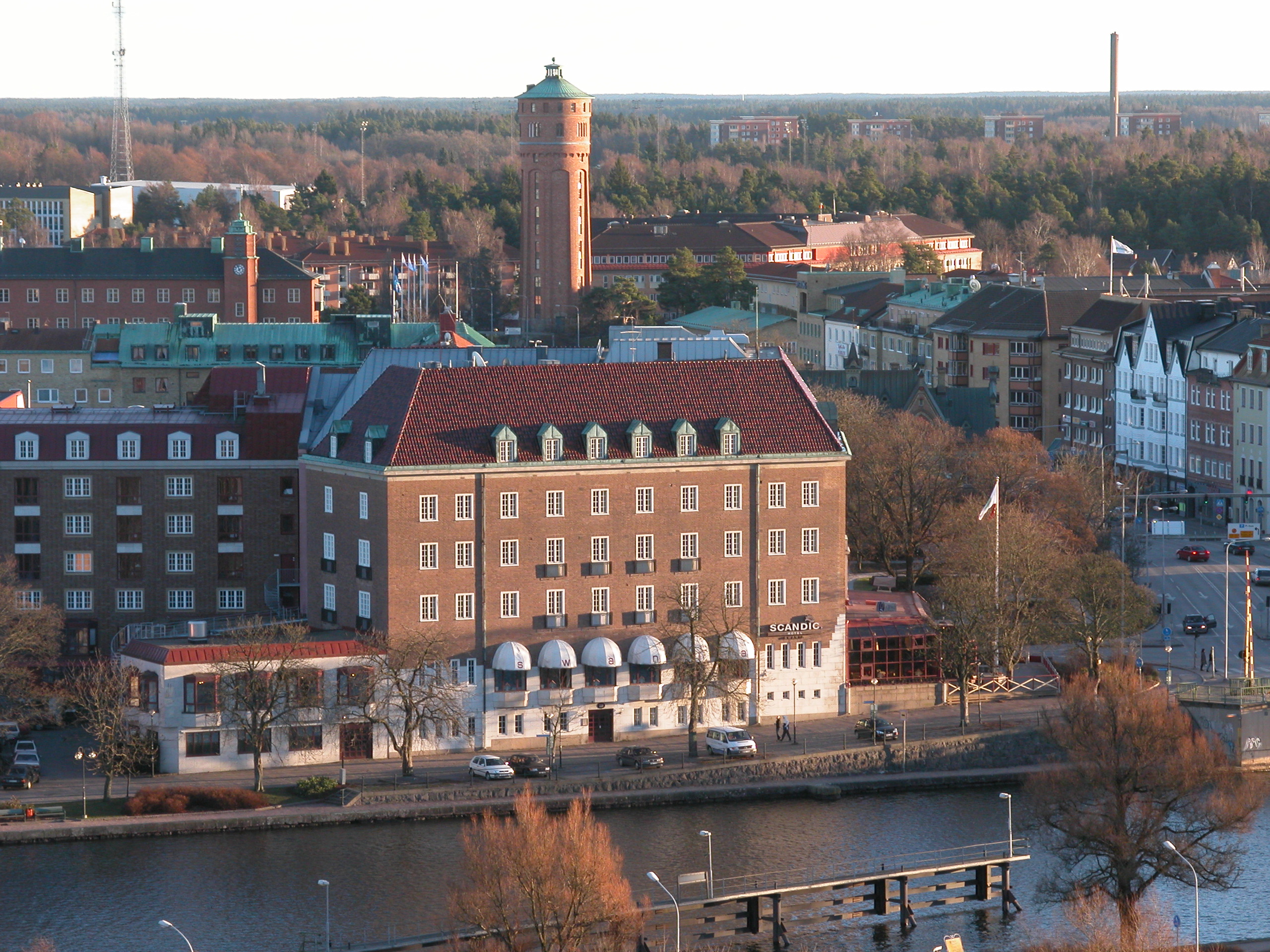 ✦ 79
✦ 79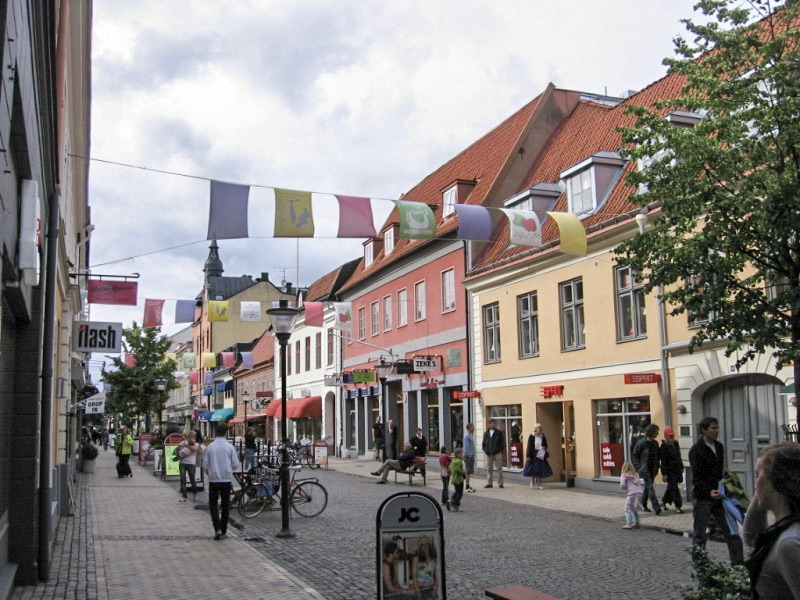 ✦ 79
✦ 79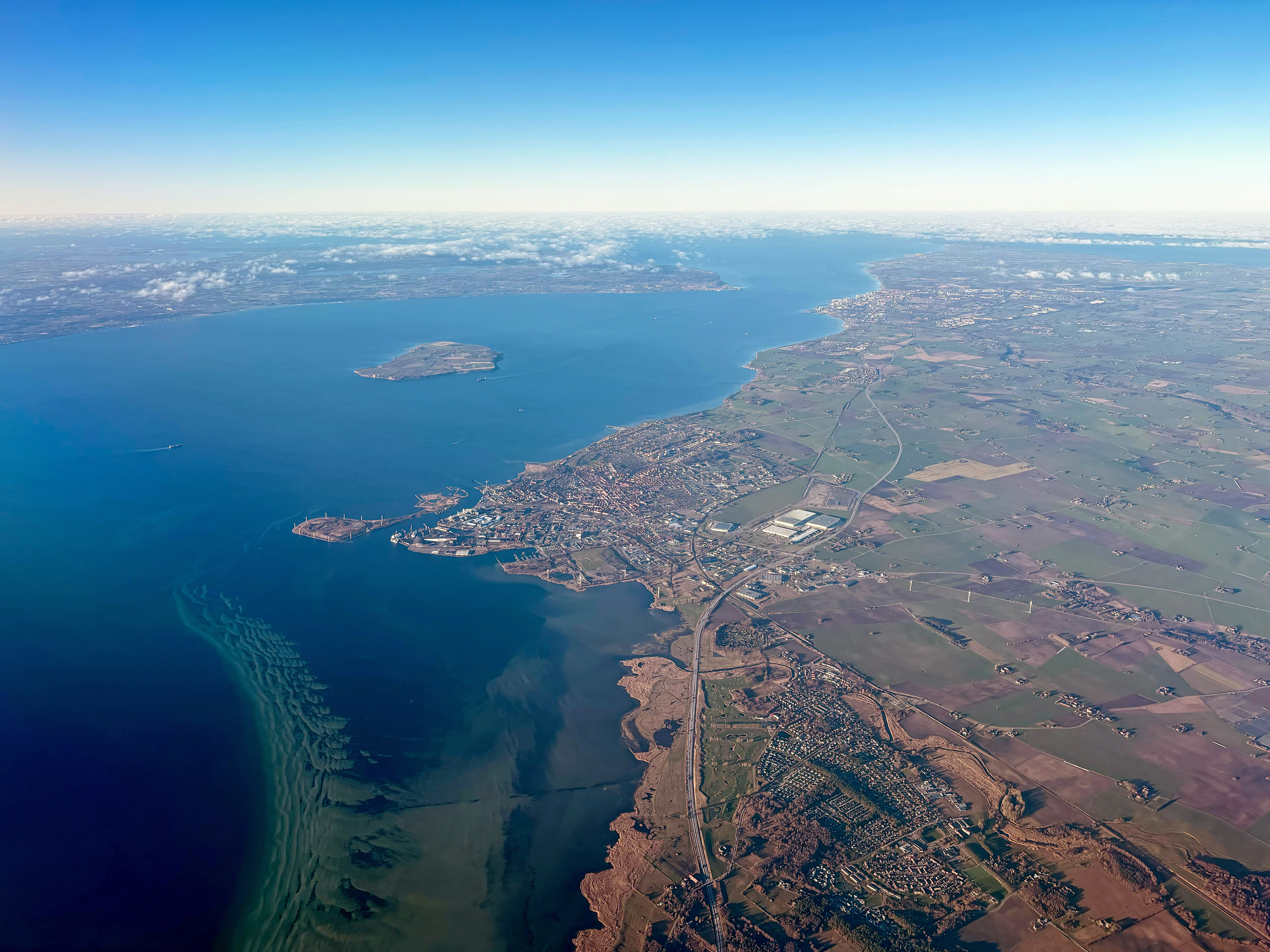 ✦ 78
✦ 78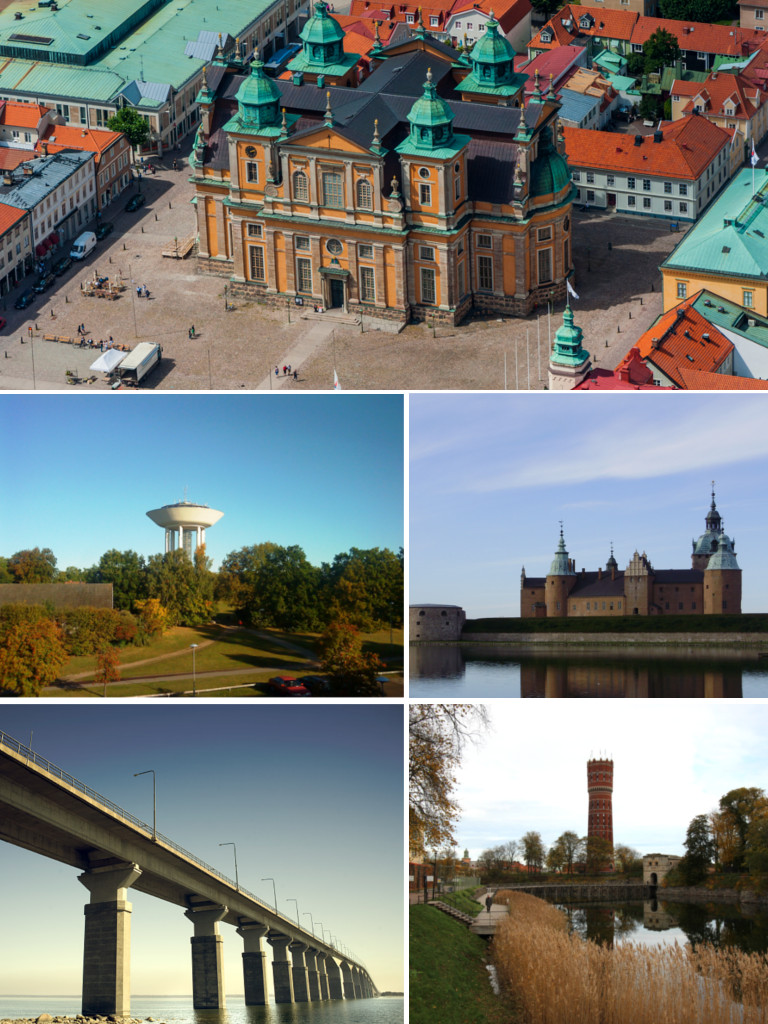 ✦ 81
✦ 81Business premises and the accommodation trap
There's no personal housing requirement buried in this permit, and that trips people up because they go looking for one. What's actually required is evidence of premises for the business, contracts with suppliers, customers, and a location where the work happens. Applicants who've done a Portugal or Spain visa before assume they need a signed residential lease to submit with the file. That's the wrong document. A caseworker reviewing a self-employment application wants to see that the business has somewhere to operate and someone to operate with, not that you've found an apartment in Malmö.
The mistake shows up in two directions. Some applicants over-invest in a commercial lease before they have any certainty the permit will be approved, tying up capital in a Swedish premises contract for a business that hasn't been cleared to exist yet. Others skip this entirely, assuming a home office and a laptop satisfy "premises," and then can't produce anything when asked for the supplier or customer contracts that were supposed to reference where work gets done. The middle path that tends to work: a short-term or conditional premises agreement, one that a landlord or co-working provider will sign contingent on permit approval, paired with actual signed contracts from clients or suppliers that reference the arrangement.
Personal accommodation matters practically, not procedurally. You'll need somewhere to live once you land, and Sweden's rental market in the cities where self-employment makes sense is tight enough that lining up interim housing before departure, rather than after arrival, saves weeks you don't have once the business needs to start generating the trading history your first renewal will look at.
The gap between approval and actually operating
Because the permit is granted before you travel, there's no in-country conversion step the way some countries run it. You apply from your country of residence, present yourself and your passport at the consulate for the decision and biometrics, and the permit that comes back is already the real one, not a placeholder. Family members apply at the same time rather than following later, which matters for sequencing if a spouse's documents are the ones holding up the file.
What people underestimate is the distance between having permission to be self-employed in Sweden and actually being operational there. No local bank account is required to get the permit, but running a Swedish business without one is impractical almost immediately, and opening one as a newly arrived self-employed foreign national with no personnummer yet is its own slow process. The permit gets you in the door; registering with Skatteverket, getting a personnummer, opening business banking, and re-establishing the client contracts you documented in the application as actually active Swedish-facing engagements all happen after landing, on your clock, not the Migration Agency's. No medical exam and no interview simplify the front end of this, but they also mean nobody at the consulate is going to flag if your post-arrival operational plan is thin. That gets tested at renewal, not at entry.
What five years actually requires, not just counts
The permit runs in a 24-month block, renewable, at a modest renewal cost. The path to permanent residency sits at five years, and citizenship tracks the same five-year mark, which sounds generous until you realize each renewal along the way is its own mini-application. You're not accumulating time so much as re-proving, every two years, that the business is still real, still trading, still supporting you. A gap year where the business went quiet while you took contract work elsewhere doesn't just look bad, it can break the continuity the later stage depends on.
The practical implication is that year one and year two matter more than they seem to. Applicants who treat the initial permit as a settling-in period, deprioritizing the business while they handle housing and logistics, arrive at the first renewal with weaker financials than what got them in. Consulates and caseworkers reviewing a renewal are, in effect, asking the same due-diligence question as the original application, just with two years of real Swedish trading history to check it against. If that history is inconsistent with what the business plan promised, the renewal is where it gets caught, not at the five-year mark.
Sweden versus the lighter-touch alternative
The obvious competitor for the kind of person reading this isn't another Nordic country, it's a digital nomad visa in Southern Europe, the kind built around proof of remote income rather than proof of a business. Those visas ask for less: no business plan, no company registration, no investment figure sitting alongside a savings figure. If the goal is simply to live in the EU while working for US clients with minimal friction, that route is faster to qualify for and lighter to maintain.
Sweden's self-employment permit is the right call when the business itself is the point, not just the visa. It fits someone who wants to build something with actual Swedish clients, suppliers, or market presence, not someone using Sweden as a scenic backdrop for work that has nothing to do with the country. The five-year run to permanent residency and citizenship is also a real commitment mechanism in a way a renewable nomad visa usually isn't, since those rarely lead anywhere permanent. If what you want is a serious foothold in one of the most stable economies in Europe and you're willing to do the accounting and contract work to prove a business rather than just an income, this is built for that. If you want three years somewhere pleasant with your US client roster intact and no appetite for Swedish company registration, this permit will feel like overkill, and it is.
Work Permissions
Application Steps
- 1
📋 Research requirements and plan business
1-2 weeks
- 2
📄 Gather and translate documents
2-4 weeks
- 3
📬 Apply online or prepare form
1 day
- 4
📅 Book embassy appointment
1-2 weeks
- 5
⏳ Wait for decision
- 6
📅 Collect permit and travel
1-2 days
- 7
🏛️ Register in Sweden upon arrival
1 week
- 8
📋 Apply for renewal timely
Frequently Asked Questions
Click any question to expand the answer.
Ready to Apply?
Work with trusted visa specialists who handle the paperwork so you can focus on your move.
Get help with this visa →* We may earn a commission if you apply through our link
At a Glance
Last verified: July 15, 2026