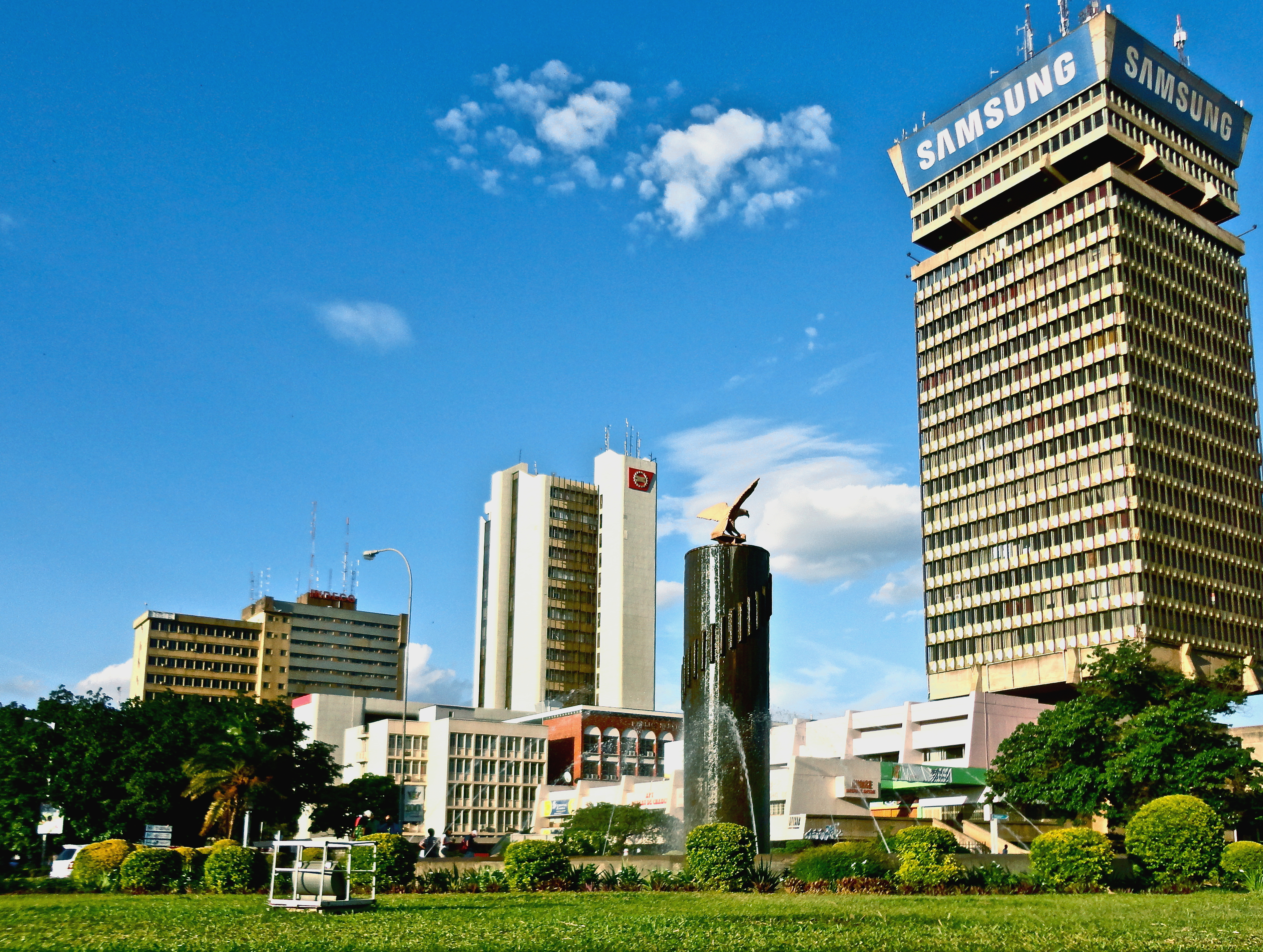
Lusaka, Zambia
Data updated Sep 3, 2026
📊 Scores
Best fit: FIRE / Geoarbitrage (score: 79)
Government and finance dominate the formal economy here — Lusaka is where Zambia's ministries, state-owned enterprises, and the headquarters of most major banks and telecoms are based. Copper still drives national GDP, but the actual mining happens up in the Copperbelt; Lusaka captures the administrative and financial spillover. NGOs and international development organizations are significant employers, and a growing number of remote workers have arrived in the last few years. The informal sector is enormous — street trade, transport, and small-scale services employ a large share of the population.
A one-bedroom in the city center runs around $550/month, which buys you something decent in Woodlands or Rhodes Park but not luxury. Expats almost universally drive — public minibuses exist but are chaotic and slow, and ride-hailing apps like Yango operate but coverage is inconsistent. Private healthcare at clinics like Levy Mwanawasa or Lusaka Trust Hospital is reasonably accessible for routine care; anything serious means Johannesburg. English is the official language and widely spoken in professional settings, so the language barrier is low. Bureaucracy for visas and business registration is genuinely slow and paper-heavy.
The elevation keeps temperatures comfortable — rarely above 30°C, cool dry-season nights from May to August. Food options range from local nshima spots to decent South African-style restaurants in Kabulonga. The expat community is real but concentrated: mostly development workers, mining executives, and a smaller cohort of entrepreneurs. Weekends mean braais, golf, the Manda Hill or Arcades malls, or day trips to Lower Zambezi. This city suits people on assignment contracts or FIRE-seekers who want southern Africa's relative stability without South Africa's cost or crime anxiety.
🏚️ Cost of Living
💰 Budgets and Costs
Grocery Basket
Eating Out
Utilities & Lifestyle
Housing
A 1BR in the center runs about $550/mo. If your income is in another currency, bank FX fees add up. A multi-currency account can cut that cost.
See low-fee transfersWe may earn a commission at no cost to you.
💰 Real Spend Reports
🛡️ Safety & Crime
(Higher is safer)
(Lower is safer)
Lusaka presents a mixed safety picture for expats. During daylight hours, the city feels relatively functional with established expat communities in neighborhoods like Kabulonga and Woodlands. However, nighttime walkability is limited—most expats rely on private transport after dark. The city's reputation for crime is somewhat worse than day-to-day reality for those taking precautions, but complacency is dangerous. Safety depends heavily on where you live and your habits.
Petty theft, armed robbery, and carjacking are the primary concerns, particularly in less affluent areas and after sunset. Home invasions targeting expats do occur, especially in isolated properties. Scams involving fake police or financial schemes target foreigners. Solo female travelers should avoid walking alone at night and be cautious in crowded markets. Avoid displaying wealth, use registered taxis or ride-sharing apps, and don't resist during robberies—personal safety matters more than possessions.
Zambia is relatively politically stable compared to regional neighbors, but corruption among police is common and their reliability inconsistent. Protests occasionally occur but rarely target expats directly. The main risk is opportunistic crime rather than systemic instability. For Americans considering relocation, Lusaka is manageable with realistic expectations: live in secure compounds, use trusted transport, maintain situational awareness, and connect with established expat networks. It's not a high-risk posting but requires active safety management.
Lusaka has a safety index of 50/100. Petty theft and lost belongings are the most common problems for newcomers. Compare travel insurance before you go.
Compare travel insuranceWe may earn a commission at no cost to you.
🏥 Healthcare
🌤️ Climate
Best Months
Climate Notes
Humid subtropical climate; mild year-round with a rainy season from Nov to March.
💻 Digital Nomad
Community Notes
Working remotely from Lusaka? Nomad health insurance covers you across borders, month to month.
See nomad insuranceWe may earn a commission at no cost to you.
🧳 Expat Life
Expat Life Notes
A friendly and rapidly growing African capital with a high standard of living in the southern suburbs.
Pros
- ✓ Native English
- ✓ Safe and friendly atmosphere
- ✓ Good international schools
Cons
- ✗ Inconsistent power (load shedding)
- ✗ Poor public transport
- ✗ Expensive imported goods
Could living/working in Lusaka cut years off your work life?
With a 1-bedroom in the center at $550/mo, your FIRE number here might be much lower than you think.
Moving to Lusaka? Estimate what an international move would cost and compare mover quotes.
Estimate my move costShare This Guide
Lusaka won't stay this cheap forever.
Cost-of-living and visa updates for Lusaka and the rest of Zambia. Free with RA Postcards.
By submitting your email address, you will receive a free subscription to RA Postcards and special offers from Rewire Abroad and our affiliates. You can unsubscribe at any time, and we encourage you to read more about our Privacy Policy.