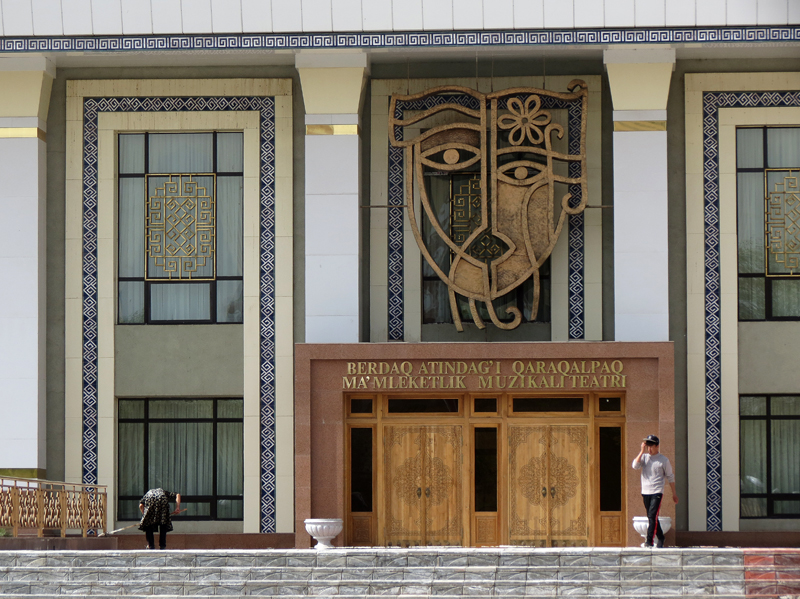
Nukus, Uzbekistan
Data updated Sep 3, 2026
📊 Scores
Best fit: FIRE / Geoarbitrage (score: 82)
The regional economy runs on cotton, government jobs, and a modest trickle of tourism tied to the Savitsky Museum. That museum is genuinely remarkable, but it does not create a real job market. Remote work is the only viable path for foreigners here, and even that is a gamble. Internet averages 12.5 Mbps. That figure isn't a floor, it's what you get on a good day. Power outages and throttling are common enough that you will need a local SIM backup and patience you probably don't have. Your monthly nut, excluding rent, lands around $350. A one-bedroom in the city center costs $280. That sounds absurdly cheap until you realize there is almost nothing to spend money on. No coworking spaces worth the name, no international food scene, and a banking system that treats foreign cards like a personal insult. If your income depends on Zoom calls and large file transfers, you will spend a lot of time staring at a loading spinner and questioning your decisions.
Housing stock is Soviet-era concrete. Apartments are functional but grim, with erratic heating and plumbing that makes noises you learn to stop investigating. You will not find a modern western-style rental without serious legwork and a local fixer. Transport within the city is marshrutka minibuses that don't run on any schedule you can decipher. Taxis are cheap if you negotiate in Russian or Karakalpak. English is functionally useless here. Doctors exist. Pharmacies exist. Do not expect either to resemble what you know. The language barrier in medical settings is total, and serious conditions mean a flight to Tashkent or Istanbul. Bureaucracy is thick, slow, and conducted entirely in forms you cannot read. You will need a local contact. Not "nice to have." Need. Someone who can register you with the OVIR, talk to your landlord, and explain why the gas was shut off again.
Nukus works for exactly one kind of person. You are an academic, a researcher, or a deeply stubborn artist who needs access to Central Asia and the Aral Sea region and has funding that doesn't depend on local infrastructure. That's it. If you want to retire cheaply and you genuinely prefer solitude to comfort, and you speak Russian or have the discipline to learn it, you can make a strange and meaningful life here for very little money. Otherwise, do not come. The digital nomad who needs reliable internet and a cafe with good lighting will lose their mind within a month. The retiree who wants Mediterranean charm should look at the numbers and keep looking. This city reveals itself slowly to people with a specific, almost academic patience. Everyone else should visit the museum, marvel at the art, and leave before the second power cut of the evening.
🏚️ Cost of Living
💰 Budgets and Costs
Grocery Basket
Eating Out
Utilities & Lifestyle
Housing
A 1BR in the center runs about $208/mo. If your income is in another currency, bank FX fees add up. A multi-currency account can cut that cost.
See low-fee transfersWe may earn a commission at no cost to you.
💰 Real Spend Reports
🛡️ Safety & Crime
(Higher is safer)
(Lower is safer)
Nukus feels relatively safe for daily life, with low violent crime and a manageable expat presence. Walking during daylight is generally secure, though nighttime solo walks warrant caution—not due to rampant crime, but limited street lighting and fewer people around. The city's remote location and smaller population create a quieter, less chaotic environment than major Central Asian hubs, though it lacks the infrastructure and police visibility of larger capitals.
Petty theft and pickpocketing occur occasionally, particularly in markets and crowded areas; keep valuables secured. Scams targeting foreigners are uncommon but possible—be cautious with unofficial money changers and unfamiliar business dealings. Solo female travelers should exercise standard precautions: avoid isolated areas after dark, dress modestly, and be aware that harassment is rare but can occur. Violent crime against expats is extremely rare.
Uzbekistan maintains tight state control with a reliable police presence, though corruption exists and legal recourse for foreigners can be slow. Political instability is minimal—the government is stable if authoritarian. The main risk is bureaucratic friction: visa complications, arbitrary enforcement of regulations, and limited consular support if problems arise. For Americans considering relocation, Nukus is safer than many global cities, but its isolation, limited expat services, and bureaucratic opacity make it suitable only for those with genuine ties to the region or exceptional adaptability.
Nukus has a safety index of 60/100. Petty theft and lost belongings are the most common problems for newcomers. Compare travel insurance before you go.
Compare travel insuranceWe may earn a commission at no cost to you.
🏥 Healthcare
🌤️ Climate
Best Months
Climate Notes
Nukus has a harsh continental desert climate with scorching, dry summers exceeding 30°C and cold winters near freezing, with minimal precipitation year-round.
💻 Digital Nomad
Community Notes
| Name | Price/mo | Notes |
|---|---|---|
| Business Incubator Nukus | $40 | While not a traditional coworking space, the Business Incubator Nukus offers affordable desk space and resources for entrepreneurs and remote workers. Located centrally, it provides a basic but functional environment, suitable for budget-conscious expats. |
| Co-working Center "Nukus" | $50 | This coworking center in Nukus provides a dedicated workspace with essential amenities. It's a good option for digital nomads looking for a reliable internet connection and a professional environment in the city center. |
Planning to live in Nukus long-term? Uzbekistan Digital Nomad Visa lets remote workers live legally.
View full requirements →Working remotely from Nukus? Nomad health insurance covers you across borders, month to month.
See nomad insuranceWe may earn a commission at no cost to you.
🧳 Expat Life
Expat Life Notes
Nukus is the capital of the Republic of Karakalpakstan in western Uzbekistan, best known for the Savitsky Collection (a secret cache of Soviet avant-garde art). It is a remote city near the desiccated Aral Sea. Very few expats reside here outside of environmental researchers and art enthusiasts.
Pros
- ✓ Extraordinary Savitsky art museum
- ✓ Aral Sea ecological research hub
- ✓ Affordable
Cons
- ✗ Extremely remote
- ✗ Very limited English
- ✗ Environmental pollution legacy
🛂 Visa Options for Uzbekistan
Many long-stay visas require proof of health insurance. Compare international health plans before you apply.
Compare health insuranceWe may earn a commission at no cost to you.
Not sure which Uzbekistan visa you qualify for?
Answer 10 questions and get a personalized match in under 2 minutes.
Could living/working in Nukus cut years off your work life?
With a 1-bedroom in the center at $166/mo, your FIRE number here might be much lower than you think.
Moving to Nukus? Estimate what an international move would cost and compare mover quotes.
Estimate my move costShare This Guide
Nukus won't stay this cheap forever.
Cost-of-living and visa updates for Nukus and the rest of Uzbekistan. Free with RA Postcards.
By submitting your email address, you will receive a free subscription to RA Postcards and special offers from Rewire Abroad and our affiliates. You can unsubscribe at any time, and we encourage you to read more about our Privacy Policy.