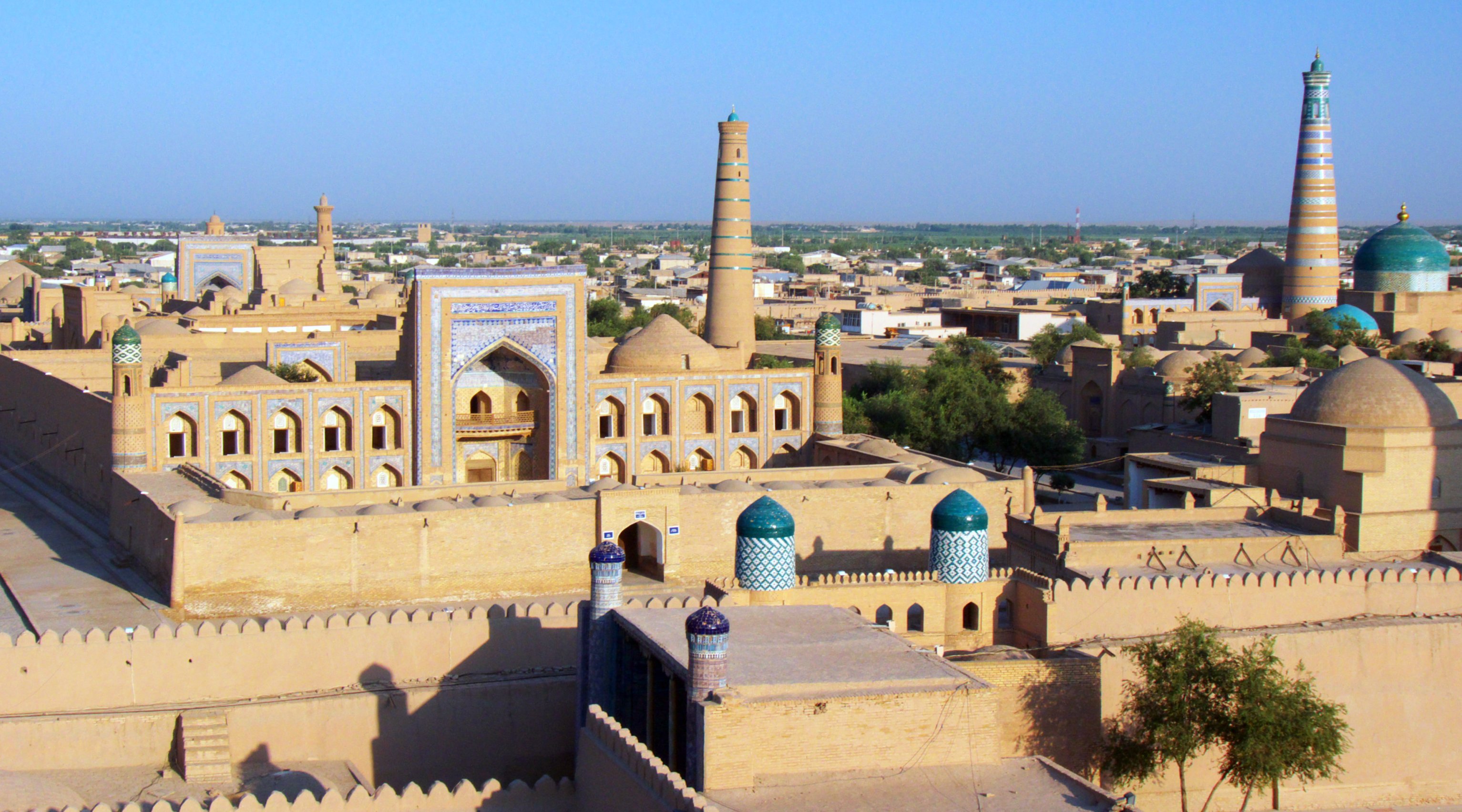
Khiva, Uzbekistan
Data updated Sep 3, 2026
📊 Scores
Best fit: Digital Nomad (score: 48)
Tourism dominates Khiva's economy—the UNESCO-listed Itchan Kala walled city is the main draw, generating revenue through guesthouses, restaurants, and guided tours. Traditional crafts (carpet weaving, silk, pottery) persist but mostly serve visitors now. Agriculture surrounds the oasis, but employment for expats is thin: teaching English, freelance work, or running a guesthouse are realistic options. The city functions as Khorazm Region's administrative hub, so some government jobs exist, though visa sponsorship is unpredictable.
Rent in the old city runs $65–150/month for a 1BR; outside the tourist zone it's cheaper. Transport is basic—shared taxis and buses connect to Bukhara and Samarkand, but no metro or reliable local transit. Healthcare is functional but limited; serious issues require travel to Tashkent. Uzbek is essential; English is rare outside tourism. Bureaucracy is standard Uzbek friction: registration, visa extensions, and business permits require patience and local help. Internet is decent.
Summers hit 40°C+; winters drop below freezing. The old city is genuinely beautiful—mud-brick walls, turquoise domes, bazaars—but tourism crowds peak April–October. Food is Uzbek staples: plov, lagman, bread. The expat community is tiny (mostly teachers and digital nomads), so you're not joining a scene. Weekends mean exploring nearby Khorazm sites, reading in your courtyard, or day-tripping to Bukhara. Khiva suits patient, culturally curious people who want extreme affordability and don't need nightlife or Western amenities.
🏚️ Cost of Living
A 1BR in the center runs about $108.16/mo. If your income is in another currency, bank FX fees add up. A multi-currency account can cut that cost.
See low-fee transfersWe may earn a commission at no cost to you.
💰 Real Spend Reports
🛡️ Safety & Crime
(Higher is safer)
(Lower is safer)
Khiva is genuinely one of Central Asia's safer cities for expats, with a walkable, compact old town and low violent crime rates. Day-to-day life feels secure; locals are accustomed to foreign visitors and residents. Night walks in the main areas are generally safe, though the city is small and quiet after dark—more a matter of limited activity than danger. The walled city's tight-knit community and heavy tourism presence create natural informal security.
Petty theft and pickpocketing occur but are uncommon compared to regional peers. Scams targeting foreigners are rare; the main risks involve overpaying for goods or services due to unfamiliarity with local prices. Solo female travelers report feeling comfortable, though standard precautions apply—avoid isolated areas late at night and dress modestly to blend in. Avoid displaying expensive electronics or large amounts of cash openly.
Uzbekistan's authoritarian government maintains tight social control, which paradoxically enhances street-level safety but limits freedoms. Police are generally reliable for expats but can be unpredictable; corruption exists but rarely affects ordinary residents. Political protests are rare and heavily suppressed. For Americans considering relocation, Khiva is one of Central Asia's most stable and secure options—ideal for remote workers or retirees seeking a culturally rich, low-crime environment with manageable bureaucratic friction.
Khiva has a safety index of 60/100. Petty theft and lost belongings are the most common problems for newcomers. Compare travel insurance before you go.
Compare travel insuranceWe may earn a commission at no cost to you.
🏥 Healthcare
🌤️ Climate
Best Months
Climate Notes
Khiva has a continental desert climate with scorching, dry summers (May-September) reaching 35°C+ and cold winters (December-February) near freezing, with minimal rainfall year-round.
💻 Digital Nomad
Community Notes
| Name | Price/mo | Notes |
|---|---|---|
| Art House Hotel | $50 | While not a dedicated coworking space, Art House Hotel offers a comfortable and inspiring environment for remote work with reliable Wi-Fi, a quiet atmosphere, and a central location in the Old City (Itchan Kala). The hotel's artistic decor and courtyard provide a pleasant workspace. |
| Hotel Khiva Palace | $60 | Similar to Art House, Khiva Palace provides a business-friendly environment with reliable internet, comfortable seating in the lobby and courtyard, and a restaurant for meals. Its location near the main attractions in Itchan Kala makes it a convenient base for exploring the city after work. |
Planning to live in Khiva long-term? Uzbekistan Digital Nomad Visa lets remote workers live legally.
View full requirements →Working remotely from Khiva? Nomad health insurance covers you across borders, month to month.
See nomad insuranceWe may earn a commission at no cost to you.
🧳 Expat Life
Expat Life Notes
Khiva is an open-air museum city. While popular with tourists, very few expats live here year-round due to its remote location and seasonal economy.
Pros
- ✓ Stunning historic environment
- ✓ Safe and quiet
- ✓ Low costs
Cons
- ✗ Severe language barrier
- ✗ Extremely hot summers
- ✗ Isolated from modern retail
🛂 Visa Options for Uzbekistan
Many long-stay visas require proof of health insurance. Compare international health plans before you apply.
Compare health insuranceWe may earn a commission at no cost to you.
Not sure which Uzbekistan visa you qualify for?
Answer 10 questions and get a personalized match in under 2 minutes.
Could living/working in Khiva cut years off your work life?
With a 1-bedroom in the center at $43/mo, your FIRE number here might be much lower than you think.
Moving to Khiva? Estimate what an international move would cost and compare mover quotes.
Estimate my move costShare This Guide
Khiva won't stay this cheap forever.
Cost-of-living and visa updates for Khiva and the rest of Uzbekistan. Free with RA Postcards.
By submitting your email address, you will receive a free subscription to RA Postcards and special offers from Rewire Abroad and our affiliates. You can unsubscribe at any time, and we encourage you to read more about our Privacy Policy.