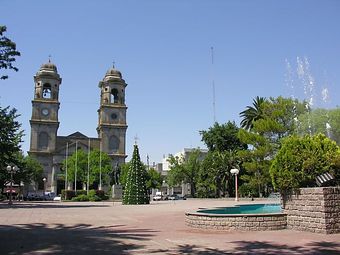
Trinidad, Uruguay
Data updated Sep 3, 2026
📊 Scores
Best fit: FIRE / Geoarbitrage (score: 84)
Agriculture and livestock dominate Trinidad's economy—cattle ranching, crop production, and related services employ most locals. There's minimal formal job market for remote workers or skilled professionals; most expats here work online or run their own ventures. The regional hub status means some transport and logistics work exists, but don't expect corporate employment. This is subsistence-economy territory, not a startup hub.
Rent runs $300–500/month for a modest apartment; utilities add another $60–80. Spanish is essential—English barely exists outside tourism contexts. Healthcare is basic but functional; serious issues require travel to Montevideo (2.5 hours). Bureaucracy for residency is standard Uruguayan red tape: expect 2–3 months and multiple document trips. Public buses connect to other departments, but a car is practical for exploring the region.
Summers are mild (70–80°F), winters cool but rarely freezing. Food is meat-heavy and simple—excellent beef, limited variety. Weekends mean hiking the nature reserve, visiting Palace Cave, or driving to nearby towns. The expat community is tiny, mostly retirees and remote workers seeking solitude. Trinidad suits people wanting genuine rural Uruguay on a shoestring budget, not those seeking nightlife or cosmopolitan amenities.
🏚️ Cost of Living
💰 Budgets and Costs
Grocery Basket
Eating Out
Utilities & Lifestyle
Housing
💰 Real Spend Reports
🛡️ Safety & Crime
(Higher is safer)
(Lower is safer)
Trinidad is a genuinely safe small town where expats report feeling comfortable walking at night and moving around freely. The Safety Index of 72 reflects a real, lived reality—not inflated perception. Day-to-day life feels secure; locals are friendly and crime is low relative to larger Uruguayan cities. You won't experience the hypervigilance required in Montevideo or other regional capitals.
Petty theft and opportunistic robbery exist but are uncommon compared to regional norms. Avoid displaying expensive jewelry, cameras, or large cash amounts, especially in the central market area. Violent crime is rare. Solo female travelers report feeling safe, though standard precautions apply. The main risk is property crime rather than personal safety—secure your home and vehicle adequately.
Uruguay has stable institutions, low corruption, and reliable police—a significant advantage over neighboring countries. Trinidad specifically has minimal political instability or protest activity. The main consideration is that as a small town, services and medical facilities are limited; serious emergencies may require travel to Montevideo. For an American seeking a quiet, genuinely safe retirement or remote work base, Trinidad is a solid choice with few geopolitical concerns.
🏥 Healthcare
🌤️ Climate
Best Months
Climate Notes
Trinidad has a temperate subtropical climate with warm, humid summers (December-February) and mild winters, offering pleasant weather year-round with moderate rainfall distributed throughout the year.
💻 Digital Nomad
Community Notes
| Name | Price/mo | Notes |
|---|---|---|
| Cowork Colonia | $80 | While technically in Colonia del Sacramento, it's the closest established coworking space to Trinidad (approx. 2-hour drive). Offers a professional environment with good internet, meeting rooms, and a community of entrepreneurs, making it suitable for digital nomads willing to commute or stay in Colonia part-time. |
| Espacio Serratosa | $60 | Located in Flores, Uruguay, this coworking space offers a quiet and productive environment for remote workers. It features comfortable workstations, reliable internet, and a collaborative atmosphere, making it ideal for those seeking a focused workspace. |
🧳 Expat Life
Expat Life Notes
A quiet inland town in Flores. Very local and safe.
Pros
- ✓ Very safe
- ✓ Low cost of living
Cons
- ✗ Isolated
- ✗ Requires Spanish
- ✗ Zero expat social scene
🛂 Visa Options for Uruguay
Living on investment or passive income? Uruguay Temporary Residency may be the right fit — minimum $1,500/month required.
View full requirements →Living on investment or passive income? Uruguay Retirement Visa may be the right fit — minimum $500/month required.
View full requirements →Earning over $500/mo? You may qualify for a Uruguay visa.
Answer 10 questions and get a personalized match in under 2 minutes.
Could living/working in Trinidad cut years off your work life?
With a 1-bedroom in the center at $254/mo, your FIRE number here might be much lower than you think.
📚 Related Reading
Share This Guide
Trinidad won't stay this cheap forever.
Cost-of-living and visa updates for Trinidad and the rest of Uruguay. Free with RA Postcards.
By submitting your email address, you will receive a free subscription to RA Postcards and special offers from Rewire Abroad and our affiliates. You can unsubscribe at any time, and we encourage you to read more about our Privacy Policy.