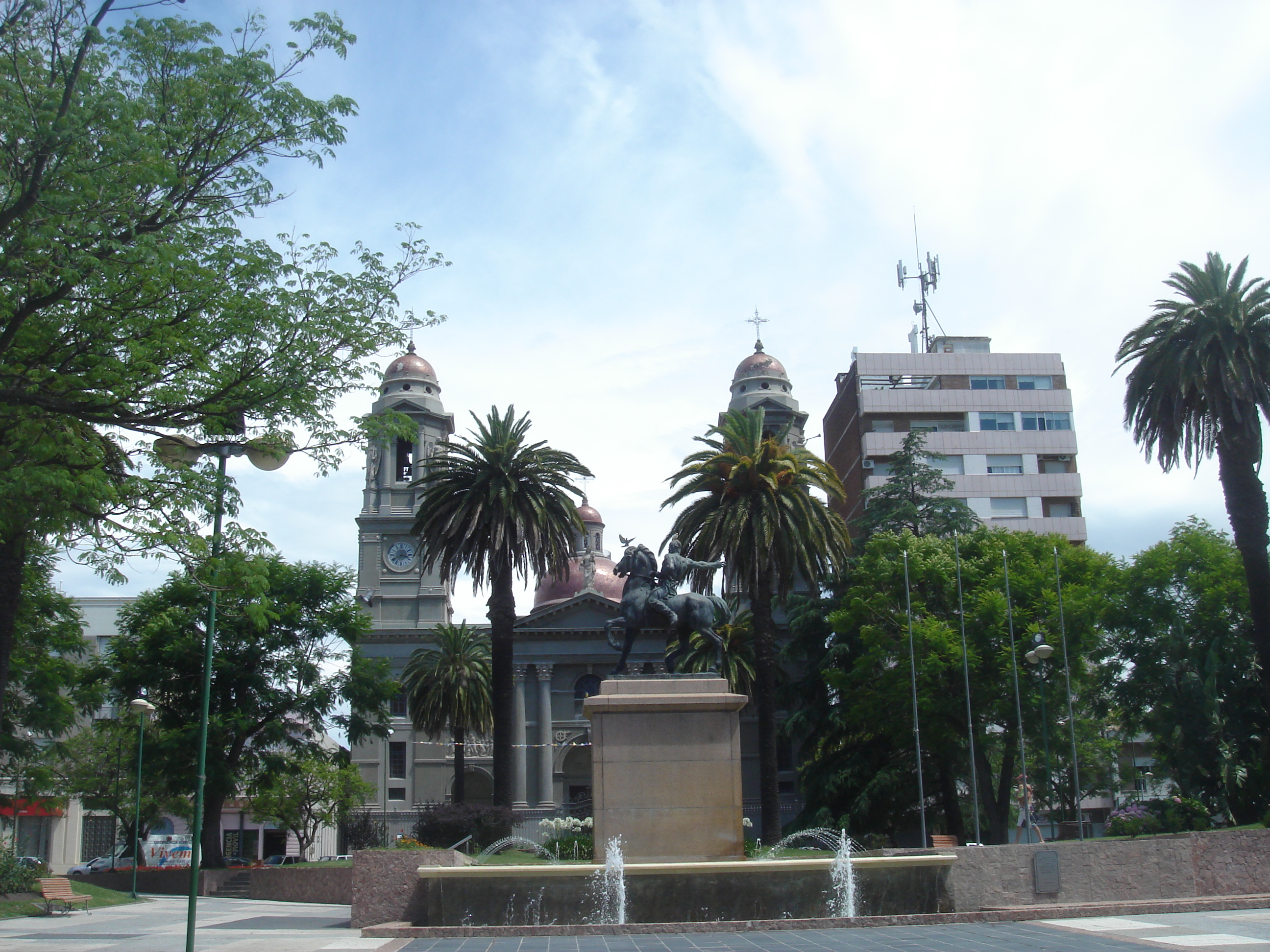
Mercedes, Uruguay
Data updated Sep 3, 2026
📊 Scores
Best fit: FIRE / Geoarbitrage (score: 83)
Agriculture, dairy, and paper mills drive Mercedes' economy—this is a working industrial town, not a tourist bubble. Major employers include Botnia (pulp mill), local cooperatives, and agricultural processors. Most expats here work remotely or run online businesses; local job opportunities exist in Spanish-language teaching or logistics tied to the port on Río Negro, but they're limited and low-paying. The city functions as a regional commercial hub, which means steady infrastructure but little glamour.
Rent runs $297–400/month for a one-bedroom in the center; utilities add $40–60. Spanish is essential—English barely registers outside tourism spots. Healthcare is solid through public ASSE clinics or private options like Médica Uruguaya ($30–50/visit). Bureaucracy is standard Uruguayan friction: residency requires proof of income (~$1,500/month) and patience with paperwork. Transport is cheap (buses $0.55/ride) but infrequent outside rush hours. No metro, no Uber.
Summers are warm (75–85°F), winters mild; subtropical humidity can feel oppressive December–February. The rambla along Río Negro is genuinely pleasant for walks and mate sessions. Food is meat-heavy and affordable; dining out costs $8–15/meal. The expat community is tiny—maybe 50–100 people—so you won't find coworking spaces or expat meetups. Weekends mean riverside strolls, nearby estancias, or day trips to Colonia (90 minutes). Mercedes suits remote workers seeking low cost, genuine local life, and zero expat infrastructure.
🏚️ Cost of Living
💰 Budgets and Costs
Grocery Basket
Eating Out
Utilities & Lifestyle
Housing
💰 Real Spend Reports
🛡️ Safety & Crime
(Higher is safer)
(Lower is safer)
Mercedes is a genuinely safe, quiet provincial city where expats report feeling comfortable walking at most hours. The town has a relaxed, small-town atmosphere with low violent crime and minimal street harassment. Night walks are generally safe, though like anywhere, common sense applies—avoid isolated areas after midnight. The safety index of 68 reflects a real, lived sense of security rather than just statistics.
Petty theft and opportunistic crime are the main concerns rather than violent offenses. Unattended bags, phones, and car break-ins happen occasionally, especially in the centro. Avoid displaying expensive jewelry or electronics. Solo female travelers report feeling safe here; machismo exists but is less aggressive than in larger Uruguayan cities. The main risk is complacency—locals are friendly, which can lower your guard around minor scams or theft.
Uruguay is politically stable with reliable police and low corruption by regional standards. Mercedes has no significant protest activity or gang presence. The police are generally professional and responsive. For Americans considering relocation, this is one of Uruguay's safest interior towns—ideal if you want genuine small-town life without the crime concerns of Montevideo's rougher neighborhoods. It's genuinely a low-risk choice for remote workers or retirees seeking tranquility.
🏥 Healthcare
🌤️ Climate
Best Months
Climate Notes
Mercedes has a temperate subtropical climate with warm, humid summers (December–February) and mild winters (June–August), featuring moderate rainfall year-round and occasional strong winds from the Pampas.
💻 Digital Nomad
Community Notes
| Name | Price/mo | Notes |
|---|---|---|
| Espacio Cowork Mercedes | $60 | A modern coworking space in the heart of Mercedes, offering a collaborative environment with dedicated desks and meeting rooms. Its central location provides easy access to cafes and restaurants, making it ideal for digital nomads. |
| La Terminal Cowork | $50 | Located near the bus terminal, La Terminal Cowork offers a convenient and affordable workspace for remote workers. It provides a relaxed atmosphere with shared desks and private offices, perfect for those seeking a community vibe. |
🧳 Expat Life
Expat Life Notes
A quiet administrative city on the Rio Negro. Very safe and traditionally Uruguayan.
Pros
- ✓ Peaceful lifestyle
- ✓ River access
- ✓ Very safe
Cons
- ✗ Limited jobs
- ✗ No English spoken locally
- ✗ Isolated
🛂 Visa Options for Uruguay
Living on investment or passive income? Uruguay Temporary Residency may be the right fit — minimum $1,500/month required.
View full requirements →Living on investment or passive income? Uruguay Retirement Visa may be the right fit — minimum $500/month required.
View full requirements →Earning over $500/mo? You may qualify for a Uruguay visa.
Answer 10 questions and get a personalized match in under 2 minutes.
Could living/working in Mercedes cut years off your work life?
With a 1-bedroom in the center at $228/mo, your FIRE number here might be much lower than you think.
Share This Guide
Mercedes won't stay this cheap forever.
Cost-of-living and visa updates for Mercedes and the rest of Uruguay. Free with RA Postcards.
By submitting your email address, you will receive a free subscription to RA Postcards and special offers from Rewire Abroad and our affiliates. You can unsubscribe at any time, and we encourage you to read more about our Privacy Policy.