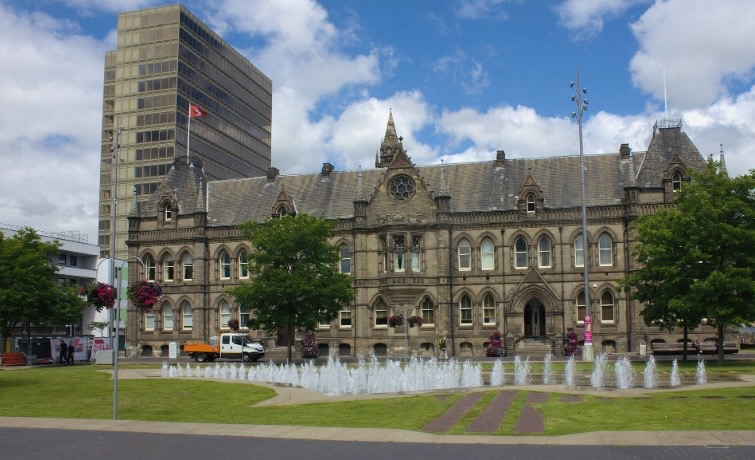
Heavy industry built this Tees Valley town, with petrochemicals, steel, and manufacturing still employing thousands at companies like SABIC and British Steel. The public sector provides stable work through the NHS, Teesside University, and local government, while the service economy has grown around retail parks and call centers. Unemployment runs higher than the national average at around 6.2%, and wages lag behind southern England — expect £22,000-28,000 for most professional roles. The Riverside Stadium and Middlesbrough FC generate seasonal employment, but don't expect football to drive the local economy.
Rent averages £550 monthly for a city center one-bedroom, making housing genuinely affordable compared to most UK cities. The train to London takes 3.5 hours and costs £80+ return, while local buses connect the town adequately for £2 per journey. NHS healthcare access is standard for the UK, though waiting times for specialists can stretch months. English is obviously no barrier, but the Teesside accent takes adjustment. Council services work efficiently enough, and setting up utilities or registering with a GP involves typical British bureaucracy — annoying but functional.
Winters are grey and damp with temperatures around 4°C, while summers peak at a mild 18°C — pack layers year-round. The food scene centers on traditional pubs, curry houses, and the occasional gastropub, with Captain Cook Square offering chain restaurants. Nightlife exists but won't impress anyone coming from Manchester or Newcastle. The expat community is minimal since most international residents are students at Teesside University. Weekend activities include hiking in the North York Moors, visiting nearby Whitby, or catching Boro matches. This suits people prioritizing low costs over cultural amenities, or those using it as a northern England base.