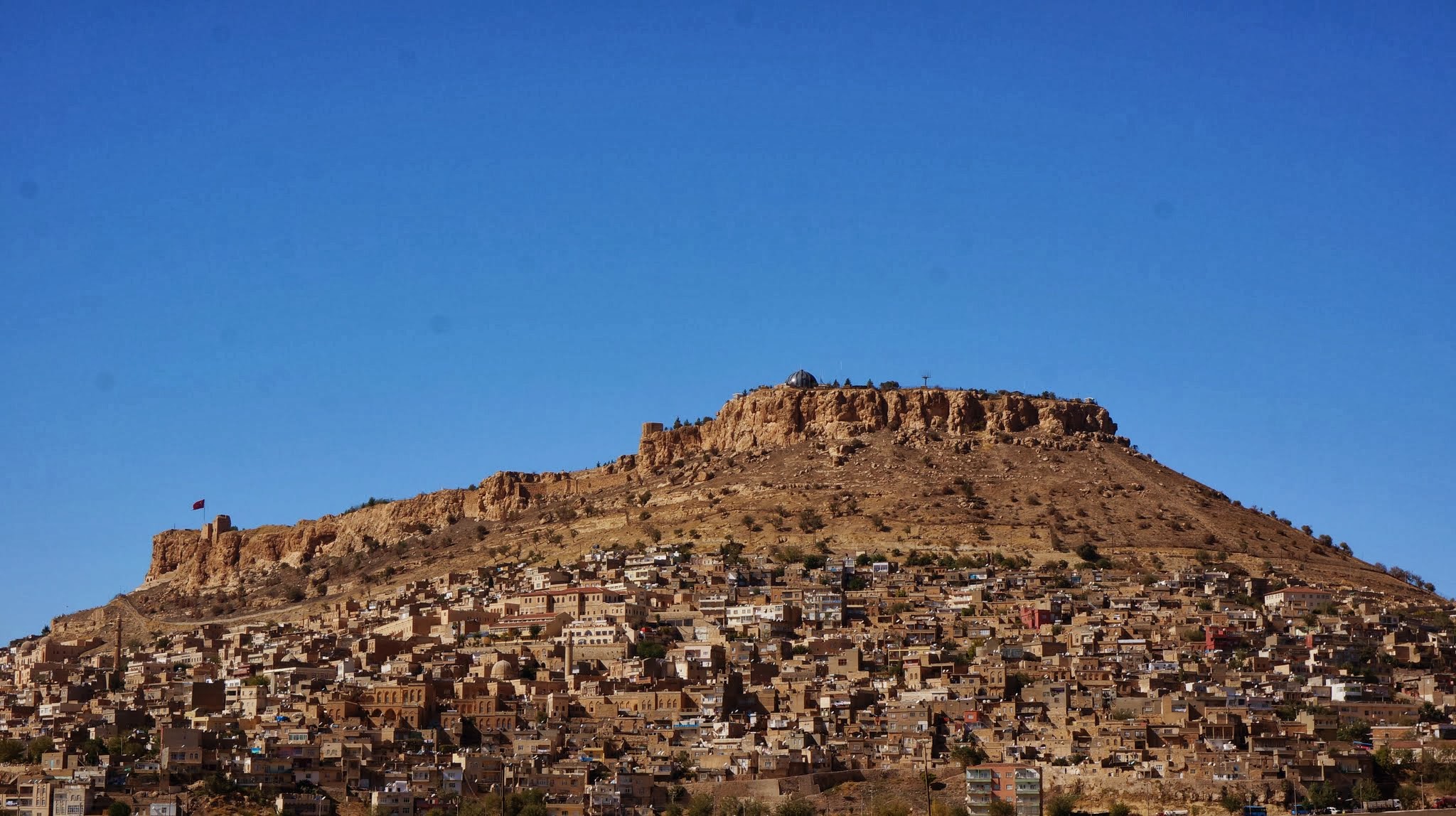
Mardin, Turkey
Data updated Sep 3, 2026
📊 Scores
Best fit: FIRE / Geoarbitrage (score: 76)
Agriculture and livestock dominate the local economy, with farmers growing wheat, barley, and pistachios across the surrounding plains. Traditional handicrafts like stone masonry and carpet weaving provide income for skilled artisans, though these markets remain small. Tourism has grown steadily thanks to UNESCO recognition of the city's Artuqid architecture, creating jobs in hospitality and guiding. Cross-border trade with Syria and Iraq offers opportunities, but political instability frequently disrupts these routes. Remote work is your best bet for steady income.
Rent averages $340/month for a one-bedroom in the city center, with utilities adding another $50-80. Public transport is limited to minibuses and dolmuş routes, so expect to walk or rent a car for $200-300 monthly. Healthcare relies on the state hospital and a few private clinics—serious cases require travel to Diyarbakır, 90 minutes away. Kurdish is widely spoken alongside Turkish, creating language barriers for monolingual English speakers. Bureaucracy moves slowly, and internet speeds rarely exceed 25 Mbps.
Summers hit 40°C regularly with minimal rainfall, while winters stay mild around 10°C. The food scene centers on southeastern Turkish cuisine—kebabs, bulgur dishes, and strong tea culture. Weekend activities include exploring ancient monasteries, visiting nearby Hasankeyf, or day trips to the Tigris River. The expat community is virtually nonexistent outside of occasional researchers and NGO workers. This city suits history enthusiasts and digital nomads seeking ultra-low costs, but requires serious tolerance for isolation and bureaucratic friction.
🏚️ Cost of Living
💰 Budgets and Costs
Grocery Basket
Eating Out
Utilities & Lifestyle
Housing
A 1BR in the center runs about $249.53/mo. If your income is in another currency, bank FX fees add up. A multi-currency account can cut that cost.
See low-fee transfersWe may earn a commission at no cost to you.
💰 Real Spend Reports
🛡️ Safety & Crime
(Higher is safer)
(Lower is safer)
Mardin is genuinely safe for expats in day-to-day life. The old medina and main streets are walkable during daylight and early evening, with a strong community presence and low violent crime. Night walks require normal caution rather than fear. The city's reputation as a cultural hub attracts respectful visitors and residents, contributing to a stable, welcoming atmosphere that feels safer than many Turkish cities.
Petty theft and pickpocketing occur occasionally in crowded bazaars and tourist areas, but violent crime is rare. Scams targeting foreigners are minimal compared to coastal tourist zones. Solo female travelers report feeling comfortable, though modest dress is respectful and practical. Avoid displaying expensive jewelry or electronics. The main risk is opportunistic theft rather than organized crime or confrontation.
Mardin sits near the Syrian border in a historically Kurdish region, but the city itself is politically stable and well-policed. Turkish security forces maintain a visible presence, which some find reassuring and others find heavy-handed—context matters for your comfort level. Corruption is present but not predatory toward residents. Police are generally reliable for expats. Overall, Mardin is a solid choice for remote workers and retirees seeking authentic culture with genuine safety.
🏥 Healthcare
🌤️ Climate
Best Months
Climate Notes
Mardin has hot, dry summers exceeding 38°C and cold winters around 4°C with occasional snow, offering a dramatic continental climate with minimal rainfall year-round.
💻 Digital Nomad
Community Notes
| Name | Price/mo | Notes |
|---|---|---|
| Mardin Artuklu Halk Eğitim Merkezi | $25 | While not a traditional coworking space, this community center offers affordable access to computers and internet, making it a budget-friendly option for digital nomads. Located in Artuklu, it provides a local experience and a chance to connect with the community. |
| Mardin Tekmer | $50 | Mardin Tekmer is a technology development center that may offer office space and resources suitable for remote workers and startups. Located in the organized industrial zone outside the city center, it provides a more professional environment. |
Planning to live in Mardin long-term? Turkey Digital Nomad Visa lets remote workers live legally with a minimum income of $3,000/month.
View full requirements →Working remotely from Mardin? Nomad health insurance covers you across borders, month to month.
See nomad insuranceWe may earn a commission at no cost to you.
🧳 Expat Life
Expat Life Notes
Mardin is a stunning hilltop city in southeastern Turkey with extraordinary Syriac Christian heritage and Arab-influenced architecture. It attracts academics, heritage professionals, and some adventurous expats. Its proximity to the Syrian border requires awareness of regional dynamics.
Pros
- ✓ Extraordinary historic architecture
- ✓ Unique multicultural heritage
- ✓ Artisan traditions
Cons
- ✗ Border region security considerations
- ✗ Limited English
- ✗ Remote from Istanbul
🛂 Visa Options for Turkey
Many long-stay visas require proof of health insurance. Compare international health plans before you apply.
Compare health insuranceWe may earn a commission at no cost to you.
Living on investment or passive income? Turkey Short-Term Residence Permit may be the right fit — minimum $773/month required.
View full requirements →Earning over $773/mo? You may qualify for a Turkey visa.
Answer 10 questions and get a personalized match in under 2 minutes.
Could living/working in Mardin cut years off your work life?
With a 1-bedroom in the center at $150/mo, your FIRE number here might be much lower than you think.
Moving to Mardin? Estimate what an international move would cost and compare mover quotes.
Estimate my move costShare This Guide
Mardin won't stay this cheap forever.
Cost-of-living and visa updates for Mardin and the rest of Turkey. Free with RA Postcards.
By submitting your email address, you will receive a free subscription to RA Postcards and special offers from Rewire Abroad and our affiliates. You can unsubscribe at any time, and we encourage you to read more about our Privacy Policy.