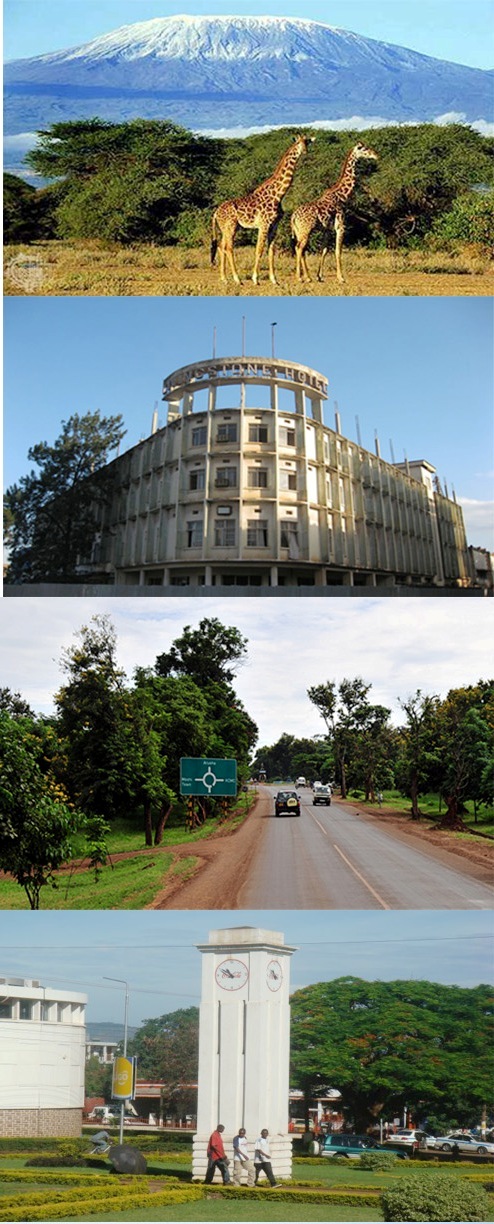
Moshi, Tanzania
Data updated Sep 29, 2026
📊 Scores
Best fit: FIRE / Geoarbitrage (score: 71)
Tourism drives Moshi's economy, with safari operators, hotels, and Kilimanjaro climbing outfitters employing thousands in guiding, logistics, and hospitality. Major manufacturers like Coca-Cola's Bonite Bottlers and Serengeti Breweries provide steady industrial jobs, while regional government offices offer administrative positions. Agriculture still matters — banana farms and pyrethrum cultivation support rural incomes, though tourism money flows more reliably. The annual KiliFair trade show brings 4,000+ visitors, highlighting how dependent this economy is on East Africa's safari circuit.
One-bedroom apartments in the city center run $350/month, with basic utilities adding another $50-80. Public transport relies on daladala minibuses (around $0.50 per ride) and motorcycle taxis, though many expats end up buying cars for reliability. Healthcare is limited — Kilimanjaro Christian Medical Centre handles serious cases, but you'll likely travel to Dar es Salaam or Nairobi for specialized treatment. Swahili is essential for daily life; English works in tourism businesses but nowhere else. Government bureaucracy moves slowly, especially for work permits.
The highland climate stays pleasantly cool year-round, with temperatures rarely exceeding 80°F, though the rainy seasons (March-May, November-December) bring serious downpours. Food centers on ugali, rice, and grilled meat, with decent Indian restaurants serving the local Asian community. The expat scene is small — maybe 200-300 foreigners total, mostly NGO workers, researchers, and long-term safari guides. Weekends mean hiking Kilimanjaro's lower slopes, visiting coffee farms, or day trips to nearby lakes. This works for outdoorsy types who don't need urban amenities and can handle limited infrastructure.
🏚️ Cost of Living
💰 Budgets and Costs
Grocery Basket
Eating Out
Utilities & Lifestyle
Housing
A 1BR in the center runs about $350/mo. If your income is in another currency, bank FX fees add up. A multi-currency account can cut that cost.
See low-fee transfersWe may earn a commission at no cost to you.
💰 Real Spend Reports
🛡️ Safety & Crime
(Higher is safer)
(Lower is safer)
Moshi is generally considered one of Tanzania's safer cities, with a relaxed, walkable town center during daylight hours. Most expats report feeling comfortable moving around during the day, though nighttime walks are best avoided or done in groups. The city's smaller size and tight-knit expat community create a relatively secure environment compared to Dar es Salaam or Nairobi, though petty crime remains a baseline concern.
Petty theft—phone snatching, bag theft from vehicles, and pickpocketing in crowded markets—is the primary risk. Avoid displaying expensive electronics, jewelry, or large cash amounts. The Moshi market area requires vigilance. Solo female travelers should exercise standard precautions: avoid isolated areas after dark and use trusted transport. Violent crime targeting expats is rare but not unheard of; armed robbery occurs occasionally in outlying areas.
Tanzania's political environment is relatively stable, though police corruption and inconsistent enforcement are realities. Moshi itself sees minimal political unrest. The main concern is reliance on local police for serious incidents—response times can be slow and investigations may stall. For Americans considering relocation, Moshi offers genuine safety advantages over larger Tanzanian cities, but requires standard expat vigilance: secure housing, trusted networks, and awareness of surroundings.
Moshi has a safety index of 55/100. Petty theft and lost belongings are the most common problems for newcomers. Compare travel insurance before you go.
Compare travel insuranceWe may earn a commission at no cost to you.
🏥 Healthcare
🌤️ Climate
Best Months
Climate Notes
Moshi has a tropical highland climate with two rainy seasons (March-May and November-December), mild year-round temperatures due to its elevation near Mount Kilimanjaro, and relatively cool, dry conditions from June to October.
💻 Digital Nomad
Community Notes
| Name | Price/mo | Notes |
|---|---|---|
| Kilimanjaro Co-working Space | $80 | Located in the Rau area, this space offers a reliable internet connection, a quiet working environment, and a supportive community, making it ideal for digital nomads seeking a productive and collaborative atmosphere. |
| Moshi Colab | $70 | Situated near the center of Moshi, Moshi Colab provides a comfortable and affordable workspace with essential amenities like Wi-Fi, printing, and meeting rooms, catering to the needs of budget-conscious remote workers. |
| Kilema Hub | $60 | Located in the quieter Kilema area, this hub offers a more relaxed and nature-focused environment, perfect for those seeking a peaceful workspace away from the bustle of the town center. |
Working remotely from Moshi? Nomad health insurance covers you across borders, month to month.
See nomad insuranceWe may earn a commission at no cost to you.
🧳 Expat Life
Expat Life Notes
Moshi is a city in Kilimanjaro Region at the base of Mount Kilimanjaro, a gateway for Kili climbers. It has seasonal trekking tourists and some NGO presence but minimal year-round expat infrastructure.
Pros
- ✓ Gateway to Mount Kilimanjaro
- ✓ Cool highland climate
- ✓ NGO and conservation sector presence
Cons
- ✗ Seasonal tourist economy
- ✗ Limited English year-round
- ✗ Basic infrastructure
Could living/working in Moshi cut years off your work life?
With a 1-bedroom in the center at $210/mo, your FIRE number here might be much lower than you think.
Estimate the cost of moving to Moshi, Tanzania
Get a free moving cost estimate for moving to Moshi, Tanzania. Takes 10 seconds.
How much are you shipping?
When are you moving?
Powered by Sirelo. Free quotes from verified international movers.
Share This Guide
Moshi won't stay this cheap forever.
Cost-of-living and visa updates for Moshi and the rest of Tanzania. Free with RA Postcards.
By submitting your email address, you will receive a free subscription to RA Postcards and special offers from Rewire Abroad and our affiliates. You can unsubscribe at any time, and we encourage you to read more about our Privacy Policy.