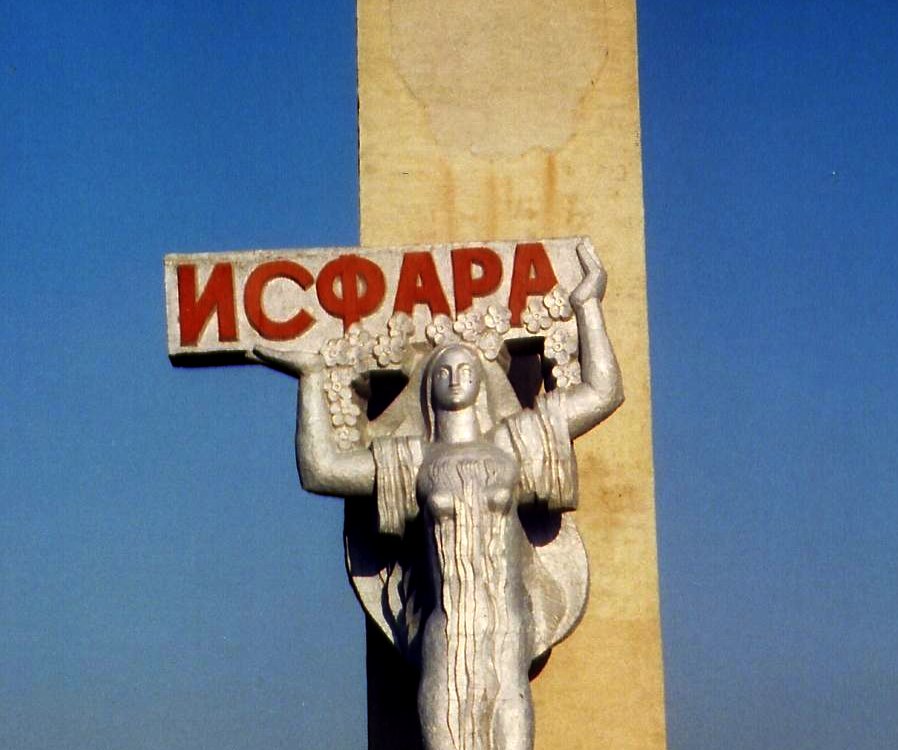
Isfara, Tajikistan
Data updated Sep 3, 2026
📊 Scores
Best fit: FIRE / Geoarbitrage (score: 82)
Manufacturing and agriculture anchor Isfara's economy. About 20 industrial firms produce electrical equipment, chemicals, metallurgical goods, and construction materials—typical Soviet-era factories still operating. Apricot orchards remain culturally significant and historically productive, though agriculture now employs fewer people than it did decades ago. Most expats here work remotely; local job opportunities for foreigners are minimal unless you have manufacturing or NGO connections.
A one-bedroom in the city center runs $180/month; utilities add another $30–50. Public transport is cheap but unreliable—minibuses (marshrutkas) dominate, no formal schedule. Healthcare is basic; serious issues require travel to Dushanbe (6+ hours) or Khujand (90km away). Tajik is essential; Russian helps but English is rare. Bureaucracy is slow and opaque; visa extensions and residency permits require patience and local fixers. Internet is adequate but occasionally cuts out.
Winters drop to -2.7°C average; summers are hot and dry. Food is simple—bread, rice, meat, seasonal vegetables—with limited variety. The expat community is tiny, mostly NGO workers and teachers. Weekends mean hiking nearby mountains, visiting Khujand, or driving to Uzbekistan. Geopolitical tension with Kyrgyzstan over the Isfara Valley creates occasional military activity and checkpoints. This city suits only remote workers seeking extreme affordability and isolation, or those with specific work commitments here.
🏚️ Cost of Living
💰 Budgets and Costs
Grocery Basket
Eating Out
Utilities & Lifestyle
Housing
A 1BR in the center runs about $180/mo. If your income is in another currency, bank FX fees add up. A multi-currency account can cut that cost.
See low-fee transfersWe may earn a commission at no cost to you.
💰 Real Spend Reports
🛡️ Safety & Crime
(Higher is safer)
(Lower is safer)
Isfara is a small, relatively quiet city where expats report feeling reasonably safe during daylight hours. The local community is generally welcoming, and petty crime against foreigners is uncommon. However, nighttime walkability is limited—most expats avoid walking alone after dark, and reliable transportation options are scarce. The city lacks the cosmopolitan infrastructure of larger Central Asian hubs, which can feel isolating but also means lower crime rates than regional capitals.
Petty theft and pickpocketing occur occasionally, particularly in bazaars and crowded areas. Scams targeting foreigners are rare but possible, especially around currency exchange or unofficial transactions. Violent crime against expats is uncommon, though tensions between ethnic groups and occasional border-related incidents in the region warrant awareness. Solo female travelers should exercise standard precautions—avoid isolated areas, dress conservatively, and use trusted transportation. Police presence is visible but corruption remains a concern.
Tajikistan's geopolitical position near Afghanistan and periodic border tensions with Kyrgyzstan create underlying instability, though Isfara itself is distant from active conflict zones. Political protests are rare and typically localized. Police are generally not reliable for expat issues; corruption is endemic. For Americans considering relocation, Isfara offers genuine safety for daily life but requires acceptance of limited services, bureaucratic friction, and the need for self-reliance. It suits those seeking authentic Central Asian experience over comfort and convenience.
Isfara has a safety index of 62/100. Petty theft and lost belongings are the most common problems for newcomers. Compare travel insurance before you go.
Compare travel insuranceWe may earn a commission at no cost to you.
🏥 Healthcare
🌤️ Climate
Best Months
Climate Notes
Isfara has a continental climate with hot, dry summers (June-August) and cold winters (December-February), featuring moderate spring and autumn transitions ideal for outdoor activities.
💻 Digital Nomad
Community Notes
| Name | Price/mo | Notes |
|---|---|---|
| Isfara Business Incubator | $30 | While not a traditional coworking space, the Isfara Business Incubator offers affordable office space and resources for entrepreneurs and small businesses, including internet access and meeting rooms. Located in the city center, it's a practical option for budget-conscious remote workers seeking a basic workspace. |
| Sugd Innovation Center (Branch in Isfara) | $40 | Similar to the Business Incubator, the Sugd Innovation Center's branch in Isfara provides a supportive environment for startups and freelancers. It offers shared office spaces, training programs, and networking opportunities, making it suitable for digital nomads looking to connect with the local business community. Located near the main bazaar. |
Working remotely from Isfara? Nomad health insurance covers you across borders, month to month.
See nomad insuranceWe may earn a commission at no cost to you.
🧳 Expat Life
Expat Life Notes
A border city known for its apricot production. Very local with minimal infrastructure for international residents.
Pros
- ✓ Unique culture
- ✓ Safe within the town
Cons
- ✗ Political sensitivities (border)
- ✗ Severe language barrier
- ✗ Poor infrastructure
Could living/working in Isfara cut years off your work life?
With a 1-bedroom in the center at $108/mo, your FIRE number here might be much lower than you think.
Moving to Isfara? Estimate what an international move would cost and compare mover quotes.
Estimate my move costShare This Guide
Isfara won't stay this cheap forever.
Cost-of-living and visa updates for Isfara and the rest of Tajikistan. Free with RA Postcards.
By submitting your email address, you will receive a free subscription to RA Postcards and special offers from Rewire Abroad and our affiliates. You can unsubscribe at any time, and we encourage you to read more about our Privacy Policy.