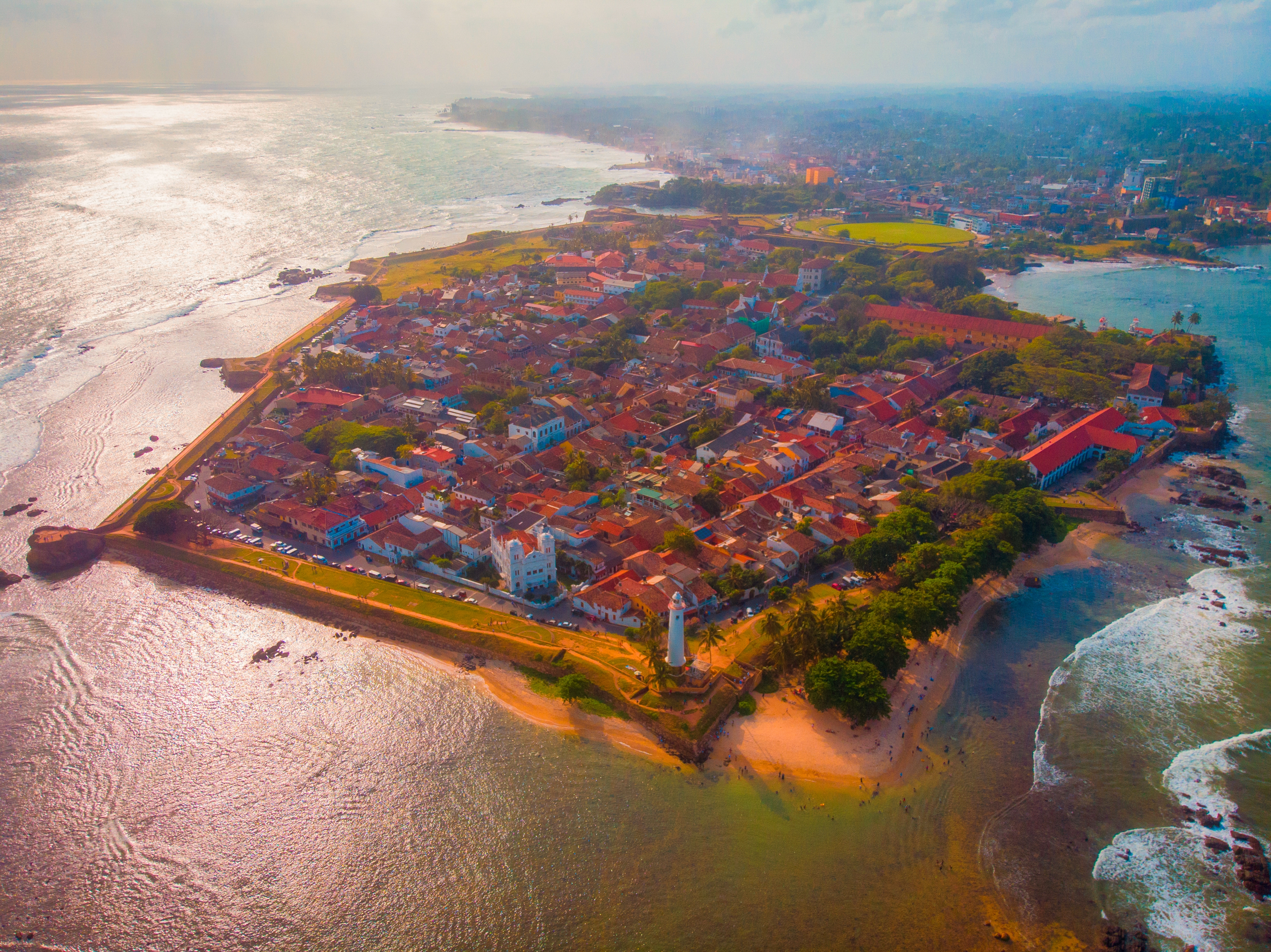
Galle, Sri Lanka
Data updated Sep 29, 2026
📊 Scores
Best fit: FIRE / Geoarbitrage (score: 81)
Tourism and fishing keep this town alive, and if you're not tapping into one of those two flows, you're earning your money elsewhere. Most foreigners who stick around are remote workers on Western salaries or semi-retired folks who bought a guesthouse and now spend their mornings arguing with plumbers. There is no local job market for you. None. The math works because your dollars stretch obscenely far. A one-bedroom in the fort area runs $280 a month. Your total monthly spend, excluding rent, hovers around $420. That covers groceries, tuk-tuk rides, the occasional beer, and the electricity bill you'll hate seeing during the ceiling-fan-all-night season. Internet averages 48 Mbps, which is fine for Zoom calls but gets wobbly during monsoon downpours. The port is genuinely active. You'll hear the fishing boats before sunrise and smell them by midmorning. It's postcard pretty in parts, sure. But this is a working coastal town with a tourism layer, not a resort.
Housing is straightforward until it isn't. The $280 figure gets you something decent in the center. If you want a fort-view or beachfront apartment, double it, and prepare for dampness that never fully leaves your sheets. Tuk-tuks dominate transport. A bus ride costs 30 cents. The expressway to Colombo takes two hours when you need a real hospital, which you will, because healthcare here handles cuts and fevers and not much else. Bureaucracy is less punishing than in much of Southeast Asia, but visa runs remain the default strategy for long stays. English works fine inside the fort and along the tourist strip. Stray two blocks inland and you'll need Sinhala or patience. Humidity from May to September is the real test. Not charming tropical warmth. The kind that makes your passport pages curl and your laptop feel like it's sweating. The town shuts down by 9 p.m. consistently and completely.
You'll thrive here if you want solitude, salt air, and a life where the highlight of your week is a sunset walk on the ramparts or a cricket match at the stadium. Writers, painters, burned-out consultants, remote workers who just need quiet and cheap rent. All good fits. The expat crowd is small, transient, and tends to swap the same three WhatsApp groups before moving on after six months. You will not build a permanent community. That's just the deal. Don't come expecting nightlife, don't come expecting career opportunities, don't come if you need consistent infrastructure. The 2004 tsunami lingers in the city's memory and in the architecture, and you'll notice the pragmatism that came with rebuilding. Galle rewards people who find contentment in small rituals. If you're already restless reading this, pick somewhere louder.
🏚️ Cost of Living
💰 Budgets and Costs
Grocery Basket
Eating Out
Utilities & Lifestyle
Housing
A 1BR in the center runs about $280/mo. If your income is in another currency, bank FX fees add up. A multi-currency account can cut that cost.
See low-fee transfersWe may earn a commission at no cost to you.
💰 Real Spend Reports
🛡️ Safety & Crime
(Higher is safer)
(Lower is safer)
Galle is genuinely one of Sri Lanka's safer cities, with a relaxed, walkable atmosphere that appeals to expats. Day-to-day life feels secure; locals are friendly and theft is uncommon compared to Colombo. Walking at night in the fort area and main streets is generally safe, though quieter neighborhoods warrant standard caution. The city's small-town character and tourism infrastructure create a stable, predictable environment.
Petty theft and opportunistic bag-snatching occur but are infrequent. Avoid displaying expensive jewelry, cameras, or large cash amounts. Scams targeting tourists exist (overpriced tours, gem shop schemes) but rarely affect residents. Solo female travelers report feeling comfortable here. The main risk is petty crime in crowded markets or near the bus station; stick to well-lit areas after dark and use registered taxis rather than hailing on the street.
Sri Lanka's political environment is stable post-civil war, though economic volatility and occasional protests occur nationwide. Galle itself experiences minimal unrest. Police presence is adequate but corruption exists; avoid confrontations and keep documentation handy. For Americans considering relocation, Galle offers genuine safety and quality of life—significantly safer than Colombo with lower cost of living. It's a realistic option for remote workers or retirees seeking a quiet, secure base.
Galle has a safety index of 60/100. Petty theft and lost belongings are the most common problems for newcomers. Compare travel insurance before you go.
Compare travel insuranceWe may earn a commission at no cost to you.
🏥 Healthcare
🌤️ Climate
Best Months
Climate Notes
Galle has a tropical climate with warm temperatures year-round, a monsoon-influenced wet season from May to September, and a drier season from December to March ideal for expats seeking beach living.
💻 Digital Nomad
Community Notes
Working remotely from Galle? Nomad health insurance covers you across borders, month to month.
See nomad insuranceWe may earn a commission at no cost to you.
🧳 Expat Life
Expat Life Notes
Galle is a historic UNESCO-listed Dutch colonial fort city in southern Sri Lanka, increasingly popular with digital nomads and retirees. The Fort area has a distinct expat character.
Pros
- ✓ UNESCO World Heritage fort
- ✓ Growing digital nomad scene
- ✓ Surf and beaches nearby
Cons
- ✗ High prices inside fort area
- ✗ Limited English outside tourist zones
- ✗ Infrastructure outside Fort is basic
🛂 Visa Options for Sri Lanka
Many long-stay visas require proof of health insurance. Compare international health plans before you apply.
Compare health insuranceWe may earn a commission at no cost to you.
Earning over $350/mo? You may qualify for a Sri Lanka visa.
Answer 10 questions and get a personalized match in under 2 minutes.
Could living/working in Galle cut years off your work life?
With a 1-bedroom in the center at $168/mo, your FIRE number here might be much lower than you think.
Moving to Galle? Estimate what an international move would cost and compare mover quotes.
Estimate my move costShare This Guide
Galle won't stay this cheap forever.
Cost-of-living and visa updates for Galle and the rest of Sri Lanka. Free with RA Postcards.
By submitting your email address, you will receive a free subscription to RA Postcards and special offers from Rewire Abroad and our affiliates. You can unsubscribe at any time, and we encourage you to read more about our Privacy Policy.