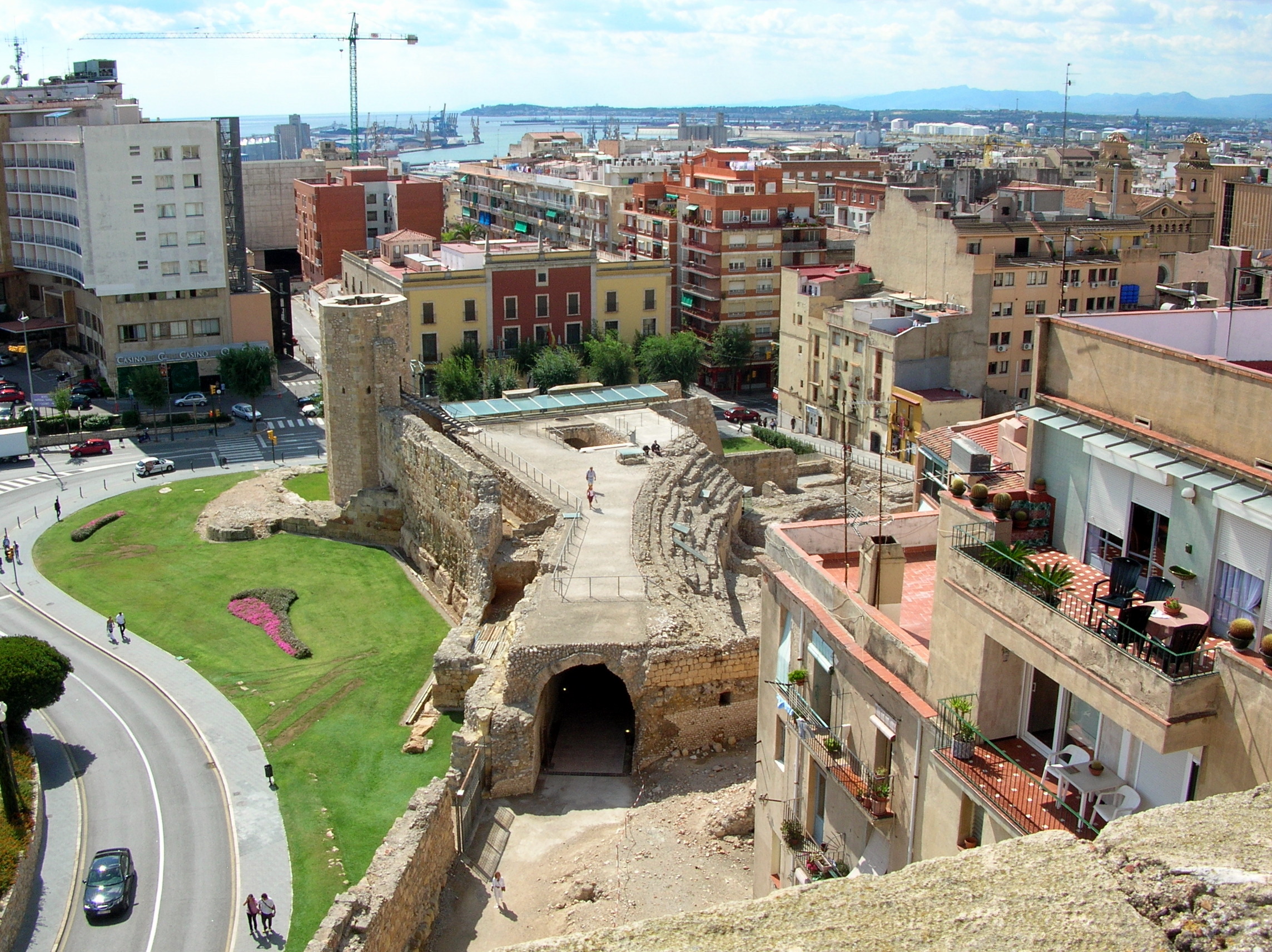
Tarragona, Spain
Data updated Sep 3, 2026
📊 Scores
Best fit: FIRE / Geoarbitrage (score: 75)
Petrochemical refineries run the show here. Repsol and Dow Chemical anchor an industrial belt that turns out solid middle-class paychecks for engineers, technicians, and plant operators, while the port hums with logistics and pharmaceutical manufacturing. Tourism is the side hustle: PortAventura draws seasonal crowds and the Roman ruins bring day-trippers from Barcelona, but neither defines the town's rhythm the way the refineries do. Foreigners without fluent Spanish and technical qualifications will find the local job market almost completely closed. Remote work is the only realistic play for expats arriving without a pre-stacked offer, and the numbers pencil out: figure $850 for a one-bedroom in the center, another $880 for everything else, and you're running a life at roughly half Barcelona's price while sitting on the same coastline.
Housing is cheaper but tightening, thanks to tourism pressure that's been pushing rents up faster than locals appreciate. You'll find a place, but expect the lease and all utility setup to come at you in Catalan first, Spanish second, and English not at all. The healthcare system is genuinely capable once you survive the paperwork gauntlet: bring patience, your NIE, your social security number, your padrón certificate, and probably a photocopy of your photocopies. Internet clocks in at a respectable 80 Mbps. The train to Barcelona takes 90 minutes and costs €8 to €12, which makes commuting possible but soul-draining if you're doing it daily. Summers scrape 35°C and the humidity sits on you. Winters are mild and sunny. Basic Spanish gets you through daily errands, but official documents and many shop signs default to Catalan, and that friction accumulates in ways that feel petty and persistent. The expat community is small, practical, and mostly tied to the industrial plants or retirement, not the sort of scene where you stumble into a weekly language exchange or coworking collective.
This city makes sense if you're a retiree chasing 2,800 hours of annual sunshine on a Spanish coast without the Barcelona price tag, or if you're a remote worker who genuinely wants to be left alone. The safety index sits at 80 out of 100, the crime index at 20, and the beaches are decent enough to keep weekends pleasant without ever being spectacular. But if you're a digital nomad hunting a lively international community, fast networking opportunities, or any kind of startup energy, Tarragona will disappoint you within the first month. The town is industrial, practical, and a little insular. It rewards people who need nothing more than affordable Mediterranean living and a stable rhythm. Everyone else will feel the pull of Barcelona 90 minutes up the tracks, wondering why they didn't just pay the premium to be there instead.
🏚️ Cost of Living
💰 Budgets and Costs
Grocery Basket
Eating Out
Utilities & Lifestyle
Housing
A 1BR in the center runs about $850/mo. If your income is in another currency, bank FX fees add up. A multi-currency account can cut that cost.
See low-fee transfersWe may earn a commission at no cost to you.
💰 Real Spend Reports
🛡️ Safety & Crime
(Higher is safer)
(Lower is safer)
Tarragona is genuinely safe for daily life. The city feels walkable and secure at night, with locals and expats moving freely after dark without significant concern. The Safety Index of 80 reflects reality—this is a relaxed Mediterranean port city where violent crime is rare. You'll notice a calm, orderly atmosphere typical of well-managed Spanish coastal towns, though it lacks the buzz of larger cities.
Petty theft and pickpocketing occur occasionally, especially in crowded areas like the beach promenade and train station, but rates are low compared to major European cities. Scams targeting tourists exist but are uncommon. Solo female travelers report feeling comfortable here. Avoid displaying expensive items, use standard urban awareness, and stay alert in the old quarter late at night—not because it's dangerous, but because it's isolated. Organized crime and drug-related violence are not expat concerns.
Spain's political climate is stable; Catalonia's independence debates rarely affect daily safety or expat life in Tarragona. Police are professional and reliable. Corruption is minimal by European standards. The city has strong municipal services and low unemployment relative to Spain. For Americans aged 30–65 considering relocation, Tarragona presents minimal safety barriers—it's an excellent choice for remote workers or retirees seeking a secure, affordable Mediterranean lifestyle without the crime concerns of larger Spanish cities.
🏥 Healthcare
🌤️ Climate
Best Months
Climate Notes
Tarragona enjoys a Mediterranean climate with warm, dry summers (June-September) and mild winters, making it ideal for expats seeking beach lifestyle with minimal extreme weather.
💻 Digital Nomad
Community Notes
Planning to live in Tarragona long-term? Spain Digital Nomad Visa lets remote workers live legally with a minimum income of $1,627/month.
View full requirements →Working remotely from Tarragona? Nomad health insurance covers you across borders, month to month.
See nomad insuranceWe may earn a commission at no cost to you.
🧳 Expat Life
Expat Life Notes
Coastal safe city with Roman history. authentic but tourist friendly.
Pros
- ✓ Seafront life
- ✓ History
- ✓ Safe
Cons
- ✗ Limited English in suburbs
🛂 Visa Options for Spain
Many long-stay visas require proof of health insurance. Compare international health plans before you apply.
Compare health insuranceWe may earn a commission at no cost to you.
Living on investment or passive income? Spain Non-Lucrative Visa may be the right fit — minimum $2,600/month required.
View full requirements →Earning over $1,627/mo? You may qualify for a Spain visa.
Answer 10 questions and get a personalized match in under 2 minutes.
Could living/working in Tarragona cut years off your work life?
With a 1-bedroom in the center at $510/mo, your FIRE number here might be much lower than you think.
Moving to Tarragona? Estimate what an international move would cost and compare mover quotes.
Estimate my move costShare This Guide
Tarragona won't stay this cheap forever.
Cost-of-living and visa updates for Tarragona and the rest of Spain. Free with RA Postcards.
By submitting your email address, you will receive a free subscription to RA Postcards and special offers from Rewire Abroad and our affiliates. You can unsubscribe at any time, and we encourage you to read more about our Privacy Policy.