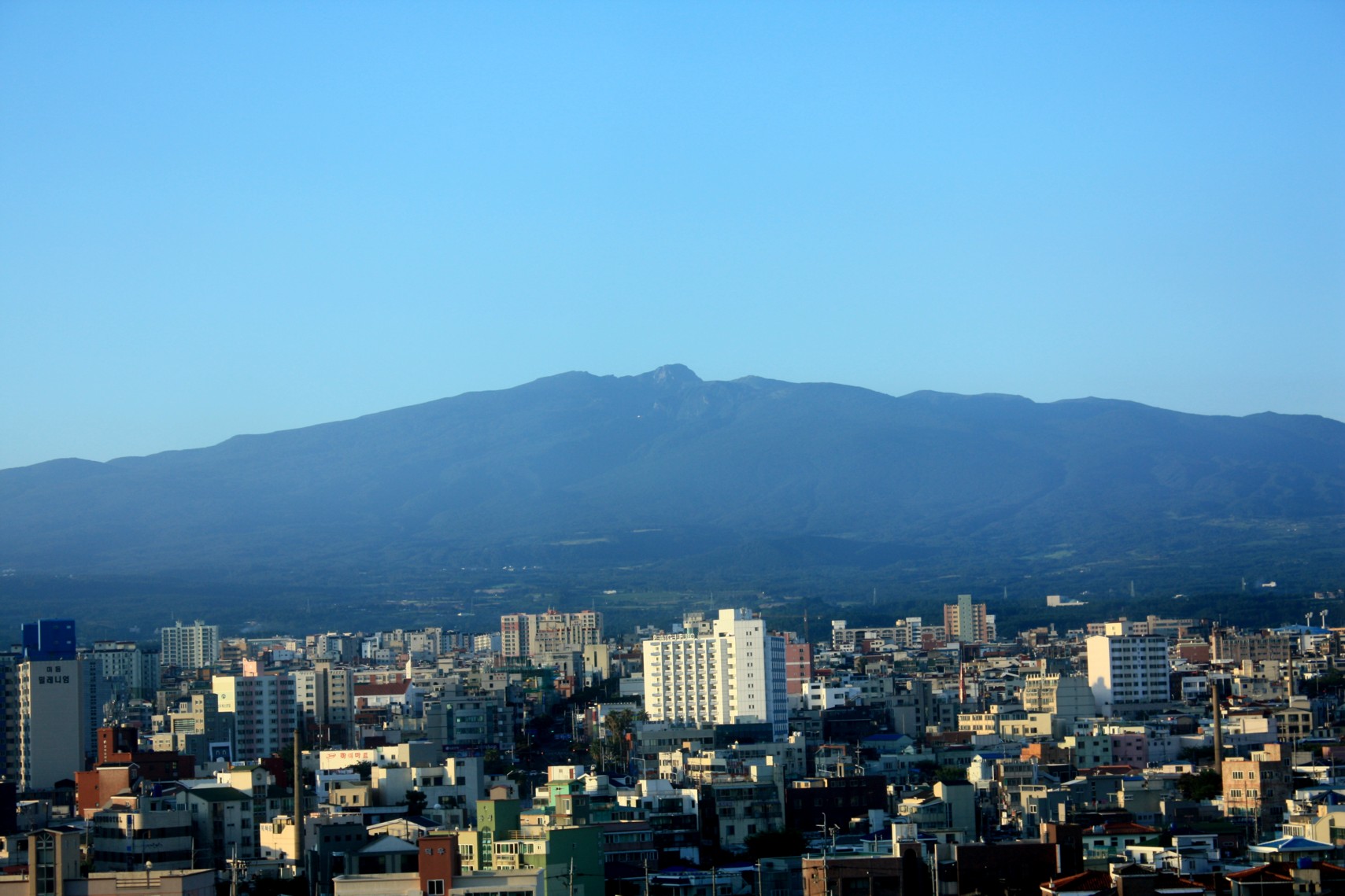
Jeju, South Korea
Data updated Sep 29, 2026
📊 Scores
Best fit: Digital Nomad (score: 75)
Tourism runs this island's economy, full stop. With 15 million visitors annually, the dominant employers are hotels, resorts, restaurants, and duty-free retail — Jeju's free trade zone status makes it a shopping hub that draws Korean and Chinese tourists specifically to spend. Agriculture (tangerines, black pork, seafood) and fishing employ a meaningful slice of locals, but for expats, remote work is the realistic path to income here. The job market for English speakers outside of teaching is thin, and Korean language skills are nearly mandatory for any local employment.
A one-bedroom in the city center runs around $800/month — higher than Seoul's outer districts and significantly above what most people expect from a Korean island. Groceries cost more than the mainland due to shipping logistics; expect to pay 15–20% premiums on basics. Public buses exist but are slow and infrequent outside Jeju City — a car or scooter is practically essential. Healthcare is accessible through Korea's national insurance system, which expats on long-term visas can join, but specialist care often means flying to Seoul. Bureaucracy follows standard Korean patterns: manageable but document-heavy, and almost entirely in Korean.
Winters are mild by Korean standards — rarely below 5°C — and summers are warm and humid with occasional typhoons. The food scene is genuinely good: black pork BBQ, abalone, and fresh seafood are local staples worth the price. The expat community is small and skews toward remote workers and retirees rather than a large social infrastructure — you won't find the expat bar scene of Seoul or Busan. Weekends mean hiking Hallasan, cycling coastal paths, or beach days from April through October. This city suits location-independent workers or early retirees who want natural beauty, safety, and a slower pace — and don't need a large English-speaking social network to feel at home.
🏚️ Cost of Living
💰 Budgets and Costs
Grocery Basket
Eating Out
Utilities & Lifestyle
Housing
A 1BR in the center runs about $435.09/mo. If your income is in another currency, bank FX fees add up. A multi-currency account can cut that cost.
See low-fee transfersWe may earn a commission at no cost to you.
💰 Real Spend Reports
🛡️ Safety & Crime
(Higher is safer)
(Lower is safer)
Jeju is genuinely one of South Korea's safest cities and feels markedly safer than most Western equivalents. Walking alone at night is routine and unremarkable; locals and expats alike move freely after dark without concern. The island's tourism infrastructure and strong police presence reinforce a tangible sense of security that matches its high safety index.
Petty theft and pickpocketing are rare but possible in crowded tourist areas like Jeju City's waterfront. Scams targeting foreigners are minimal compared to other Asian destinations. Violent crime is extremely uncommon. Solo female travelers report no specific safety concerns beyond standard urban awareness. The main practical risks involve traffic (aggressive driving) and occasional drunk-related incidents in nightlife districts rather than crime.
South Korea's political system is stable with reliable law enforcement and low corruption. Jeju has no geopolitical tensions specific to the island itself, though North Korea's proximity to the peninsula is a distant consideration for some expats—realistically not a daily concern. The verdict: Jeju is genuinely safe for American expats and retirees seeking a secure, walkable environment with minimal crime. It's an excellent choice for those prioritizing personal security.
🏥 Healthcare
🌤️ Climate
Best Months
Climate Notes
Humid subtropical climate with mild winters and warm, humid summers.
💻 Digital Nomad
Community Notes
| Name | Price/mo | Notes |
|---|---|---|
| JustCo Jeju | $250 | Located in Jeju Dream Tower, JustCo offers a premium coworking experience with modern amenities, stunning city views, and a professional atmosphere. Its central location in the heart of Jeju makes it easily accessible and ideal for digital nomads seeking a sophisticated workspace. |
| Regus Jeju | $200 | Regus has multiple locations in Jeju, offering reliable and standardized coworking solutions. These spaces provide a professional environment, meeting rooms, and administrative support, making them a practical choice for remote workers needing a functional workspace. |
| The Core Jeju | $180 | The Core Jeju is a popular coworking space known for its community vibe and focus on supporting local entrepreneurs and remote workers. Located near Jeju City Hall, it offers a collaborative environment with regular networking events, making it a great place to connect with other professionals. |
| Spaces Jeju | $220 | Located in Tapdong, Spaces Jeju offers a stylish and creative coworking environment. With its modern design, collaborative areas, and regular community events, it's a great option for digital nomads seeking inspiration and networking opportunities. |
Planning to live in Jeju long-term? South Korea Digital Nomad Visa lets remote workers live legally with a minimum income of $5,500/month.
View full requirements →Working remotely from Jeju? Nomad health insurance covers you across borders, month to month.
See nomad insuranceWe may earn a commission at no cost to you.
🧳 Expat Life
Expat Life Notes
Korea's premier holiday island attracts digital nomads and educators looking for a slower, nature-oriented pace of life.
Pros
- ✓ Stunning natural environment
- ✓ Relaxed lifestyle
- ✓ Cleaner air than the mainland
Cons
- ✗ Limited job market outside teaching/tourism
- ✗ Requires a car to get around
- ✗ Higher prices for mainland goods
🛂 Visa Options for South Korea
Many long-stay visas require proof of health insurance. Compare international health plans before you apply.
Compare health insuranceWe may earn a commission at no cost to you.
Earning over $5,500/mo? You may qualify for a South Korea visa.
Answer 10 questions and get a personalized match in under 2 minutes.
Could living/working in Jeju cut years off your work life?
With a 1-bedroom in the center at $435/mo, your FIRE number here might be much lower than you think.
Moving to Jeju? Estimate what an international move would cost and compare mover quotes.
Estimate my move costShare This Guide
Jeju won't stay this cheap forever.
Cost-of-living and visa updates for Jeju and the rest of South Korea. Free with RA Postcards.
By submitting your email address, you will receive a free subscription to RA Postcards and special offers from Rewire Abroad and our affiliates. You can unsubscribe at any time, and we encourage you to read more about our Privacy Policy.