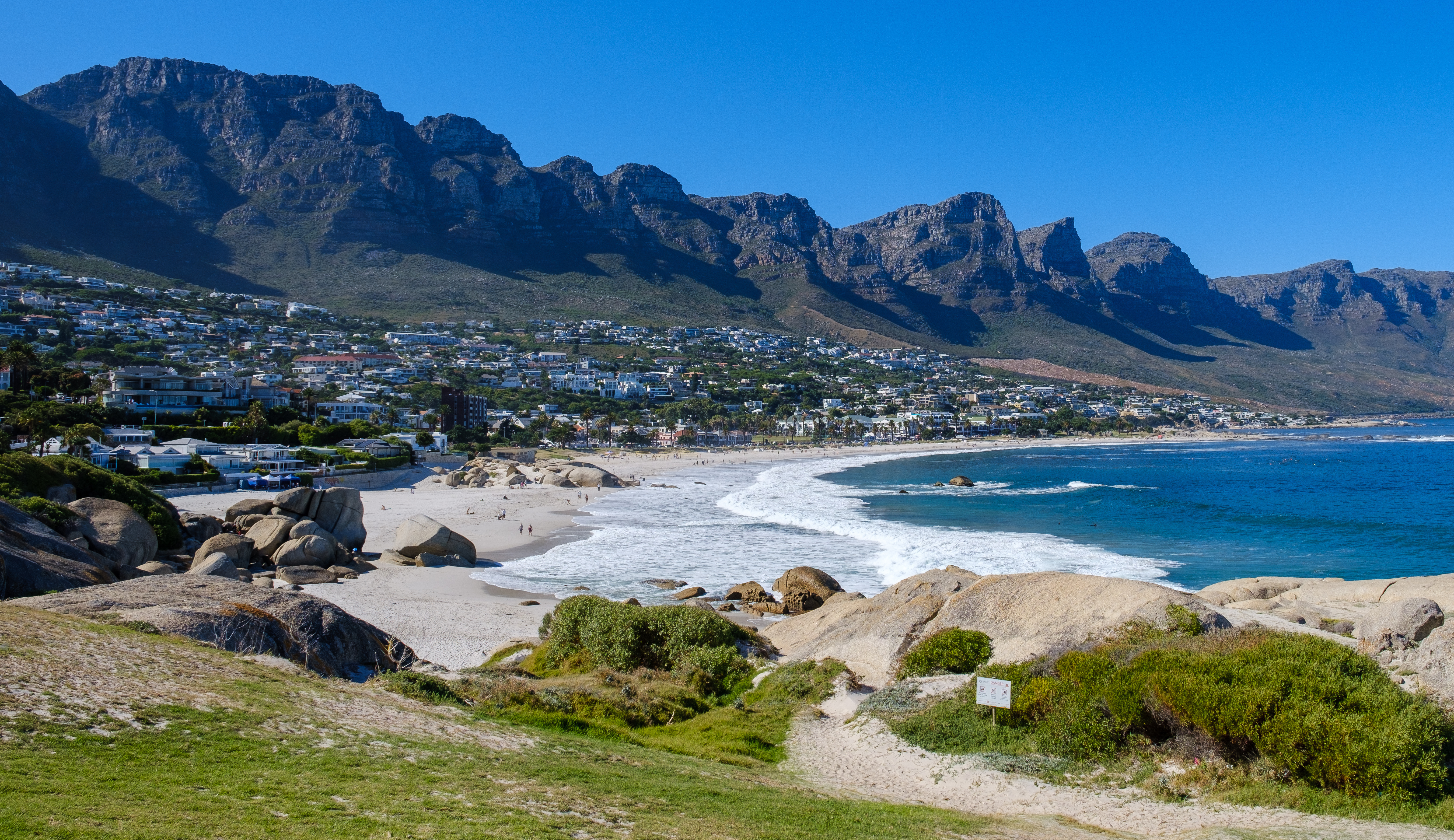
Cape Town, South Africa
Data updated Sep 29, 2026
📊 Scores
Best fit: Digital Nomad (score: 82)
Tourism is the engine here, but it's not the only one. Cape Town's economy spans financial services, wine production (the Winelands are 45 minutes away), commercial fishing, and a surprisingly active film and TV production sector — international productions regularly use the city as a stand-in for everywhere from ancient Rome to modern Europe. The Western Cape generates roughly 14% of South Africa's GDP, and Cape Town has the highest household incomes and lowest unemployment in the country, which still means unemployment is significant by global standards. Remote workers and digital nomads have flooded in since 2020, drawn by the exchange rate: earning in dollars or euros while spending in rand is genuinely powerful.
A one-bedroom in the city center runs around $850/month — reasonable for what you get, though cheaper options exist in suburbs like Observatory or Woodstock for $500–$600. The MyCiTi bus network exists but is limited in coverage; most expats end up needing a car or relying heavily on Uber, which is cheap and reliable. Private healthcare is excellent and affordable by Western standards — a GP visit runs $30–$50 without insurance. English is widely spoken, so there's no language barrier to speak of. The real friction is load-shedding: rolling power outages that can hit 4–8 hours daily during peak periods, which disrupts work and daily life in ways that genuinely wear people down.
Summers are dry, sunny, and warm (mid-70s°F), winters are mild but rainy and windier than most people expect. The food scene is legitimately strong — fresh seafood, excellent wine under $10 a bottle, and a restaurant culture that punches above its weight. Weekends mean hiking Table Mountain, surfing at Muizenberg, wine tasting in Stellenbosch, or driving the Cape Peninsula. The expat and digital nomad community is large and well-organized, with regular meetups in areas like Sea Point and the City Bowl. The safety index of 72 sounds reassuring until you realize crime is heavily concentrated and requires constant situational awareness — this city suits people who want serious lifestyle quality and can adapt to real infrastructure instability.
🏚️ Cost of Living
💰 Budgets and Costs
Grocery Basket
Eating Out
Utilities & Lifestyle
Housing
A 1BR in the center runs about $850/mo. If your income is in another currency, bank FX fees add up. A multi-currency account can cut that cost.
See low-fee transfersWe may earn a commission at no cost to you.
💰 Real Spend Reports
🛡️ Safety & Crime
(Higher is safer)
(Lower is safer)
Cape Town feels safer than its reputation suggests, especially in established expat neighborhoods like Camps Bay, Constantia, and the City Bowl. Daytime walkability is good in tourist and residential areas, though nighttime solo walks are best avoided in unfamiliar zones. The city's natural beauty and vibrant culture create a welcoming atmosphere, but situational awareness remains essential—it's genuinely safer than many American cities, yet requires the caution you'd apply in any major urban center.
Petty theft and opportunistic crime are the primary concerns: phone snatching, bag theft, and car break-ins occur regularly, particularly in parking lots and crowded areas. Avoid displaying valuables, and don't walk alone at night in townships or poorly lit areas. Violent crime is concentrated in specific neighborhoods (Mitchells Plain, Khayelitsha, Manenberg) that expats typically don't frequent. Solo female travelers should use standard precautions—trusted transport, group outings after dark—but report feeling generally safe during daylight hours.
South Africa's political climate is stable relative to the region, though service delivery protests and occasional xenophobic tensions exist. Police are generally reliable in affluent areas but corruption and response times vary. Load-shedding (rolling blackouts) is a practical concern affecting daily life more than safety. For Americans aged 30-65 with moderate street smarts and the ability to afford safer neighborhoods, Cape Town is a genuinely viable relocation option—the risk profile is manageable and lower than many assume.
🏥 Healthcare
🌤️ Climate
Best Months
Climate Notes
Mediterranean climate with mild, wet winters and warm, dry summers.
💻 Digital Nomad
Community Notes
| Name | Price/mo | Notes |
|---|---|---|
| Workshop17 Kloof Street | $180 | Located in Gardens, this space offers a vibrant community, excellent coffee, and regular events. It's popular with both locals and expats and has a strong focus on collaboration. |
| Ideas Cartel | $220 | With locations in Woodstock and the City Centre, Ideas Cartel provides a stylish and sophisticated workspace. They offer a mix of private offices and coworking areas, plus a hotel, making it ideal for digital nomads. |
| WeWork The Box | $250 | Located in trendy Woodstock, WeWork The Box offers a reliable and well-equipped coworking experience. It's a good option for those familiar with the WeWork brand and looking for a consistent workspace. |
| Regus Cape Town Convention Tower | $150 | Situated in the heart of the city center, Regus Convention Tower provides a professional and convenient workspace. It's a solid choice for those seeking a more corporate environment with flexible terms. |
Planning to live in Cape Town long-term? South Africa Digital Nomad Visa lets remote workers live legally with a minimum income of $2,950/month.
View full requirements →Working remotely from Cape Town? Nomad health insurance covers you across borders, month to month.
See nomad insuranceWe may earn a commission at no cost to you.
🧳 Expat Life
Expat Life Notes
One of the world's most beautiful cities, attracting digital nomads and retirees despite infrastructure challenges.
Pros
- ✓ Stunning nature and beaches
- ✓ Affordable high quality of life
- ✓ Native English
Cons
- ✗ High crime rates in certain areas
- ✗ Rolling power outages (Load shedding)
- ✗ Inequality is visible
🛂 Visa Options for South Africa
Many long-stay visas require proof of health insurance. Compare international health plans before you apply.
Compare health insuranceWe may earn a commission at no cost to you.
Living on investment or passive income? South Africa Financially Independent Person Visa may be the right fit.
View full requirements →Living on investment or passive income? South Africa Retired Person Visa may be the right fit — minimum $2,050/month required.
View full requirements →Earning over $320/mo? You may qualify for a South Africa visa.
Answer 10 questions and get a personalized match in under 2 minutes.
Could living/working in Cape Town cut years off your work life?
With a 1-bedroom in the center at $850/mo, your FIRE number here might be much lower than you think.
Moving to Cape Town? Estimate what an international move would cost and compare mover quotes.
Estimate my move costShare This Guide
Cape Town won't stay this cheap forever.
Cost-of-living and visa updates for Cape Town and the rest of South Africa. Free with RA Postcards.
By submitting your email address, you will receive a free subscription to RA Postcards and special offers from Rewire Abroad and our affiliates. You can unsubscribe at any time, and we encourage you to read more about our Privacy Policy.