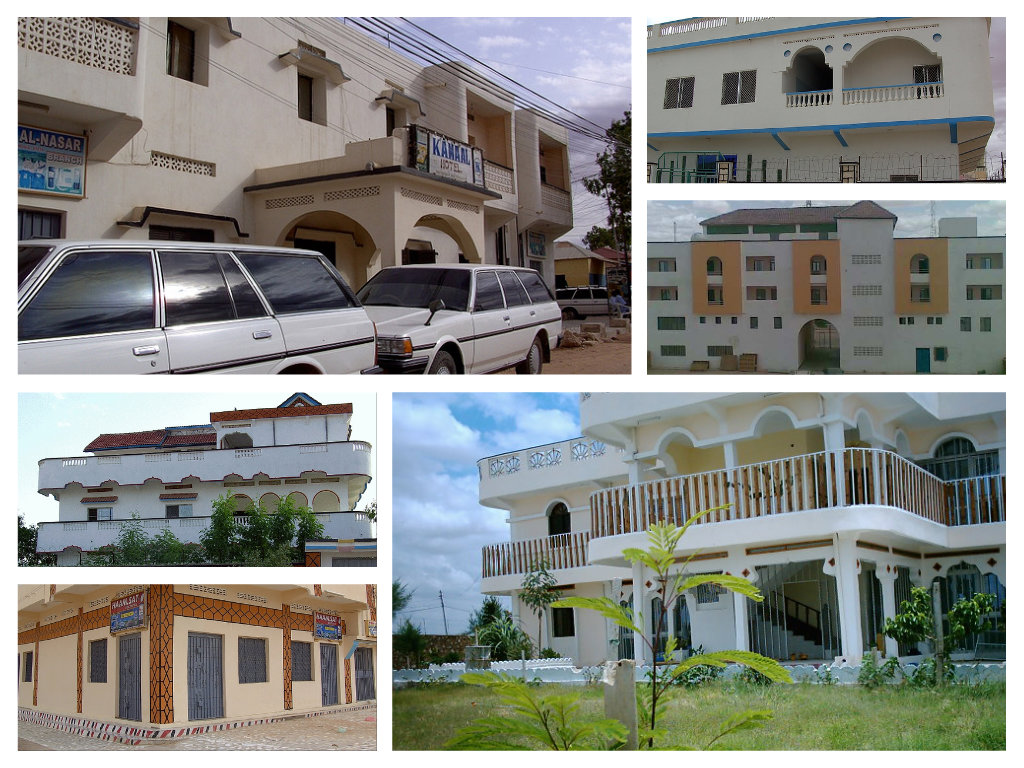
Livestock trading dominates the economy here, with merchants moving cattle, goats, and sheep through regional export networks. The city functions as Somalia's primary commercial bridge between north and south, though this trade relies heavily on clan networks and informal systems. Most employment centers around pastoralism, small-scale commerce, and logistics, but formal job opportunities for expats are virtually nonexistent outside of NGO work or international development roles that require extensive security protocols.
Living costs stay low by global standards, but imported goods carry hefty premiums due to infrastructure limitations and security taxes. Basic housing runs $200-400 monthly, though reliable electricity and water remain inconsistent. The dual governance structure between Puntland and Galmudug creates bureaucratic confusion for permits and services. Healthcare facilities are basic at best, and serious medical issues require evacuation to Nairobi or Dubai. Somali language skills are essential for daily navigation.
The climate delivers relentless heat with minimal rainfall, making outdoor activities challenging year-round. Food centers on traditional Somali cuisine with limited international options, though fresh meat from local livestock is abundant. Social life revolves around clan networks and business relationships rather than expat communities, which are practically nonexistent. Weekend activities involve visiting livestock markets or traveling to clan territories outside the city. This suits only the most adventurous development workers or those with deep Somali family connections.