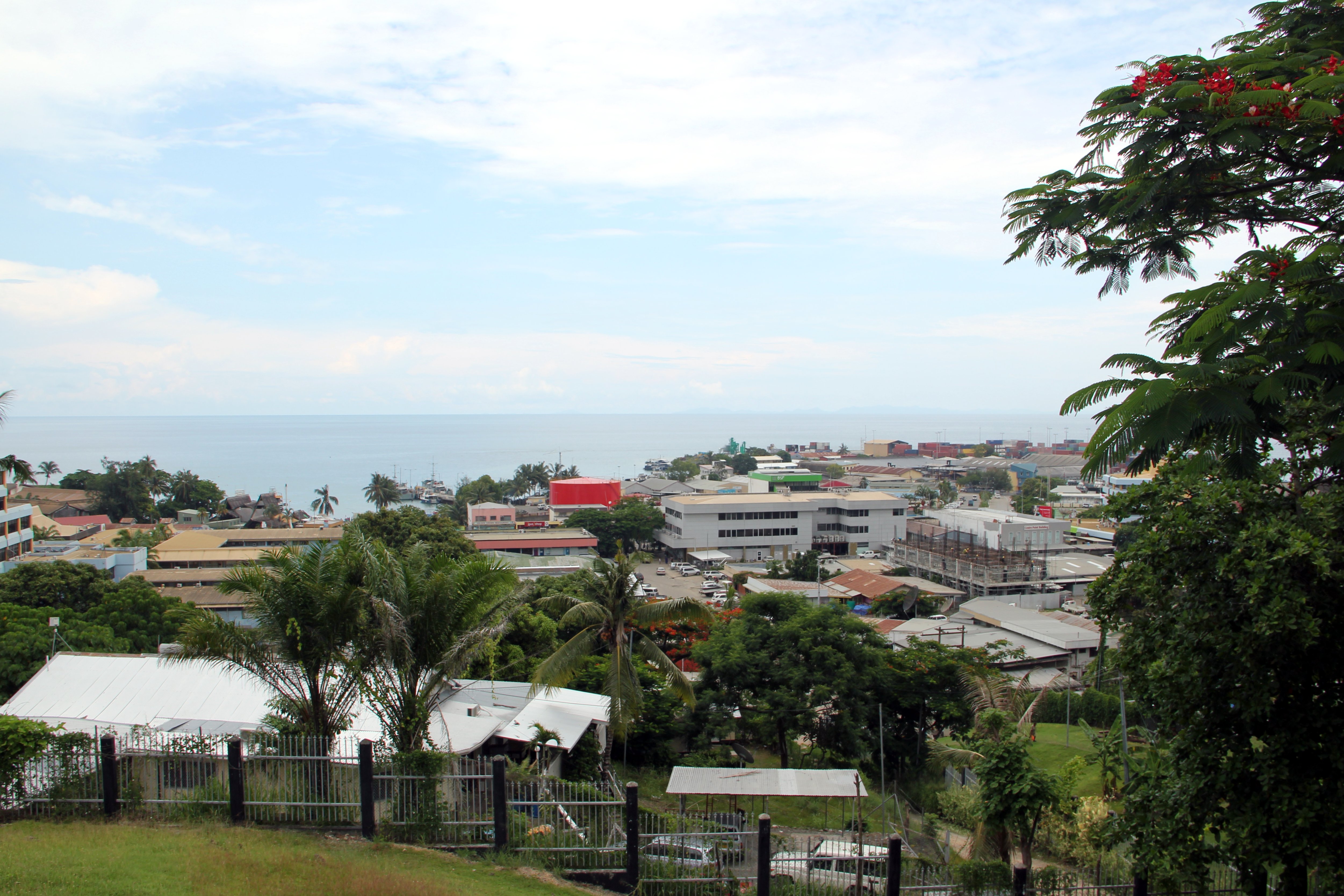
Honiara, Solomon Islands
Data updated Aug 28, 2026
📊 Scores
Best fit: FIRE / Geoarbitrage (score: 63)
Government employment dominates Honiara's economy, alongside fishing, copra export, and tourism—though tourism remains volatile due to periodic civil unrest. The National Parliament, University of the South Pacific, and public sector agencies are major employers. Private sector work exists mainly in retail, hospitality, and import/export, but opportunities are limited. Most expats work for NGOs, development organizations, or government contracts; freelance income requires reliable internet (inconsistent here).
Rent for a one-bedroom city center apartment runs $600/month; outside central areas, $400–500 is possible but means longer commutes on unreliable minibuses. Healthcare is basic—serious issues require evacuation to Australia or Fiji. English is widely spoken, easing the language barrier. Bureaucracy is slow; visa extensions, work permits, and residency paperwork involve multiple visits to government offices with unpredictable timelines. Import-dependent pricing inflates groceries and goods significantly.
Tropical heat and humidity year-round; monsoon season (November–April) brings heavy rain and occasional cyclones. Food is limited—fresh produce is seasonal, imported goods expensive. Social life revolves around expat networks, church communities, and beach outings; nightlife is minimal. The expat community is small and tight-knit but transient. Honiara suits only those with genuine development work, high risk tolerance, and patience for bureaucratic friction—not digital nomads or FIRE seekers.
Estimate the cost of moving to Honiara, Solomon Islands
Get a free moving cost estimate for moving to Honiara, Solomon Islands. Takes 10 seconds.
How much are you shipping?
When are you moving?
Powered by Sirelo. Free quotes from verified international movers.
🏚️ Cost of Living
💰 Budgets and Costs
Budgets (excl. rent)
These exclude rent. The tiers above are all-in monthly budgets.
Grocery Basket
Eating Out
Utilities & Lifestyle
Housing
A 1BR in the center runs about $895.82/mo. If your income is in another currency, bank FX fees add up. A multi-currency account can cut that cost.
See low-fee transfersWe may earn a commission at no cost to you.
🛡️ Safety & Crime
(Higher is safer)
(Lower is safer)
Honiara presents a mixed safety picture for expats. While daytime movement is generally manageable, nighttime walkability is limited—most expats avoid walking alone after dark. The city feels moderately safe in established expat areas and central business districts, but the overall atmosphere reflects underlying tensions. Petty crime is common enough that locals and expats maintain heightened awareness, though violent crime targeting foreigners specifically remains relatively uncommon.
Petty theft, bag snatching, and burglary are the primary concerns; secure accommodation and avoiding displays of wealth are essential precautions. Certain neighborhoods, particularly informal settlements on the city's periphery, should be avoided entirely. Solo female travelers and women expats report increased harassment in some areas. Scams targeting foreigners exist but are less organized than in larger regional hubs. Home security—gates, locks, and alarms—is standard practice among expat residents.
Honiara has experienced civil unrest and ethnic tensions historically, though the situation has stabilized considerably since the early 2000s. Police capacity remains limited, and corruption exists within institutions. Political demonstrations occasionally occur but rarely target expats directly. For Americans considering relocation, Honiara is manageable with realistic expectations and practical precautions, but it's not a relaxed retirement destination. It suits those comfortable in developing-world environments with moderate vigilance and established expat networks for support.
Honiara has a safety index of 50/100. Petty theft and lost belongings are the most common problems for newcomers. Compare travel insurance before you go.
Compare travel insuranceWe may earn a commission at no cost to you.
🏥 Healthcare
🌤️ Climate
Best Months
Climate Notes
Honiara experiences a tropical climate with high humidity and frequent rainfall, resulting in relatively clean air for an urban setting in the Pacific Islands.
💻 Digital Nomad
Community Notes
| Name | Price/mo | Notes |
|---|---|---|
| Solomon Islands Chamber of Commerce and Industry (SICCI) Business Centre | $75 | While not a dedicated coworking space, SICCI offers business centre facilities that can be used for remote work, including meeting rooms and potentially desk space. Located centrally in Honiara, it's a good option for those needing a professional environment and networking opportunities. |
| Heritage Park Hotel | $100 | Heritage Park Hotel offers reliable internet and quiet spaces in its lobby and business center, suitable for remote work. While not a dedicated coworking space, the hotel's amenities and central location in Honiara make it a viable option for digital nomads. |
Working remotely from Honiara? Nomad health insurance covers you across borders, month to month.
See nomad insuranceWe may earn a commission at no cost to you.
🧳 Expat Life
Expat Life Notes
Honiara is the capital of Solomon Islands, one of the least visited capitals in the Pacific. It has a small AusAID and diplomatic expat community but very limited general expat infrastructure.
Pros
- ✓ Unique Pacific island experience
- ✓ WWII historical significance
- ✓ Diving in Iron Bottom Sound
Cons
- ✗ Very limited infrastructure
- ✗ Security concerns
- ✗ Very limited English outside government
- ✗ Extreme remoteness
Could living/working in Honiara cut years off your work life?
With a 1-bedroom in the center at $896/mo, your FIRE number here might be much lower than you think.
More Cities to Consider instead of Honiara
Frequently Asked Questions about Honiara
Click any question to expand the answer.
Share This Guide
Honiara won't stay this cheap forever.
Cost-of-living and visa updates for Honiara and the rest of Solomon Islands. Free with RA Postcards.
By submitting your email address, you will receive a free subscription to RA Postcards and special offers from Rewire Abroad and our affiliates. You can unsubscribe at any time, and we encourage you to read more about our Privacy Policy.