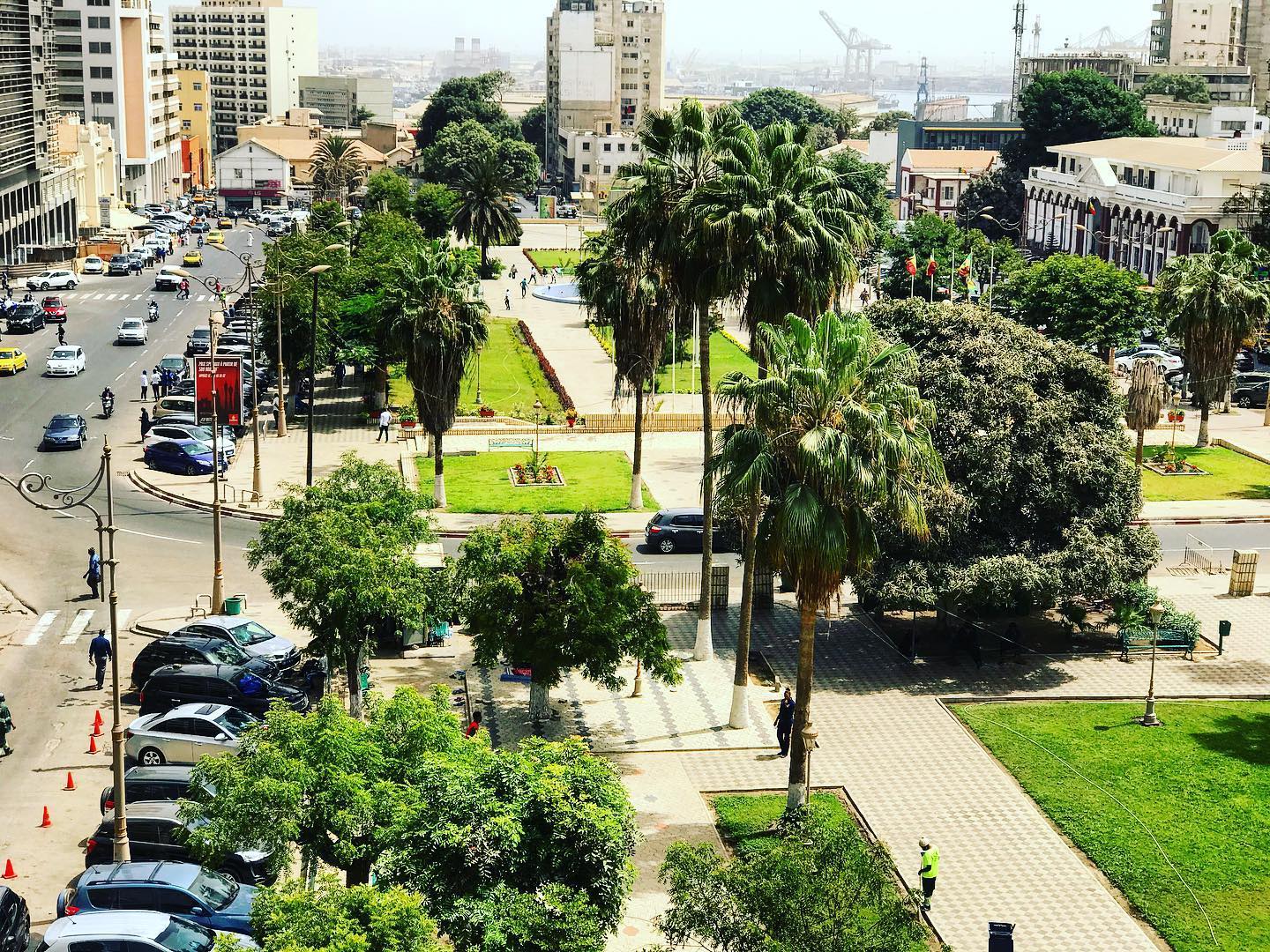
Dakar, Senegal
Data updated Sep 3, 2026
📊 Scores
Best fit: FIRE / Geoarbitrage (score: 60)
West Africa's most important port city runs on trade, logistics, and government — if you're not connected to one of those, the job market is thin for foreigners. The Port of Dakar anchors the economy, with shipping, freight forwarding, and customs brokerage employing thousands. Telecom firms like Sonatel (Orange subsidiary) and a growing fintech scene offer white-collar work, but most expat professionals arrive with a job already secured through an NGO, multinational, or development organization. Freelancers and remote workers exist here, but they're self-sufficient by necessity.
A one-bedroom in the city center runs around $900/month — steep by regional standards and a direct result of expat and diplomatic demand inflating the Plateau and Almadies neighborhoods. Cheaper options exist in Parcelles Assainies or Guédiawaye, but infrastructure quality drops noticeably. French is the official language and non-negotiable for daily life; Wolof dominates street-level interaction and learning even basics earns real goodwill. Healthcare at private clinics like Clinique du Cap is adequate for routine care, but serious conditions mean medical evacuation. Bureaucracy for residency and business registration is genuinely slow and paper-heavy.
The dry season (November to May) is legitimately pleasant — low humidity, Atlantic breezes, temperatures in the low-to-mid 20s. The rainy season brings flooding in lower-lying neighborhoods, which is a real infrastructure problem, not a minor inconvenience. Food is a genuine highlight: thiéboudienne and yassa are cheap and excellent at local spots. The expat community is mid-sized, concentrated around NGO and diplomatic circles, with a decent bar and live music scene in Almadies. Dakar suits professionals on assignment, francophone remote workers who want an African base, and FIRE seekers with a higher budget than they'd expect.
🏚️ Cost of Living
💰 Budgets and Costs
Grocery Basket
Eating Out
Utilities & Lifestyle
Housing
A 1BR in the center runs about $900/mo. If your income is in another currency, bank FX fees add up. A multi-currency account can cut that cost.
See low-fee transfersWe may earn a commission at no cost to you.
💰 Real Spend Reports
🛡️ Safety & Crime
(Higher is safer)
(Lower is safer)
Dakar feels moderately safe for expats during daylight hours, with a vibrant street life and generally friendly locals. Nighttime walkability is limited—most expats avoid walking alone after dark, particularly in unfamiliar areas. The city's reputation is better than many West African capitals, but petty crime and opportunistic theft are real concerns. Expat neighborhoods like Plateau and Almadies are noticeably safer than central areas.
Petty theft, bag snatching, and pickpocketing are the primary risks, especially in crowded markets, beaches, and public transport. Violent crime against expats is uncommon but not unheard of. Solo female travelers should exercise caution, particularly at night and in less-developed neighborhoods. Avoid displaying expensive jewelry, electronics, or large amounts of cash. Scams targeting foreigners exist but are less aggressive than in some regional cities.
Senegal is politically stable compared to neighboring countries, with a functioning government and relatively reliable police presence in expat areas. Corruption exists but rarely affects daily expat life directly. Occasional protests occur but rarely turn violent. Overall, Dakar is a reasonable choice for Americans seeking a West African base—it's livable with sensible precautions, though not as secure as major cities in Europe or North America. Expat communities are well-established and supportive.
Dakar has a safety index of 55/100. Petty theft and lost belongings are the most common problems for newcomers. Compare travel insurance before you go.
Compare travel insuranceWe may earn a commission at no cost to you.
🏥 Healthcare
🌤️ Climate
Best Months
Climate Notes
Tropical semi-arid climate with a heavy ocean breeze influence.
💻 Digital Nomad
Community Notes
Working remotely from Dakar? Nomad health insurance covers you across borders, month to month.
See nomad insuranceWe may earn a commission at no cost to you.
🧳 Expat Life
Expat Life Notes
The westernmost city in Africa has a vibrant French-speaking expat community centered on the oceanfront.
Pros
- ✓ Beautiful coastal location
- ✓ Rich cultural and music scene
- ✓ Safe for the region
Cons
- ✗ English is not widely spoken (French needed)
- ✗ Bureaucracy is slow
- ✗ High pollution in center
Could living/working in Dakar cut years off your work life?
With a 1-bedroom in the center at $900/mo, your FIRE number here might be much lower than you think.
Moving to Dakar? Estimate what an international move would cost and compare mover quotes.
Estimate my move costShare This Guide
Dakar won't stay this cheap forever.
Cost-of-living and visa updates for Dakar and the rest of Senegal. Free with RA Postcards.
By submitting your email address, you will receive a free subscription to RA Postcards and special offers from Rewire Abroad and our affiliates. You can unsubscribe at any time, and we encourage you to read more about our Privacy Policy.