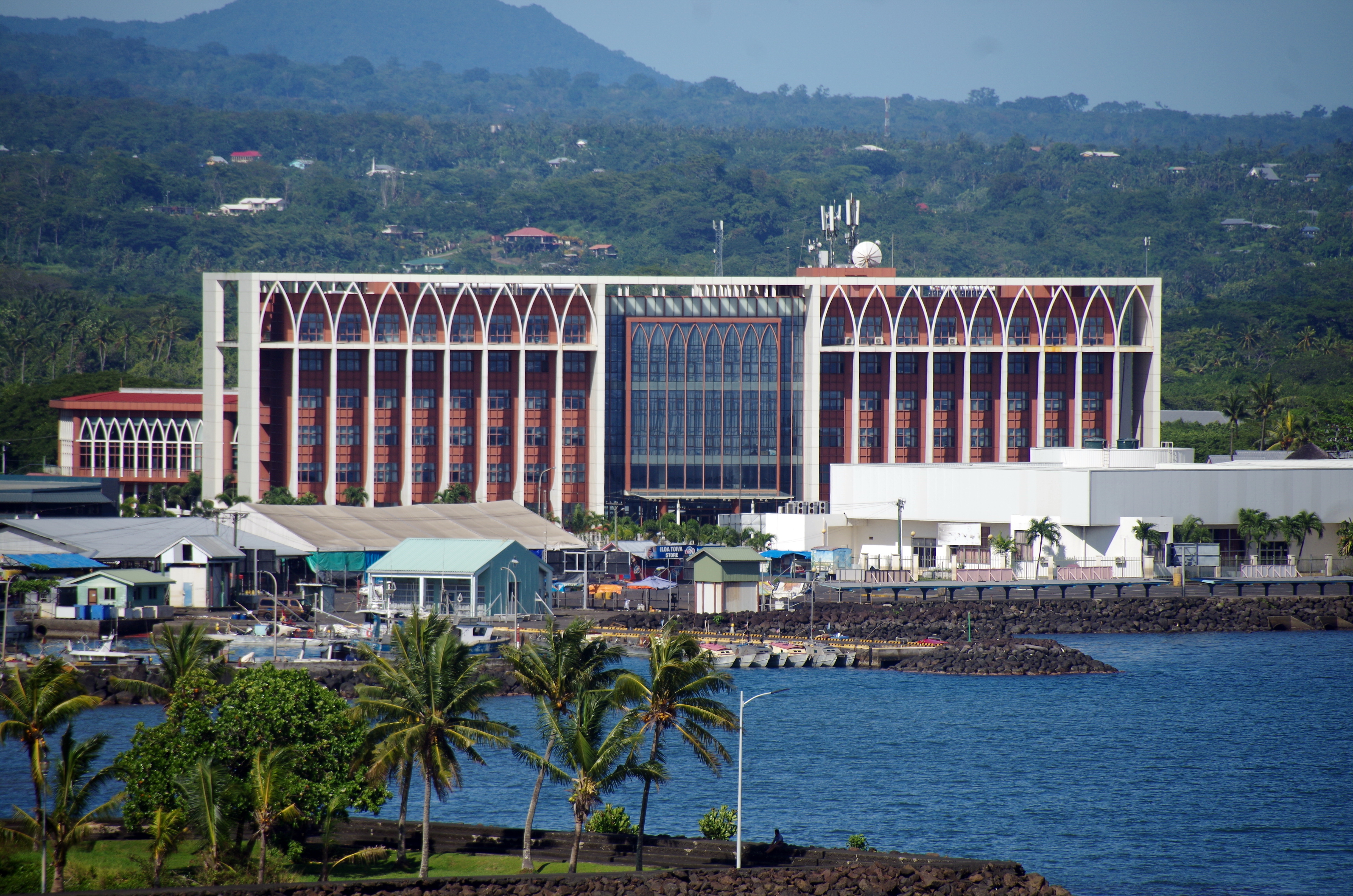
Apia, Samoa
Data updated Sep 3, 2026
📊 Scores
Best fit: FIRE / Geoarbitrage (score: 80)
Government jobs dominate Apia's economy—the public sector is the largest employer, followed by retail, hospitality, and port operations. Tourism contributes modestly; most visitors are regional travelers or expats on business. Private sector work is thin: no tech hubs, limited startups, and most skilled jobs require government connections or existing employer sponsorship. Remote work is the realistic path for most expats; internet is functional but not fast.
Rent for a decent two-bedroom runs $800–1,200 USD monthly; groceries cost 40–60% more than New Zealand due to imports. Healthcare exists but serious cases require evacuation to Fiji or Australia—travel insurance is non-negotiable. Samoan is the official language; English works in government and tourism but not reliably elsewhere. Bureaucracy is slow and relationship-dependent; residency visas require proof of income or local employment. Taxis are informal and cheap ($2–5 rides); no buses.
Tropical heat year-round (26°C average), cyclone risk December–March, and frequent heavy rain define the climate. Food is fresh seafood and coconut-heavy; dining out is limited and pricey. The expat community is small (mostly diplomats, NGO staff, teachers) and tight-knit but insular. Weekends mean beach trips, hiking, or socializing at the handful of bars. Apia suits remote workers with patience for isolation, strong cyclone insurance, and genuine interest in Samoan culture—not digital nomads seeking buzz.
🏚️ Cost of Living
💰 Budgets and Costs
Grocery Basket
Eating Out
Utilities & Lifestyle
Housing
A 1BR in the center runs about $650/mo. If your income is in another currency, bank FX fees add up. A multi-currency account can cut that cost.
See low-fee transfersWe may earn a commission at no cost to you.
💰 Real Spend Reports
🛡️ Safety & Crime
(Higher is safer)
(Lower is safer)
Apia feels genuinely safe for daily life, with a relaxed, community-oriented atmosphere that makes walking around during daylight hours comfortable. Nighttime walkability is reasonable in central areas, though most expats exercise normal caution after dark. The city's small size and tight-knit culture create natural social oversight; violent crime against foreigners is rare, and the overall vibe is far safer than major Western cities.
Petty theft and opportunistic burglary are the main concerns—securing valuables in homes and vehicles matters. Avoid displaying expensive electronics or jewelry openly. Drink-related incidents occur, particularly in certain bars late at night, so choosing venues carefully is wise. Solo female travelers report feeling safe overall, though standard precautions apply. Scams targeting expats are uncommon, but overpaying for services due to unfamiliarity happens.
Samoa is politically stable with reliable police and no significant corruption affecting daily expat life. The government is functional and corruption is not a major concern for residents. Petty police bribery is not a systemic issue. The main risk is natural—cyclone season (November–April) requires preparedness. For an American considering relocation, Apia offers genuine safety and stability; it's one of the Pacific's more secure capitals, ideal for those seeking a quiet, secure retirement or remote work base.
🏥 Healthcare
🌤️ Climate
Best Months
Climate Notes
Apia has a tropical climate with warm, humid conditions year-round; the wet season (November–April) brings heavy rainfall and cyclones, while the drier season (May–October) offers more comfortable conditions.
💻 Digital Nomad
Community Notes
| Name | Price/mo | Notes |
|---|---|---|
| Business Hub Samoa | $150 | Located in Apia, Business Hub Samoa offers a professional environment with reliable internet, printing facilities, and meeting rooms. It's a good option for digital nomads seeking a structured workspace. |
| Savaii Co-working Space | $120 | While technically on Savaii, it's relevant for those considering longer stays in Samoa. This space offers a relaxed, community-focused vibe with essential amenities, ideal for remote workers seeking a quieter environment. |
Planning to live in Apia long-term? Samoa Digital Nomad Visa lets remote workers live legally.
View full requirements →Working remotely from Apia? Nomad health insurance covers you across borders, month to month.
See nomad insuranceWe may earn a commission at no cost to you.
🧳 Expat Life
Expat Life Notes
The capital of Samoa, Apia has a small community of NGO workers, diplomats, and business owners. It offers a relaxed Pacific island lifestyle.
Pros
- ✓ Friendly culture
- ✓ Safe and peaceful
- ✓ Beautiful natural surrounds
Cons
- ✗ Extremely isolated
- ✗ Limited professional jobs
- ✗ High cost of imported goods
🛂 Visa Options for Samoa
Many long-stay visas require proof of health insurance. Compare international health plans before you apply.
Compare health insuranceWe may earn a commission at no cost to you.
Not sure which Samoa visa you qualify for?
Answer 10 questions and get a personalized match in under 2 minutes.
Could living/working in Apia cut years off your work life?
With a 1-bedroom in the center at $260/mo, your FIRE number here might be much lower than you think.
Moving to Apia? Estimate what an international move would cost and compare mover quotes.
Estimate my move costShare This Guide
Apia won't stay this cheap forever.
Cost-of-living and visa updates for Apia and the rest of Samoa. Free with RA Postcards.
By submitting your email address, you will receive a free subscription to RA Postcards and special offers from Rewire Abroad and our affiliates. You can unsubscribe at any time, and we encourage you to read more about our Privacy Policy.