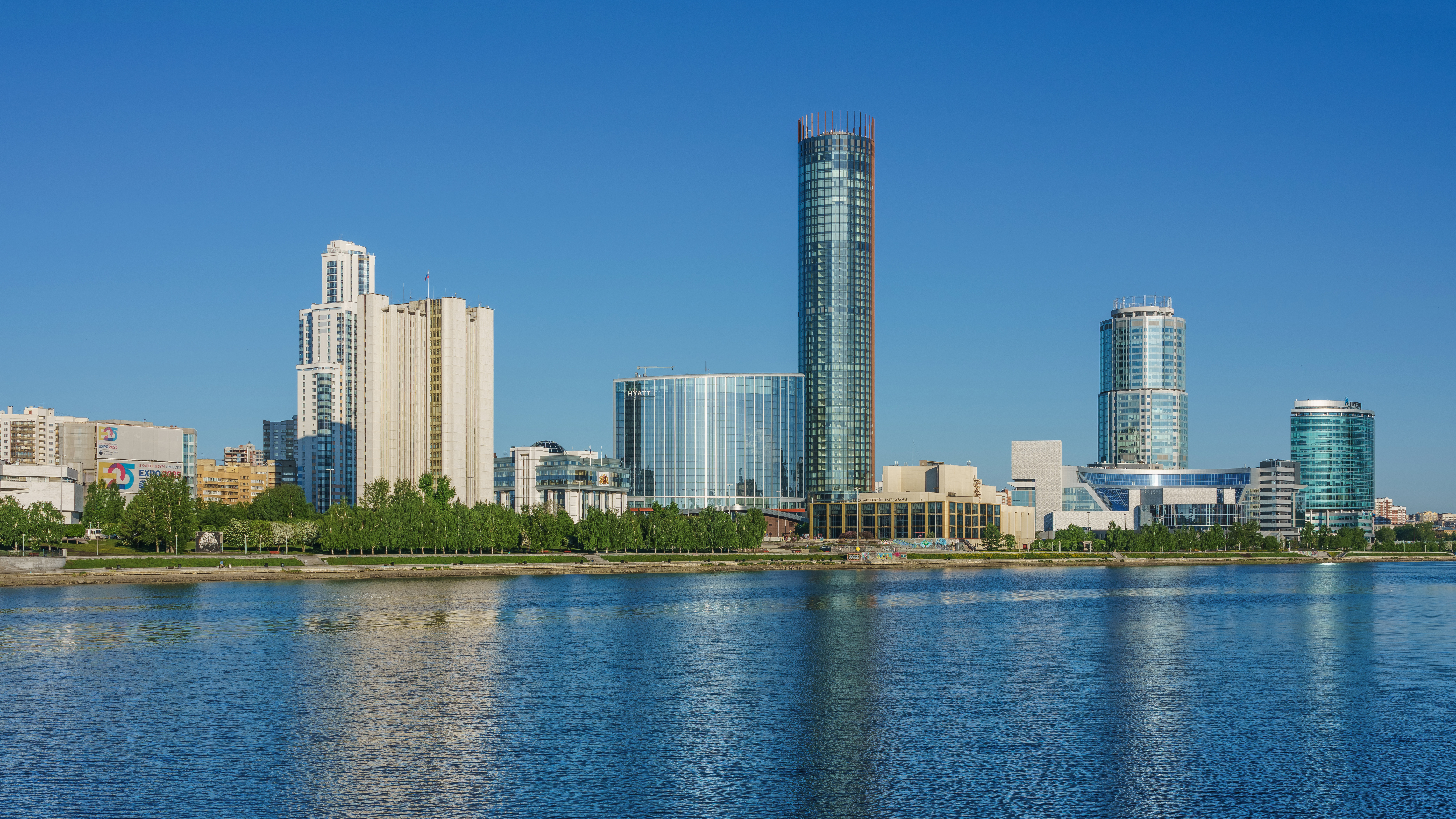
Russia's fourth-largest city by population punches well above its weight economically — it's the undisputed industrial capital of the Urals, built on metallurgy, heavy machinery, and defense manufacturing that dates back to Soviet mobilization. Major employers include UMMC (Ural Mining and Metallurgical Company), Ural Works of Civil Aviation, and a dense cluster of defense contractors that aren't always publicly named. The Ural Branch of the Russian Academy of Sciences adds a research and engineering layer. For foreigners, the honest reality post-2022 is stark: international companies have largely exited Russia, remote work in foreign currency is legally and practically complicated, and the job market is almost entirely Russian-language and domestically oriented.
A one-bedroom in the city center runs around $540/month, though the ruble's volatility means that number shifts depending on when you're converting. Public transit is genuinely functional — the metro, trams, and buses cover the city well, and a monthly transit pass costs roughly 2,200 rubles (under $25). Healthcare access exists through both state polyclinics and private clinics, but expect Russian-only paperwork everywhere. The language barrier is severe: English proficiency outside universities and tech circles is minimal. Bureaucracy for foreign residents involves mandatory registration, migration cards, and a permit system that has become significantly more restrictive and unpredictable since 2022.
Winters are brutal and long — temperatures regularly drop to -20°C (-4°F) from November through March, and daylight shrinks dramatically. Summers are genuinely pleasant, warm enough for outdoor cafes and weekend trips to the Ural mountains, which start within an hour's drive. The food scene leans heavily Russian and Central Asian, with solid pelmeni and shashlik options at low prices. The expat community, never large, has contracted sharply since 2022 sanctions and emigration waves. Constructivist architecture and a legitimate street art scene give the city cultural texture, but this city suits almost no one relocating for lifestyle reasons right now — it's a place for people with deep Russian ties, specific industrial expertise, or no better option.
Estimate the cost of moving to Yekaterinburg, Russia
Get a free moving cost estimate for moving to Yekaterinburg, Russia. Takes 10 seconds.
How much are you shipping?
When are you moving?
Powered by Sirelo. Free quotes from international movers.
🏚️ Cost of Living
💰 Budgets and Costs
$781/mo, one person, rent included
Selected: budget lifestyle
Yekaterinburg at the budget tier comes to about $781 a month for one adult, with $458 of that going to rent. Beyond rent the estimate covers $83.00 on groceries, $53.00 on dining out, $25.00 on entertainment and lifestyle, $144 on utilities and connectivity and $18.00 on transport.
Rent
$458/mo
1BR outside the centre
Groceries
$83.00/mo
75% of mid-range grocery spend
Dining out
$53.00/mo
4 inexpensive meals
Entertainment & lifestyle
$25.00/mo
1 cinema trip, 8 cappuccinos
Utilities & connectivity
$144/mo
utilities, mobile, internet
Transport
$18.00/mo
Monthly pass
Budgets (excl. rent)
Single person$323/mo
Excludes rent. The total above is all-in, rent included.
$954/mo, one person, rent included
Selected: mid-range lifestyle
Yekaterinburg at the mid-range tier comes to about $954 a month for one adult, with $458 of that going to rent. Beyond rent the estimate covers $111 on groceries, $133 on dining out, $90.00 on entertainment and lifestyle, $144 on utilities and connectivity and $18.00 on transport.
Rent
$458/mo
1BR outside the centre
Groceries
$111/mo
Staples basket scaled to a full month
Dining out
$133/mo
10 inexpensive meals
Entertainment & lifestyle
$90.00/mo
gym, 2 cinema trips, 12 cappuccinos
Utilities & connectivity
$144/mo
utilities, mobile, internet
Transport
$18.00/mo
Monthly pass
Budgets (excl. rent)
Single person$496/mo
Excludes rent. The total above is all-in, rent included.
$1,428/mo, one person, rent included
Selected: comfortable lifestyle
Yekaterinburg at the comfortable tier comes to about $1,428 a month for one adult, with $760 of that going to rent. Beyond rent the estimate covers $156 on groceries, $228 on dining out, $122 on entertainment and lifestyle, $144 on utilities and connectivity and $18.00 on transport.
Rent
$760/mo
1BR in the centre
Groceries
$156/mo
140% of mid-range grocery spend
Dining out
$228/mo
6 inexpensive meals + 6 mid-range meals
Entertainment & lifestyle
$122/mo
gym, 4 cinema trips, 20 cappuccinos
Utilities & connectivity
$144/mo
utilities, mobile, internet
Transport
$18.00/mo
Monthly pass
Budgets (excl. rent)
Single person$668/mo
Excludes rent. The total above is all-in, rent included.
Estimates for one adult, built from this city's average prices and the usage shown for each tier. Your spending will differ with how often you eat out and where you live.
A 1BR in the center runs about $760.36/mo. If your income is in another currency, bank FX fees add up. A multi-currency account can cut that cost.
Yekaterinburg feels relatively safe for daily life compared to many Russian cities, with decent walkability during daylight hours. The city has a developed infrastructure and established expat community, which normalizes foreign presence. However, nighttime solo walking in unfamiliar areas isn't advisable, and the overall safety perception is colored by Russia's geopolitical status rather than street-level crime rates being exceptionally high.
Petty theft and pickpocketing occur in crowded areas like markets and public transport, particularly targeting foreigners. Avoid displaying expensive items, and be cautious of drink-spiking scams in bars. Violent crime against expats is uncommon, though occasional street harassment happens. Solo female travelers should exercise standard precautions—avoid isolated areas at night and use registered taxis. Corruption among police is a known issue; they may target foreigners for minor violations seeking bribes.
The major consideration is geopolitical risk: as an American, you're entering a country under international sanctions with strained US-Russia relations. Protests and political tensions can escalate unpredictably. Police are generally reliable for serious crimes but may not prioritize expat complaints. The US State Department advises against travel to Russia. For Americans seriously considering relocation, this requires accepting significant political and diplomatic uncertainty beyond typical expat safety concerns.
Yekaterinburg has a safety index of 56.9/100. Petty theft and lost belongings are the most common problems for newcomers. Compare travel insurance before you go.
See how Yekaterinburg's digital nomad life compares with Kropotkin
🧳 Expat Life
English Proficiency
Limited
Expat Community
Medium
Top Neighborhoods
Tsentralny District
Banks Nearby
293
ATMs Nearby
436
Expat Life Notes
A major hub in the Urals with a sophisticated cultural scene and a growing tech sector, though winters are harsh.
Pros
✓ Modern skyline and facilities
✓ Safe and organized
✓ Low cost of living
Cons
✗ Very cold winters
✗ Significant language barrier
✗ Geographical isolation
🏘️ Neighborhoods in Yekaterinburg
Notable areas of Yekaterinburg, with descriptions adapted from public reference sources. Rent figures are Numbeo's city-wide averages, not prices for a specific area.
The US government advises against travel to this country. Check the current government travel advisory before you book.
Conditions can change from one block to the next, and these descriptions are general guides, not safety assessments. Before choosing where to stay or live, check current travel advisories, talk to people who live there, and visit in person if you can.
Yekaterinburg-City
Yekaterinburg-City is a commercial district near the center of Yekaterinburg, Russia, on Boris Yeltsin Street along the embankment of the Iset River. The area covers five hectares and is under development. Plans call for 12 buildings, including four office towers, a commercial area for small and average-sized businesses, a trading gallery, and two hotels, with about 450,000 square meters of commercial space, offices, hotels, entertainment centers, cafes, and restaurants.
Numbeo city average, center: $760 (updated Nov 13, 2026)
Yekaterinburg has a population of approximately 1,468,833 people.
A single person can expect to spend around $1,901 per month in Yekaterinburg, including rent. A 1-bedroom apartment in the city center costs approximately $760/month.
The nearest airport to Yekaterinburg is SVX, approximately 15.4km away.
Yekaterinburg is considered moderate in terms of safety, with a safety index of 56.9. As with any city abroad, expats should research specific neighborhoods before committing to a location.
Yekaterinburg has an average internet speed of 72.4 Mbps. It is not yet considered a well-established digital nomad destination.
The city has a safety index of 78, and street crime is not a major concern in central areas. The bigger risks for foreigners are legal and political — visa complications, registration requirements, and the broader unpredictability of living in Russia under current sanctions and geopolitical conditions, not physical safety.
Technically possible but practically complicated. Russia has restricted cross-border payments, many Western payment platforms don't operate there, and receiving foreign income in rubles involves currency conversion rules. Tax residency obligations apply after 183 days. Get specific legal advice before assuming your remote setup will transfer cleanly.
Yes, effectively. Unlike Moscow or St. Petersburg, English is rarely spoken outside university campuses and a small tech community. All government offices, medical facilities, landlords, and most service businesses operate exclusively in Russian. Moving here without at least intermediate Russian will make basic daily tasks genuinely difficult.
Yekaterinburg is significantly more affordable than most major US cities. Expect to pay around $500-$900 USD per month for a comfortable one-bedroom apartment in a central area like the City Center or near the Ural Federal University. Groceries and dining out are also quite reasonable, with a decent meal costing around $10-$20 USD.
For stays longer than tourism, you'll likely need a student visa (if studying), a work visa (if employed by a Russian company), or a temporary residency permit. The process can be bureaucratic, so it's best to consult with a Russian immigration lawyer to determine the best path for your situation and navigate the requirements.
While Yekaterinburg has public healthcare, the quality can be inconsistent. Private clinics like UMMC offer better facilities and often have English-speaking doctors, but they require private insurance. It's wise to research and secure international health insurance before relocating.
Many expats prefer the City Center for its proximity to amenities and cultural attractions. Vtorchermet is a more budget-friendly option, while areas near the Ural Federal University are popular with students and younger expats. Consider your budget and lifestyle when choosing a neighborhood.
Yekaterinburg has a continental climate with cold winters and warm summers. Expect snow from November to March, with temperatures often dropping below freezing. Summers are pleasant, but short, so pack accordingly for all seasons.
Yekaterinburg has a good public transportation system, including a metro, trams, buses, and marshrutkas (minibuses). Using Yandex.Taxi is also a convenient and affordable way to get around. While navigating can be challenging without Russian, the metro is relatively straightforward.
Internet speeds in Yekaterinburg are generally reliable and fast enough for remote work. You can expect speeds of 50-100 Mbps for a reasonable price. Most cafes and coworking spaces also offer free Wi-Fi.
Yes, Yekaterinburg has several coworking spaces, such as GrowUp and Delo, offering various membership options. These spaces provide a professional environment, networking opportunities, and reliable internet access for digital nomads.
Major credit cards are accepted in larger stores and restaurants, but cash is still widely used. ATMs are readily available, but be aware of potential fees. Consider opening a local bank account for convenience and to avoid international transaction fees. Sberbank is a popular option.
Yekaterinburg's low cost of living can make it attractive for FIRE, allowing your passive income to stretch further. However, consider the language barrier, cultural differences, and access to healthcare when making your decision. Research investment opportunities within Russia carefully.
While not as large as in Moscow or St. Petersburg, Yekaterinburg has a small but active expat community. Online groups and language exchange events are good ways to connect with other foreigners and locals. The American Center in Yekaterinburg also hosts events.
While English proficiency is increasing, it's not widely spoken, especially outside of the city center and tourist areas. Learning basic Russian phrases will significantly improve your daily life and interactions with locals. Consider taking a Russian language course.
As a US citizen, you're still required to file US taxes even when living abroad. The Foreign Earned Income Exclusion (FEIE) and Foreign Tax Credit can help reduce your tax burden. Be sure to report foreign bank accounts if they exceed $10,000 (FBAR).
Yekaterinburg is generally safe, but like any major city, it's wise to be aware of your surroundings, especially at night. Avoid poorly lit areas and be cautious of petty theft. Stick to well-traveled streets and use reputable taxi services.
Cost-of-living and visa updates for Yekaterinburg and the rest of Russia. Free with RA Postcards.
By submitting your email address, you will receive a free subscription to RA Postcards and special offers from Rewire Abroad and our affiliates. You can unsubscribe at any time, and we encourage you to read more about our Privacy Policy.