Russia's second city runs on a mix of old industrial muscle and newer white-collar money. Gazprom Neft, Sovcomflot, and a cluster of defense-linked manufacturers anchor the traditional economy, while a genuine IT sector has grown up around companies like JetBrains and a network of software outsourcing firms. For expats, remote work or a contract with a foreign employer is the realistic path — the local job market pays in rubles, and since 2022 sanctions have made international banking and salary transfers genuinely complicated. The tourism economy that drew 15 million visitors annually pre-2022 has contracted sharply.
A one-bedroom in the center runs around $650/month, which sounds reasonable until you factor in the current geopolitical reality: most Western payment systems don't work here, international transfers are painful, and VPNs are a daily necessity. Healthcare infrastructure is solid at private clinics — expect $40–80 per consultation — but public hospitals require Russian fluency to navigate. The metro is cheap and functional. Bureaucracy for foreign residents involves multiple registration steps and has become significantly more burdensome post-2022. Russian language is not optional; English gets you through tourist zones and almost nowhere else.
Winters are long and genuinely brutal — average -8°C from November through March, with white nights flipping the script in June and July when the sun barely sets. The food scene is excellent and cheap by European standards. Culturally, the Hermitage alone justifies a visit, but the expat community that existed here has largely departed since 2022, leaving a city that rewards deep Russian integration rather than surface-level expat life. This city suits someone already fluent in Russian, comfortable with significant geopolitical risk, and genuinely committed to living inside Russian culture rather than alongside it.
Estimate the cost of moving to Saint Petersburg, Russia
Get a free moving cost estimate for moving to Saint Petersburg, Russia. Takes 10 seconds.
How much are you shipping?
When are you moving?
Powered by Sirelo. Free quotes from international movers.
🏚️ Cost of Living
💰 Budgets and Costs
$841/mo, one person, rent included
Selected: budget lifestyle
Saint Petersburg at the budget tier comes to about $841 a month for one adult, with $437 of that going to rent. Beyond rent the estimate covers $96.00 on groceries, $48.00 on dining out, $33.00 on entertainment and lifestyle, $169 on utilities and connectivity and $58.00 on transport.
Rent
$437/mo
1BR outside the centre
Groceries
$96.00/mo
75% of mid-range grocery spend
Dining out
$48.00/mo
4 inexpensive meals
Entertainment & lifestyle
$33.00/mo
1 cinema trip, 8 cappuccinos
Utilities & connectivity
$169/mo
utilities, mobile, internet
Transport
$58.00/mo
Monthly pass
Budgets (excl. rent)
Single person$404/mo
Excludes rent. The total above is all-in, rent included.
$1,010/mo, one person, rent included
Selected: mid-range lifestyle
Saint Petersburg at the mid-range tier comes to about $1,010 a month for one adult, with $437 of that going to rent. Beyond rent the estimate covers $127 on groceries, $121 on dining out, $98.00 on entertainment and lifestyle, $169 on utilities and connectivity and $58.00 on transport.
Rent
$437/mo
1BR outside the centre
Groceries
$127/mo
Staples basket scaled to a full month
Dining out
$121/mo
10 inexpensive meals
Entertainment & lifestyle
$98.00/mo
gym, 2 cinema trips, 12 cappuccinos
Utilities & connectivity
$169/mo
utilities, mobile, internet
Transport
$58.00/mo
Monthly pass
Budgets (excl. rent)
Single person$573/mo
Excludes rent. The total above is all-in, rent included.
$1,481/mo, one person, rent included
Selected: comfortable lifestyle
Saint Petersburg at the comfortable tier comes to about $1,481 a month for one adult, with $730 of that going to rent. Beyond rent the estimate covers $178 on groceries, $208 on dining out, $138 on entertainment and lifestyle, $169 on utilities and connectivity and $58.00 on transport.
Rent
$730/mo
1BR in the centre
Groceries
$178/mo
140% of mid-range grocery spend
Dining out
$208/mo
6 inexpensive meals + 6 mid-range meals
Entertainment & lifestyle
$138/mo
gym, 4 cinema trips, 20 cappuccinos
Utilities & connectivity
$169/mo
utilities, mobile, internet
Transport
$58.00/mo
Monthly pass
Budgets (excl. rent)
Single person$751/mo
Excludes rent. The total above is all-in, rent included.
Estimates for one adult, built from this city's average prices and the usage shown for each tier. Your spending will differ with how often you eat out and where you live.
A 1BR in the center runs about $730.46/mo. If your income is in another currency, bank FX fees add up. A multi-currency account can cut that cost.
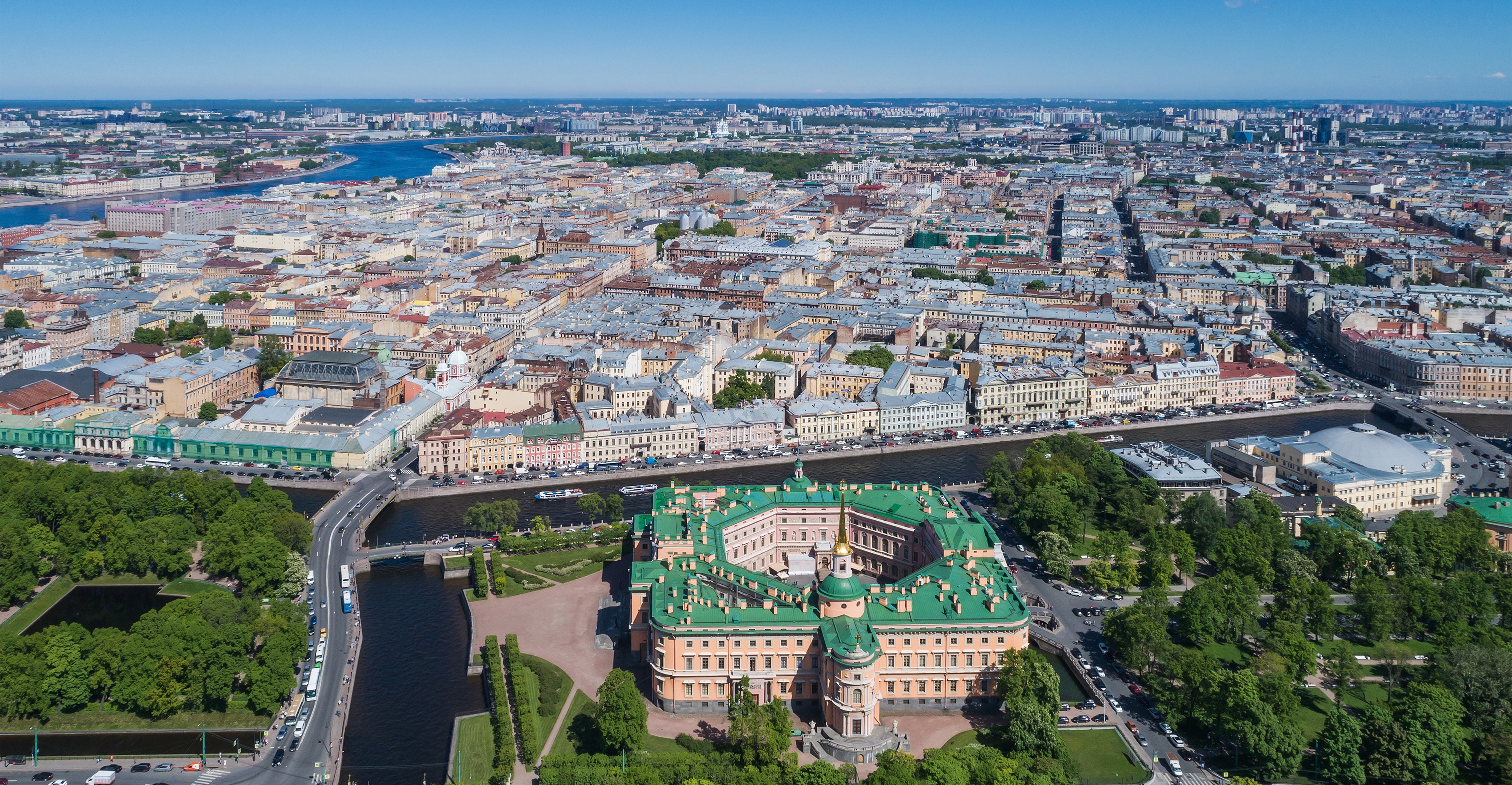
Saint Petersburg feels relatively safe for daily life compared to many major cities globally. Expats report comfortable daytime walkability in central districts like Nevsky Prospekt and around the Hermitage. Nighttime walking is generally acceptable in well-lit areas, though solo ventures into peripheral neighborhoods warrant caution. The city's European architecture and established expat community create a sense of normalcy, though vigilance remains necessary.
Petty theft and pickpocketing occur in crowded tourist zones and public transport, particularly metro stations during rush hours. Scams targeting foreigners include inflated taxi fares and currency exchange fraud. Violent crime against expats is uncommon, but solo female travelers should avoid isolated areas after dark and exercise standard urban precautions. Drink spiking and harassment in nightlife districts warrant awareness.
The geopolitical context is the primary safety consideration for Americans. Russia's international tensions, sanctions, and restrictions on foreign nationals create uncertainty. Police are generally reliable but operate under state authority; corruption exists. Expats face potential visa complications and limited consular support from the U.S. Embassy. For Americans considering relocation, the political climate and regulatory environment present greater risks than street crime. This requires serious consideration beyond typical expat safety metrics.
Saint Petersburg has a safety index of 62.61/100. Petty theft and lost belongings are the most common problems for newcomers. Compare travel insurance before you go.
See how Saint Petersburg's digital nomad life compares with Ulyanovsk
🧳 Expat Life
English Proficiency
Common in Tourist Areas
Expat Community
Medium
Top Neighborhoods
Petrogradsky District
Banks Nearby
403
ATMs Nearby
924
Expat Life Notes
Russia's cultural capital. While magnificent, relocation is currently very difficult for westerners due to geopolitics.
Pros
✓ Incredible world-class culture
✓ Stunning European architecture
✓ Very walkable center
Cons
✗ Current geopolitical isolation
✗ Cold, dark winters
✗ English is limited outside tourist sites
🏘️ Neighborhoods in Saint Petersburg
Notable areas of Saint Petersburg, with descriptions adapted from public reference sources. Rent figures are Numbeo's city-wide averages, not prices for a specific area.
The US government advises against travel to this country. Check the current government travel advisory before you book.
Conditions can change from one block to the next, and these descriptions are general guides, not safety assessments. Before choosing where to stay or live, check current travel advisories, talk to people who live there, and visit in person if you can.
Vasilievsky Island
Vasilyevsky Island is an island in Saint Petersburg, Russia, bordered by the Bolshaya Neva and Malaya Neva Rivers and by Neva Bay of the Gulf of Finland. The Smolenka River separates it from Dekabristov Island. The island holds the Academy of Arts, the Mining Institute, the main campus of Saint Petersburg State University, and a branch of the Russian Academy of Sciences with its library, research institutes, and museums.
Numbeo city average, center: $730 (updated Nov 13, 2026)
The Petrograd Side is a borough of Saint Petersburg made up of islands in the northern Neva delta. It is largely residential and holds several smaller universities, FC Zenit stadiums, and a 326-m-high TV tower. The Peter and Paul Fortress and the city's founding site are here. After matches of FC Zenit, do not wander anywhere near the stadium.
Don't wander anywhere near the stadium after matches of FC Zenit.
The Right Bank is the part of Saint Petersburg located east of the River Neva and the Center. Tourists rarely visit it, though it has its share of hidden charms. Ladozhskii Station, a passenger railway station, is in this area.
The Peter and Paul Fortress is the original citadel of Saint Petersburg, Russia. Peter the Great founded it in 1703, and it was built to Domenico Trezzini's designs from 1706 to 1740 as a star fortress. From the first half of the 1700s until the early 1920s, it held political criminals as a prison. It has operated as a museum since 1924.
Numbeo city average, center: $730 (updated Nov 13, 2026)
Olgino is a historical area in the Lakhta-Olgino Municipal Okrug of St. Petersburg, Russia. It lies south-west of Lakhta and east of Lisy Nos. In the mid-19th century the Neva Bay coast there belonged to Count Stenbock-Fermor, who named it for his wife Olga. Olgino grew into a prosperous dacha village north of the Russian capital in the early 20th century, and the poet Korney Chukovsky was among its inhabitants. It was incorporated into Leningrad in January 1963.
Numbeo city average, outside-center: $437 (updated Nov 13, 2026)
Apraksin Dvor is a market and retail block in Saint Petersburg, Russia, covering 14 hectares. Its buildings stand between Sadovaya Street and the Fontanka River, just southwest of the Alexandrinsky Theatre. The market began in the mid-18th century and took its name from Count Apraksin, who owned the plot. By the start of the 21st century it was a large block of small, downmarket shops facing the street with an open-air market.
Numbeo city average, center: $730 (updated Nov 13, 2026)
At the mid-range tier, one adult needs about $1,010 a month in Saint Petersburg, rent included, with $437 of that going to rent. That leaves roughly $573 for everything except housing.
In Saint Petersburg, a one-bedroom runs $730 in the center and $437 outside it and three bedrooms come to $1,547 in the center and $904 outside it, per month.
Average monthly net salary in Saint Petersburg is $1,199. That is 119% of the $1,010 mid-range monthly budget.
Saint Petersburg scores 62.61 on the safety index (higher is safer) and a crime index of 37.39 (lower is safer).
Average internet speed in Saint Petersburg is 48.5 Mbps. A home connection costs about $9/mo.
In Saint Petersburg, summer averages 22°C, winter averages -8°C and annual rainfall is 765 mm.
Technically yes, but practically it's very difficult. Most Western nationals face visa complications, international banking is severely restricted, and payment systems like Visa and Mastercard no longer operate in Russia. Expats already there largely rely on local Mir cards and crypto workarounds for finances.
A one-bedroom in the center costs around $650/month, though pricing in rubles means your real cost fluctuates with exchange rates. Groceries and transport are cheap — a metro ride is under $0.50 — but private healthcare, imported goods, and VPN services add up. Budget roughly $1,500–2,000/month for a comfortable lifestyle.
Yes, practically speaking. English works in tourist-heavy areas around the Hermitage and Nevsky Prospekt, but dealing with landlords, government offices, clinics, and daily errands requires Russian. Unlike Moscow, there's no large enough expat infrastructure to avoid the language barrier for long.
Petrogradsky and Tsentralny districts are popular with expats due to their central location, historical architecture, and proximity to amenities. Vasileostrovsky Island offers a slightly more relaxed vibe with a mix of modern and older buildings, and is generally more affordable than the city center.
Saint Petersburg has a humid continental climate, characterized by long, cold winters and short, mild summers. Expect snow from November to March, and temperatures can drop well below freezing. Summers are pleasant, but rain is common year-round, so pack accordingly.
Internet speed in Saint Petersburg is generally excellent, with widespread availability of high-speed fiber optic connections. You can expect reliable internet in most apartments, cafes, and coworking spaces, making it suitable for remote work.
Yes, Saint Petersburg has a growing number of coworking spaces catering to digital nomads and freelancers. Look for options like GrowUp, TAIGA Space, and Nevsky StartUp Center, which offer various membership plans and amenities.
Saint Petersburg has an excellent public transportation system, including a metro, buses, trams, and trolleybuses. The metro is efficient and affordable, and ride-sharing services like Yandex Taxi are readily available. Walking is also a great way to explore the city center.
As a US citizen, you're still required to file US taxes even when living abroad. You may be able to exclude a certain amount of foreign earned income (FEIE) and claim foreign tax credits. Also, remember to report foreign bank accounts if the total value exceeds $10,000 (FBAR).
Rental costs vary depending on the location and size of the apartment. Expect to pay around $600-$1200 USD per month for a one-bedroom apartment in a central area like Petrogradsky District. Renting further from the center can significantly reduce costs.
Russia has a public healthcare system, but expats often opt for private healthcare for shorter wait times and better facilities. You can find English-speaking doctors in private clinics, especially those catering to expats. Consider getting international health insurance for comprehensive coverage.
Several options exist for transferring money, including bank transfers, online services like Wise (formerly TransferWise), and remittance services like Western Union. Compare fees and exchange rates to find the most cost-effective option. Be aware of potential transfer limits and reporting requirements.
Saint Petersburg offers a diverse culinary scene, from traditional Russian cuisine to international flavors. You can find affordable cafes and restaurants, with a meal costing around $10-$20 USD. Fine dining experiences will be significantly more expensive.
Saint Petersburg can be a viable option for early retirement on that budget, especially if you're willing to live slightly outside the city center. Careful budgeting and lifestyle choices are essential to manage expenses effectively. Consider cooking at home more often and utilizing public transport.
Saint Petersburg has a sizable expat community, offering opportunities for socializing and networking. Online forums, social media groups, and expat organizations can help you connect with other foreigners and find support.
Opening a bank account can be challenging, requiring a Russian visa, registration at your place of residence, and sometimes a Russian tax identification number (INN). Some banks are more expat-friendly than others, so research your options and be prepared for paperwork.
Russians can initially seem reserved, but are often very warm and hospitable once you get to know them. Politeness and formality are valued, especially with older people. Dress modestly when visiting religious sites, and be prepared for direct communication.
For stays longer than 90 days, you'll likely need a Russian visa based on your purpose of stay. Options include a work visa (if employed by a Russian company), a student visa (if enrolled in a Russian university), or a temporary residence permit followed by a permanent residence permit, which can be complex and require legal assistance. Consult the Russian embassy or consulate for the most up-to-date requirements.
Saint Petersburg is generally safe, but like any major city, petty crime exists, especially in crowded tourist areas. Exercise caution around Nevsky Prospekt at night and be aware of your belongings. Some less central districts, further from the main tourist areas, may have higher crime rates, but these are unlikely to affect most expats.
Saint Petersburg has an excellent and affordable public transportation system. The metro is efficient and covers most of the city, while buses, trams, and trolleybuses fill in the gaps. Consider purchasing a 'Podorozhnik' card for easy and discounted travel on all modes of transport.
Grocery costs in Saint Petersburg are significantly lower than in the US. A single person can expect to spend around $200-$300 per month on groceries, depending on their dietary preferences. Local markets offer fresh produce at competitive prices, while supermarkets carry a wider range of imported goods at a higher cost.
Getting a Russian SIM card is relatively straightforward. You'll need your passport and visa (if applicable) to purchase one from mobile providers like MTS, Beeline, or Megafon. Plans are affordable and offer generous data allowances. You can find stores easily throughout the city.
While English is spoken in tourist areas and by younger generations, it's not widely spoken overall. Learning basic Russian phrases will significantly improve your daily life and interactions. Consider taking Russian language classes or using language learning apps to ease your transition.
The expat community in Saint Petersburg is active and offers various social activities. Meetup groups, language exchange events, and pub quizzes are popular ways to connect with other expats. Many expats also join sports clubs or cultural organizations to meet new people.
Foreigners can generally buy property in Saint Petersburg, but there may be restrictions on purchasing land in certain areas. It's advisable to consult with a real estate lawyer to understand the legal requirements and ensure a smooth transaction.
Saint Petersburg generally has a slower pace of life compared to major US cities. While it's a bustling metropolis, there's a greater emphasis on leisure and enjoying cultural activities. Expect a more relaxed atmosphere in cafes and restaurants.
ATM fees in Saint Petersburg can vary depending on the bank. Some banks may charge a fee for foreign card withdrawals, while others may not. Sberbank and VTB are two of the largest banks. Check with your bank about international transaction fees before you travel.
Saint Petersburg's lower cost of living allows you to stretch your Social Security income further. Focus on renting outside the city center, cooking at home, and utilizing public transportation. Take advantage of free cultural events and explore local markets for affordable goods.
Investing in Russia as a foreigner can be complex and carries risks. Consult with a financial advisor familiar with Russian investment regulations. Options include investing in Russian stocks, bonds, or real estate, but be aware of currency fluctuations and geopolitical risks.
Utility costs in Saint Petersburg are relatively low compared to the US. Expect to pay around $80-$150 per month for utilities, depending on the size of your apartment and your usage. Heating costs can be higher during the winter months.
Cost-of-living and visa updates for Saint Petersburg and the rest of Russia. Free with RA Postcards.
By submitting your email address, you will receive a free subscription to RA Postcards and special offers from Rewire Abroad and our affiliates. You can unsubscribe at any time, and we encourage you to read more about our Privacy Policy.