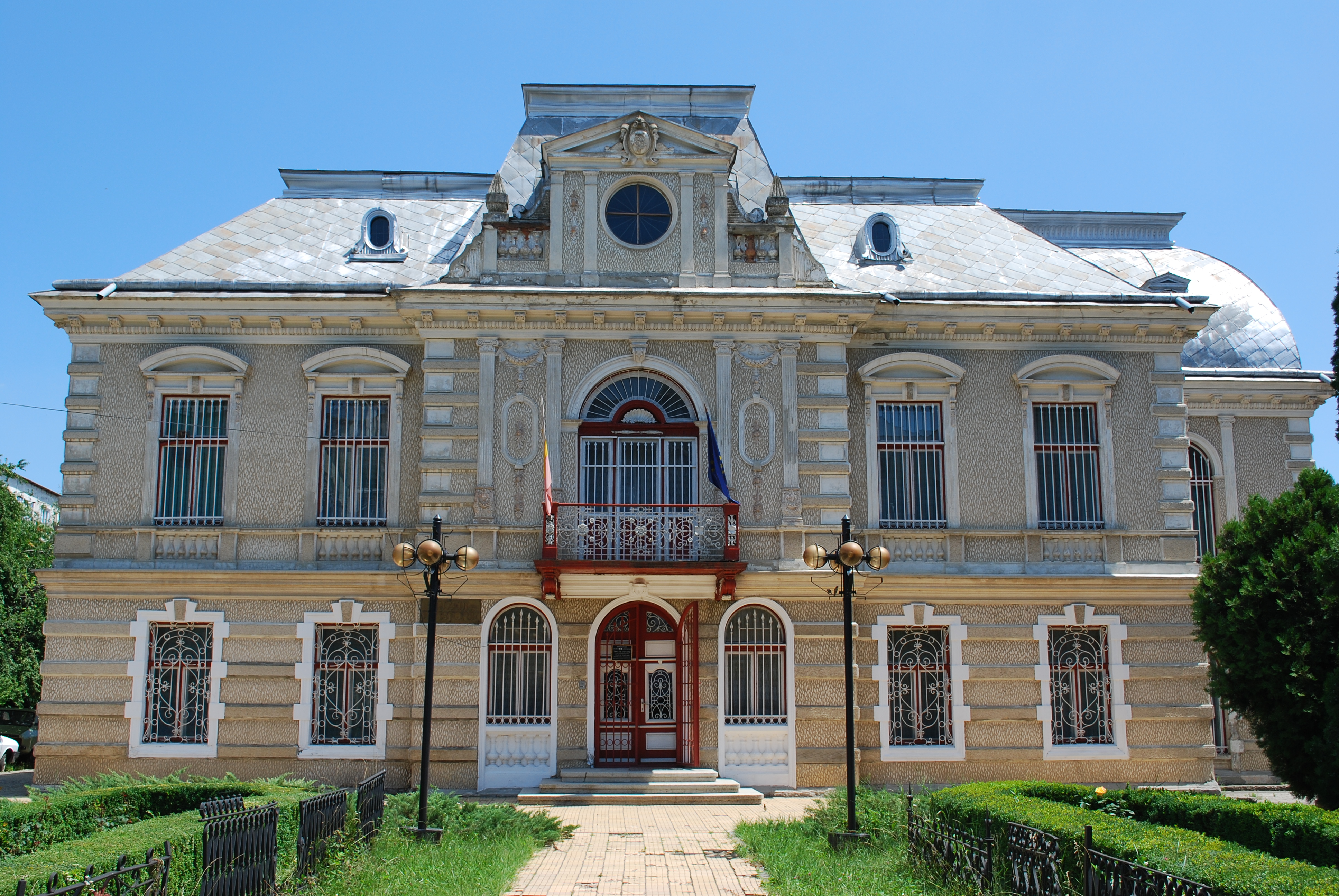
Food processing, textiles, and light manufacturing anchor Roman's economy, though these sectors have contracted since 1990. Most employment is now in small retail, services, and local administration—this isn't a place to land a corporate job. The city functions as a regional commercial hub for surrounding agricultural areas, meaning steady but unglamorous work in trade, logistics, or small business. Remote work is your realistic path here; local wages won't support an expat lifestyle.
A one-bedroom city-center apartment runs $330/month; utilities add another $40–60. Public transport is cheap but infrequent—you'll want a car or bike. Healthcare exists but serious issues require travel to Bacău (40 km) or Iași (80 km). Romanian bureaucracy is painful; residency permits and tax registration involve multiple offices and unclear timelines. English is rare outside young professionals; Romanian is essential for daily life. Winter is harsh and long, with heating costs spiking December–March.
Winters are cold and gray; summers moderate and pleasant. Food is good—fresh produce, decent meat, cheap wine—but restaurant variety is limited. The Orthodox and Armenian churches draw pilgrims; weekends mean hiking nearby Carpathian foothills or day trips to Piatra Neamț. The expat community is tiny, mostly remote workers and retirees. Roman suits people seeking genuine small-town Eastern Europe on $800–1,200/month, not those needing social infrastructure or career growth.
Estimate the cost of moving to Roman, Romania
Get a free moving cost estimate for moving to Roman, Romania. Takes 10 seconds.
How much are you shipping?
When are you moving?
Powered by Sirelo. Free quotes from international movers.
🏚️ Cost of Living
💰 Budgets and Costs
$477/mo, one person, rent included
Selected: budget lifestyle
Roman at the budget tier comes to about $477 a month for one adult, with $157 of that going to rent. Beyond rent the estimate covers $89.00 on groceries, $42.00 on dining out, $26.00 on entertainment and lifestyle and $163 on utilities and connectivity.
Rent
$157/mo
1BR outside the centre
Groceries
$89.00/mo
75% of mid-range grocery spend
Dining out
$42.00/mo
4 inexpensive meals
Entertainment & lifestyle
$26.00/mo
1 cinema trip, 8 cappuccinos
Utilities & connectivity
$163/mo
utilities, mobile, internet
Budgets (excl. rent)
Single person$320/mo
Excludes rent. The total above is all-in, rent included.
$624/mo, one person, rent included
Selected: mid-range lifestyle
Roman at the mid-range tier comes to about $624 a month for one adult, with $157 of that going to rent. Beyond rent the estimate covers $119 on groceries, $105 on dining out, $80.00 on entertainment and lifestyle and $163 on utilities and connectivity.
Rent
$157/mo
1BR outside the centre
Groceries
$119/mo
Staples basket scaled to a full month
Dining out
$105/mo
10 inexpensive meals
Entertainment & lifestyle
$80.00/mo
gym, 2 cinema trips, 12 cappuccinos
Utilities & connectivity
$163/mo
utilities, mobile, internet
Budgets (excl. rent)
Single person$467/mo
Excludes rent. The total above is all-in, rent included.
$814/mo, one person, rent included
Selected: comfortable lifestyle
Roman at the comfortable tier comes to about $814 a month for one adult, with $209 of that going to rent. Beyond rent the estimate covers $167 on groceries, $163 on dining out, $112 on entertainment and lifestyle and $163 on utilities and connectivity.
Rent
$209/mo
1BR in the centre
Groceries
$167/mo
140% of mid-range grocery spend
Dining out
$163/mo
6 inexpensive meals + 6 mid-range meals
Entertainment & lifestyle
$112/mo
gym, 4 cinema trips, 20 cappuccinos
Utilities & connectivity
$163/mo
utilities, mobile, internet
Budgets (excl. rent)
Single person$605/mo
Excludes rent. The total above is all-in, rent included.
Estimates for one adult, built from this city's average prices and the usage shown for each tier. Your spending will differ with how often you eat out and where you live.
A 1BR in the center runs about $209.14/mo. If your income is in another currency, bank FX fees add up. A multi-currency account can cut that cost.
Roman is a genuinely safe small city where expats report feeling comfortable walking at night and moving around freely. The town has a relaxed, provincial atmosphere with low violent crime and a strong community presence. Day-to-day life feels secure; locals are accustomed to foreigners, and the pace is slow enough that suspicious activity stands out. This is one of Romania's safer smaller cities, though it lacks the cosmopolitan infrastructure of Bucharest.
Petty theft and pickpocketing are the main concerns, particularly in crowded markets or on public transport during peak hours. Scams targeting foreigners are rare here but can occur around ATMs or in taxi negotiations—use official taxis or ride-sharing apps. Violent crime is uncommon. Solo female travelers report feeling safe, though standard precautions apply. Avoid displaying expensive jewelry or electronics, and be cautious with strangers offering unsolicited help or deals.
Romania's political environment is stable and EU-aligned; corruption exists but rarely affects daily expat life. Police are generally reliable and responsive, though bureaucratic processes can be slow. Roman's small size means local authorities know the community well. For Americans considering relocation, this city offers genuine safety and affordability, though job opportunities are limited—it's best suited for remote workers or retirees. The main trade-off is isolation from larger expat communities and cultural amenities.
Roman experiences a temperate continental climate with warm summers (June-August) and cold winters (December-February), featuring moderate precipitation year-round and occasional snow in winter months.
💻 Digital Nomad
Avg Internet Speed
76 Mbps
Internet (monthly)
$8/mo
Coworking Availability
Limited
Coworking Spaces Nearby
0
Digital Nomad Score
60/100
Community Notes
Roman has a growing local digital community and is historically rich.
A community workshop and coworking space focused on digital fabrication and technology, located near the city center. It offers a unique environment for those interested in making, prototyping, and collaborating on innovative projects, making it a good option for tech-minded expats.
While not directly in Roman, the Impact Hub in Iasi (approximately 2 hours away) is the closest location of this well-known coworking network. It provides a professional and collaborative environment with various membership options, suitable for remote workers seeking a larger community and structured workspace.
Similar to Impact Hub, Regus does not have a location directly in Roman, but Iasi offers the nearest option. Regus provides serviced offices and coworking spaces with reliable infrastructure and business support services, appealing to expats who value convenience and a professional setting.
See how Roman's digital nomad life compares with Iernut
🧳 Expat Life
English Proficiency
Limited
Expat Community
None
Top Neighborhoods
Centru
Banks Nearby
4
ATMs Nearby
3
Expat Life Notes
A local Romanian town with no international community and minimal amenities for foreigners.
Pros
✓ Extremely cheap
Cons
✗ Language barrier
✗ No expat scene
✗ Limited jobs
🏘️ Neighborhoods in Roman
Areas of Roman that expats often consider.
Conditions can change from one block to the next, and these descriptions are general guides, not safety assessments. Before choosing where to stay or live, check current travel advisories, talk to people who live there, and visit in person if you can.
Centru
Historic heart, vibrant, central
The city center offers easy access to shops, restaurants, and cultural attractions. It's generally walkable, but parking can be challenging. Expect some noise from traffic and nightlife, but also a lively atmosphere.
Zona Gării
Budget-friendly, convenient, transitional
Located near the train station, this area offers more affordable housing options. While convenient for travel, it can be less aesthetically pleasing and may have higher crime rates than other areas. Romanian language skills are essential here.
Cartierul Nicolae Bălcescu
Residential, quiet, family-oriented
A quieter residential area with apartment blocks and houses, ideal for those seeking a peaceful environment. It's further from the city center, requiring reliance on public transport or a car. Expect limited English spoken.
Cartierul Republicii
Mixed residential, local commerce
A mix of older and newer buildings, with local shops and services. It's a good option for experiencing everyday Romanian life. Public transport is available, but a car might be useful for exploring the surrounding region.
13 Decembrie
Modern apartments, growing area
This area features newer apartment buildings and is experiencing some development. It's generally considered safe and offers a mix of residential and commercial spaces. While some English may be spoken, learning Romanian will greatly enhance your experience.
Page 1 of 2
Could living/working in Roman cut years off your work life?
With a 1-bedroom in the center at $209/mo, your FIRE number here might be much lower than you think.
Roman has a population of approximately 48,644 people.
A single person can expect to spend around $523 per month in Roman, including rent. A 1-bedroom apartment in the city center costs approximately $209/month.
The nearest airport to Roman is BCM, approximately 29.8km away.
Roman is considered relatively safe, with a safety index of 73.0. As with any city abroad, expats should research specific neighborhoods before committing to a location.
Roman has an average internet speed of 76 Mbps. It is considered a well-established digital nomad destination.
Yes. One-bedroom apartments in the city center rent for $330/month, with reliable internet available through local providers like Vodafone or Orange. Utilities add $40–60 monthly. Furnished options exist but require patience searching local Facebook groups or asking locals directly.
Significant. English is spoken by few people outside university students and young professionals. You'll need functional Romanian for banking, healthcare, shopping, and bureaucracy. Learning the language before arrival is strongly recommended; apps alone won't cut it.
Roman is very affordable. Expect to pay around $400-$700 USD per month for a comfortable one-bedroom apartment, depending on the neighborhood. Groceries and dining out are also significantly cheaper than in the US; a meal at a local restaurant can cost as little as $10.
While not as prevalent as in larger cities, you can find English-speaking doctors in Roman, particularly at private clinics. The main hospital, Spitalul Municipal de Urgență Roman, may have some staff with English proficiency, but it's best to confirm beforehand. Private insurance is recommended for broader access to English-speaking healthcare providers.
For stays longer than 90 days, you'll need a long-stay visa. The most common options are the D visa for employment, studies, or retirement. The retirement visa requires proof of sufficient income to support yourself. After five years of legal residency, you can apply for permanent residency.
Internet connectivity in Roman is generally reliable, with decent speeds suitable for most remote work tasks. You can expect download speeds of 50-100 Mbps from providers like Orange or Vodafone. Check the specific coverage in your chosen neighborhood, as some areas might have slightly slower speeds.
Roman is a walkable city, and many amenities are within easy reach. Local buses are available, though schedules can be infrequent. Taxis are affordable and readily available. For longer distances, consider using ride-sharing apps or the train station for connections to other cities.
Roman has a continental climate with hot summers and cold winters. Expect temperatures to range from -5°C (23°F) in winter to 30°C (86°F) in summer. Spring and autumn are mild and pleasant. Be prepared for snow in the winter months.
Roman is generally a safe city with low crime rates. However, like any city, it's wise to be cautious in crowded areas, especially at night. Some of the more peripheral neighborhoods might feel less safe than the central areas, but overall, violent crime is rare.
Opening a bank account in Roman requires a residency permit or long-stay visa. You'll typically need your passport, proof of address, and residency documents. Banks like Banca Transilvania and BCR are popular choices. Be prepared for some paperwork and potential language barriers.
As a US citizen, you're still required to file US taxes even when living abroad. The Foreign Earned Income Exclusion (FEIE) allows you to exclude a certain amount of foreign-earned income from US taxes. You may also need to report foreign bank accounts if the total value exceeds $10,000 (FBAR).
The expat community in Roman is relatively small compared to larger Romanian cities like Bucharest or Cluj-Napoca. Online forums and Facebook groups for expats in Romania are good places to connect with others. Consider joining local cultural events to meet people.
While English isn't widely spoken, especially among older generations, you can manage daily life with some basic Romanian phrases and translation apps. Younger people are more likely to have some English proficiency. Learning some Romanian will significantly enhance your experience and integration.
Yes, Roman is very viable for early retirement on a $2000 USD per month budget. You can live comfortably, covering rent, utilities, groceries, and some leisure activities. This budget allows for a higher quality of life than in many Western countries.
Be sure to try 'sarmale' (cabbage rolls filled with meat and rice), 'mămăligă' (polenta), 'ciorbă de burtă' (tripe soup), and 'mici' (grilled minced meat rolls). Many restaurants offer traditional Romanian cuisine at affordable prices.
Cost-of-living and visa updates for Roman and the rest of Romania. Free with RA Postcards.
By submitting your email address, you will receive a free subscription to RA Postcards and special offers from Rewire Abroad and our affiliates. You can unsubscribe at any time, and we encourage you to read more about our Privacy Policy.