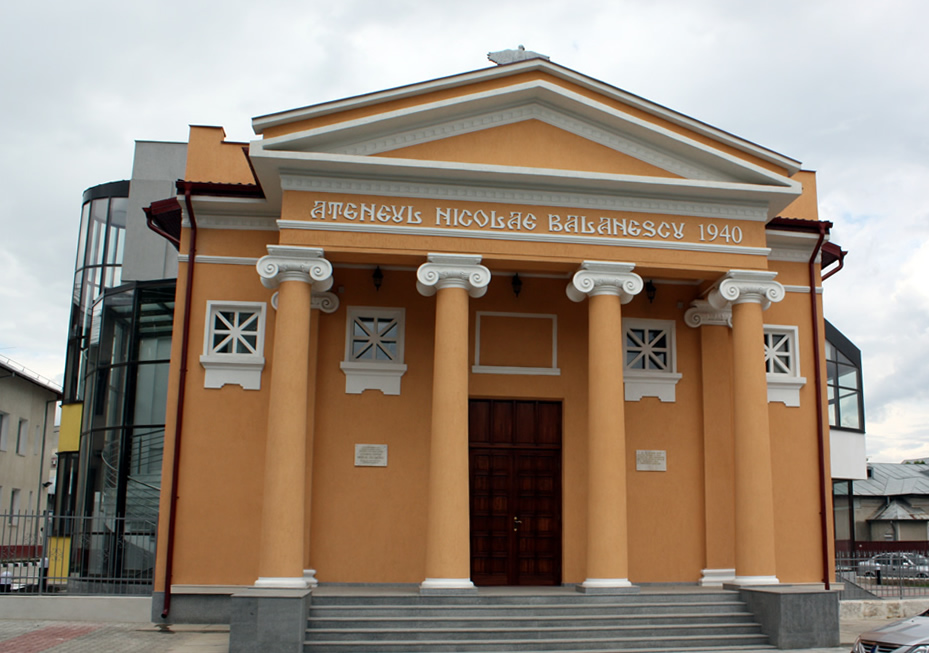
Giurgiu sits in southern Romania on the left bank of the Danube, a small city of 69 thousand people at just 25 meters above sea level, where the climate is continental and the time zone is Europe/Bucharest. The river defines the place, and so does the border: across the water lies Bulgaria, which gives this flat, unhurried city a frontier character that larger Romanian hubs lack. Expats who settle here tend to cluster in Centru, the central neighborhood that puts daily errands, cafes, and the main streets within walking distance. The expat community is very few in number, and English proficiency is limited, so newcomers should expect to learn some Romanian and to build a social circle slowly rather than step into a ready-made international scene.
The money math is the main draw. A one-bedroom apartment in the city center rents for $320/mo, while the same outside the center drops to $240/mo. Three-bedroom places run $580/mo in the center and $420/mo outside it. Utilities average $178/mo, internet is $9/mo, and a mobile phone plan is $8/mo, with average internet speeds around 56 Mbps. A monthly public transport pass costs $52/mo. For a single adult, monthly costs excluding rent come to about $480/mo, and a family of four spends roughly $1,600/mo excluding rent. Budget-tier living for one adult, rent included, lands near $900/mo, mid-range near $1,350/mo, and a comfortable tier near $1,900/mo. The cost of living index is 34/100 against New York City at 100. Eating out stays cheap: an inexpensive restaurant meal is $11 per person, a three-course mid-range meal for two is $52, and a cappuccino is $4. The catch is local income. Average monthly net salary is $905/mo, which means a local worker and a remote earner live in two different versions of the same city.
Safety is one of Giurgiu's stronger cards. The safety index is 70/100 and the crime index is 28/100, with lower crime numbers meaning a safer feel on the street. Air quality sits at 52 on the index, where lower is better, so the air is middling rather than pristine. Healthcare quality is rated fair, which is workable for routine care and prescriptions but worth planning around for anything serious; many residents keep a budget for private consultations or travel to Bucharest for specialist treatment. The overall expat score is 80/100, and the FIRE score also reaches 80/100, numbers that reflect how far a dollar stretches here rather than any kind of cosmopolitan buzz.
For stays beyond tourism, the Romania Digital Nomad Visa requires a minimum monthly income of $3,700/mo, a threshold that sits well above the local average net salary of $905/mo and firmly targets remote workers paid from abroad. Arrival is straightforward through ROU, the nearest airport at 13 km away. The digital nomad score is 60/100 and the retiree score is 53/100, so this is a place that rewards a specific kind of settler: the remote professional or early retiree who wants low rent, quiet streets, and a Danube view, and who does not need a large expat crowd or a fast social calendar to feel at home.