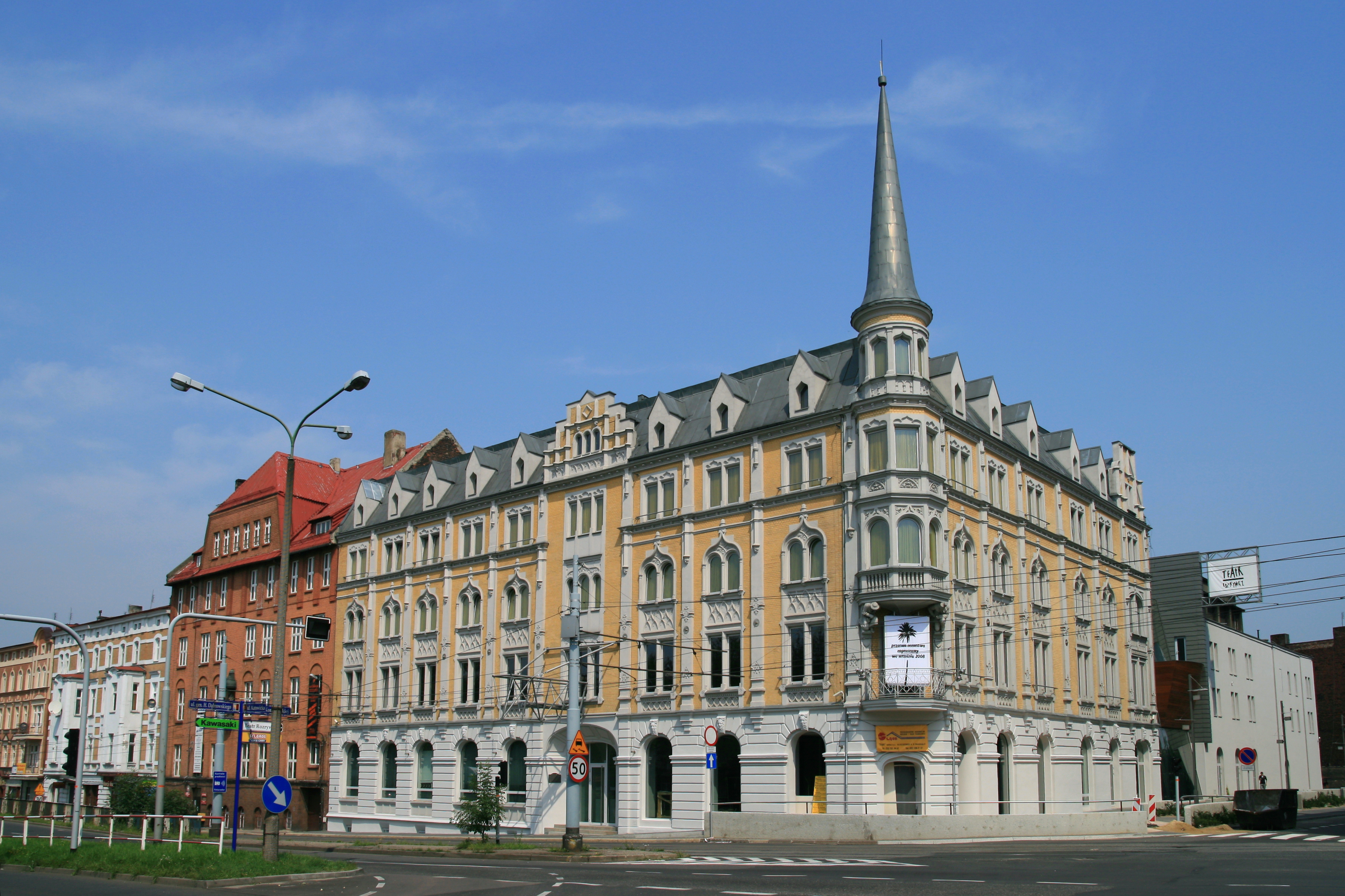
Heavy industry still drives much of the local economy, though the coal mines that built this place have largely closed. Major employers include ArcelorMittal's steel operations, logistics companies serving the broader Katowice metro area, and a growing services sector. The job market leans heavily toward manufacturing, warehousing, and blue-collar work, with some white-collar opportunities in the expanding retail and business services. English-speaking remote workers will find limited local networking but can tap into the broader Silesian job market.
One-bedroom apartments in the center run around $480 monthly, significantly cheaper than Warsaw or Krakow. Public transport connects efficiently to Katowice and the broader metro area for under $30/month, though you'll need basic Polish for most interactions outside tourist areas. Healthcare operates through the national system — register with NFZ for coverage, expect some bureaucratic paperwork but generally functional service. Banking and municipal services require patience and Polish language skills, though younger staff often speak English.
Winters hit hard with temperatures regularly below freezing, while summers stay pleasantly mild. The food scene centers on traditional Polish fare and basic international options — don't expect culinary diversity. Weekends revolve around Silesian Park, football matches at the historic stadium, or day trips to Krakow (45 minutes by train). The expat community is minimal, mostly consisting of a few international business professionals. This city works best for budget-conscious individuals who value industrial authenticity over cosmopolitan amenities.