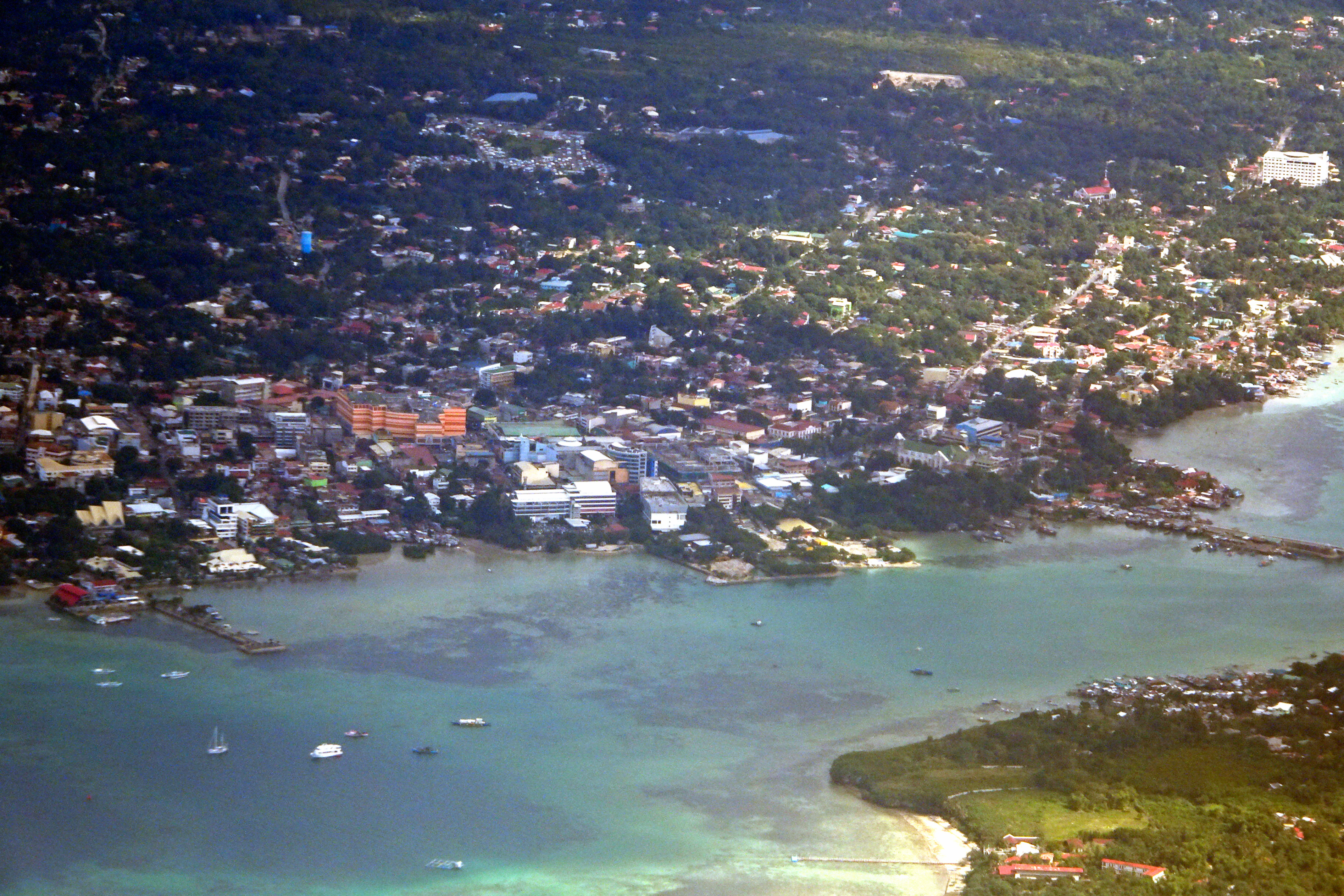
Tourism drives most economic activity here, with hotels, restaurants, and tour operators employing locals who guide visitors to the Chocolate Hills and tarsier sanctuaries. The port handles cargo and passenger ferries to Cebu, creating jobs in logistics and transportation. Fishing and agriculture provide steady work, though wages remain low — expect $200-400 monthly salaries for most positions. Government jobs at the provincial capitol offer better pay but require Filipino citizenship. Remote work is your best bet as a foreigner, since work permits are difficult and local employment options are extremely limited.
One-bedroom apartments in the center cost around $86 monthly, though quality varies wildly — many lack consistent water pressure or air conditioning. Tricycles charge ₱10-15 for short rides, while motorcycles rent for ₱300-500 daily. The provincial hospital handles basic care, but serious medical issues require evacuation to Cebu City. Most locals speak decent English, making daily interactions manageable. Banking and internet can be frustratingly slow, and power outages happen weekly during typhoon season.
Year-round temperatures hover around 80-85°F with brutal humidity and heavy rains June through November. Fresh seafood costs almost nothing at the public market, and you'll find decent Filipino-Chinese restaurants downtown. The expat community is tiny — maybe 50 foreigners total, mostly retirees and dive instructors from nearby Panglao. Weekends mean island hopping, visiting waterfalls, or drinking San Miguel at beachside bars. This works for budget-conscious retirees who want tropical living without the Manila chaos, but digital nomads will find the infrastructure limiting.